


Nestled deep within the lush, rolling mountains of northeastern Jiangxi province in China, far from the neon glow of its bustling megacities, lies a place that seems conjured from the pages of an ancient legend. This is Wangxian Valley, a name that translates poetically to “Gazing at Immortals Valley.” More than just a scenic spot, it is a breathtaking testament to nature’s raw artistry and human resilience, a landscape where myth, history, and restored beauty intertwine to create an experience of serene wonder. For the traveler seeking to understand a different layer of China—one of quiet majesty, folklore, and harmonious reclamation—Wangxian Valley offers a profound and unforgettable journey.
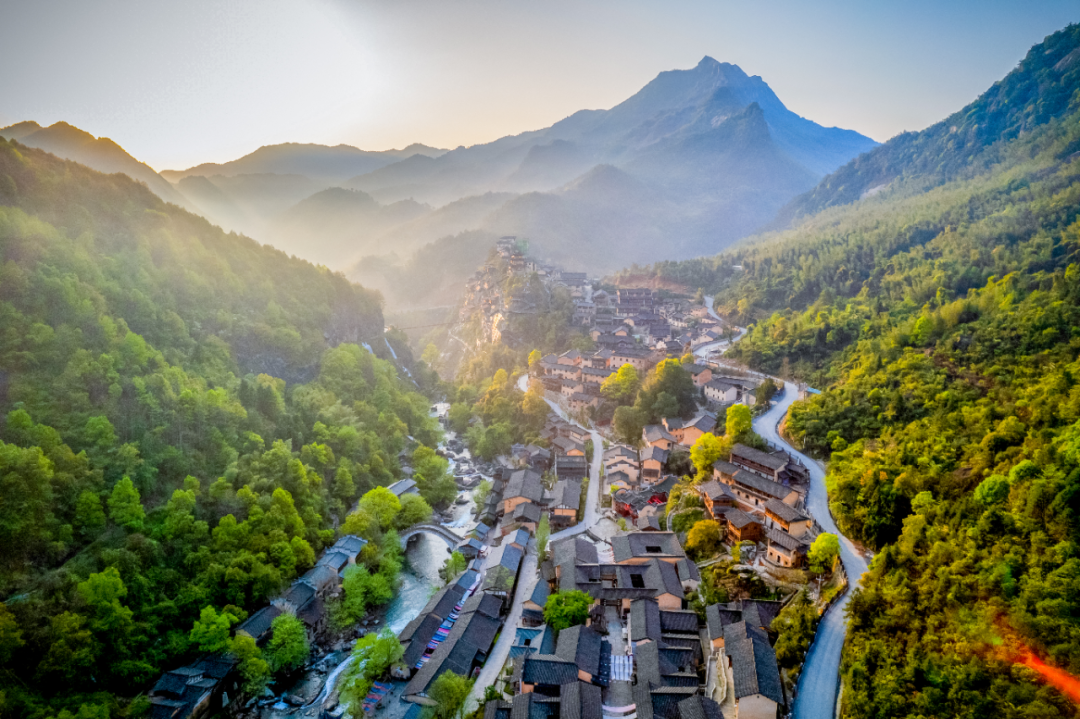
The very name of the valley whispers of its mythical origins. Local tales, passed down through generations, speak of a love story between a humble woodcutter and a celestial fairy who descended to the mortal world. Enchanted by the valley’s ethereal beauty, she chose to stay, and the couple lived in bliss among its peaks and streams. Eventually, forced to return to the heavens, she left her mortal lover behind. It is said he spent the rest of his days gazing upward from the cliffs, hoping for a glimpse of his immortal beloved, thus giving the valley its evocative name. This folklore is not mere fancy; it is a narrative deeply embedded in the Chinese cultural consciousness, reflecting a traditional reverence for landscapes that blur the line between earth and paradise. Wangxian Valley, with its mist-shrouded cliffs and waterfalls cascading into emerald pools, perfectly embodies this ideal of a terrestrial fairyland.
Geographically, the valley is a masterpiece of dramatic geological sculpture. It is carved into the heart of the magnificent Danxia landform, characterized by its striking reddish sandstone cliffs. Over millions of years, water erosion has acted as a patient sculptor, cutting a deep, narrow gorge through the rock. The result is a world of vertical astonishment. Sheer cliffs, displaying bands of crimson, ochre, and cream, rise hundreds of feet on either side, their tops often lost in a soft, drifting mist. At their feet, the clear waters of the Tiao River, more a vigorous stream here, tumble over boulders and wind through the gorge’s floor, its sound a constant, soothing murmur that fills the air. Lush subtropical vegetation clings tenaciously to every available crevice—ferns, mosses, and broad-leaved trees creating a vibrant tapestry of green against the red rock. Walking into the gorge is akin to stepping into a natural cathedral, where light filters down in dynamic shafts, illuminating different facets of the rock face throughout the day, from the warm golden glow of morning to the deep, mysterious shadows of late afternoon.
Yet, Wangxian Valley’s story is not solely one of nature’s handiwork. For centuries, it has also been a place of human habitation and industry, the evidence of which adds a poignant historical layer to its beauty. The very cliffs that provide spectacle also provided shelter and opportunity. In the late Qing Dynasty and early Republic of China period, local people, demonstrating remarkable ingenuity and adaptability, constructed dwellings and workshops directly into the steep canyon walls. These were not simple caves, but sophisticated multi-story wooden structures, built on stilts and anchored to the rock face, appearing to defy gravity as they clung to the precipices. This unique architectural form, born of necessity, turned the valley into a thriving hub for artisans, particularly stone processors and woodworkers. For a time, the gorge echoed not just with the sound of water, but with the chips of hammers and the buzz of saws. However, with economic shifts and rural migration in the later 20th century, this cliffside community gradually faded, and the once-bustling structures fell into silence and disrepair, slowly being reclaimed by the very greenery they overlooked.
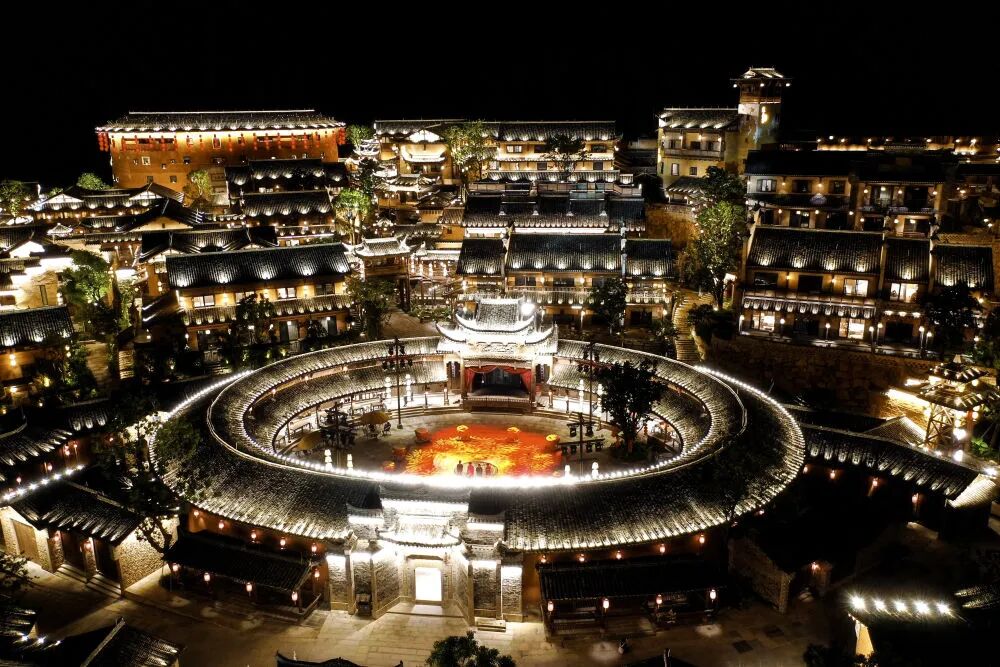
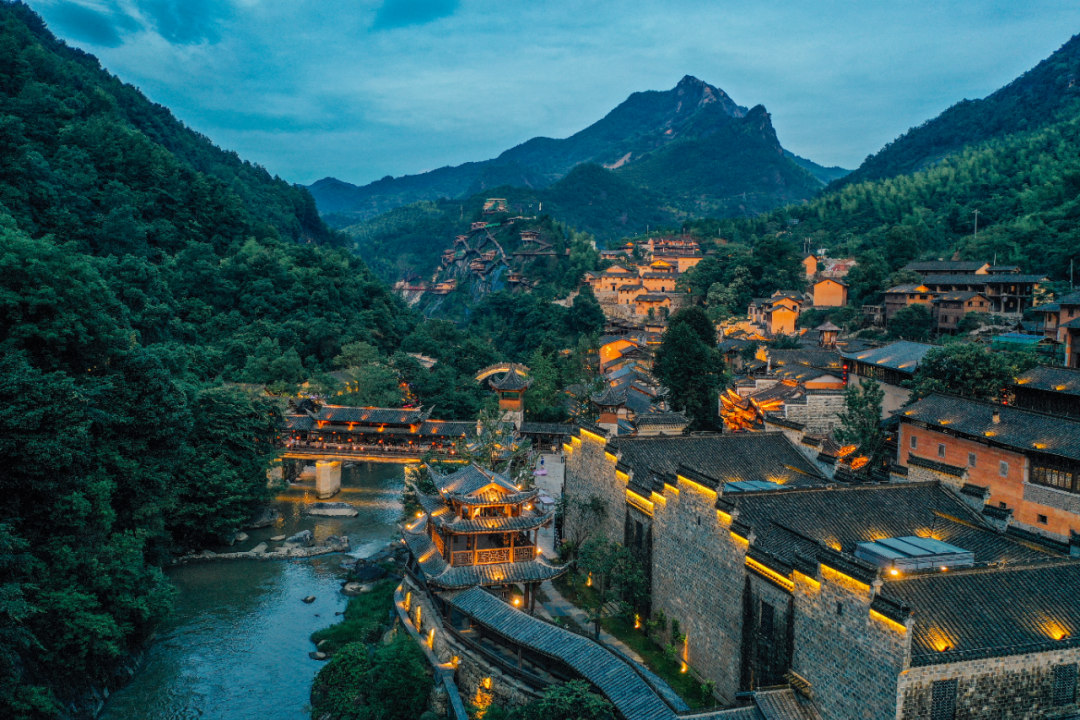
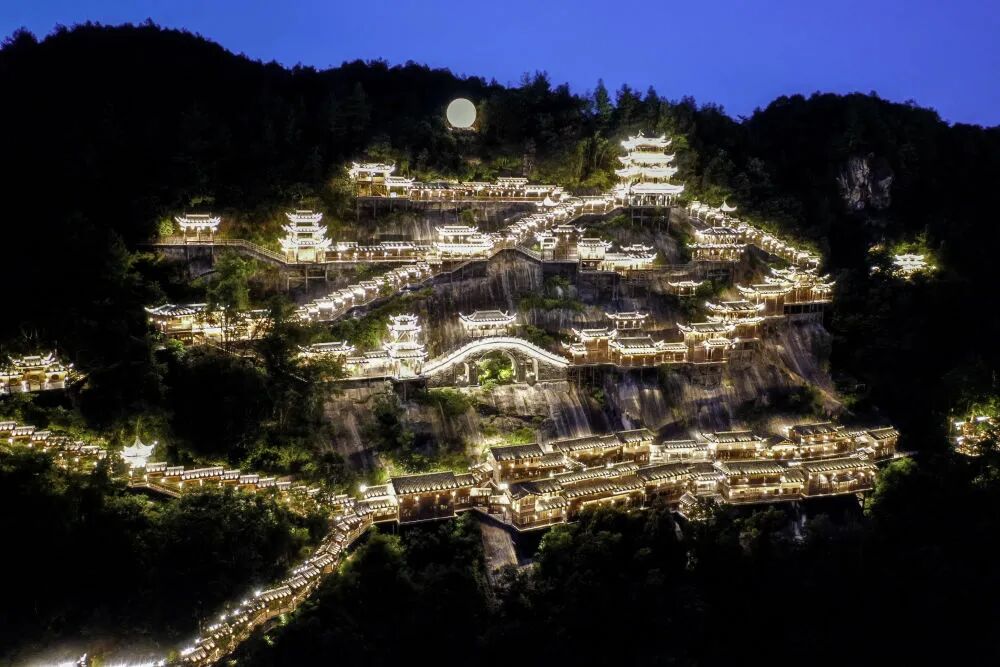
The modern chapter of Wangxian Valley is one of remarkable revival and thoughtful restoration. Recognizing the unique cultural and natural value of the site, a visionary project was undertaken not to create a generic tourist attraction, but to meticulously resurrect the valley’s historical character. The derelict cliff dwellings were carefully rebuilt using traditional methods and materials, their weathered wood and grey-tiled roofs restored to recreate the awe-inspiring panorama of a village suspended in mid-air. Today, these structures no longer house industrial workshops but have been transformed into charming guesthouses, teahouses, quiet libraries, and artisan shops. To stay in one of these cliffside lodgings is a unique experience—waking up to the sound of waterfalls, opening a window to a sheer drop adorned with greenery, and feeling as though one is floating within the landscape itself. The restoration was executed with a deep sensitivity to the environment; new pathways and viewing platforms blend seamlessly with the rock, and the natural flow of the water and growth of the plants were meticulously preserved. The project stands as a compelling model for cultural heritage and eco-tourism, demonstrating how a historical site can be brought back to life without sacrificing its soul or ecological integrity.
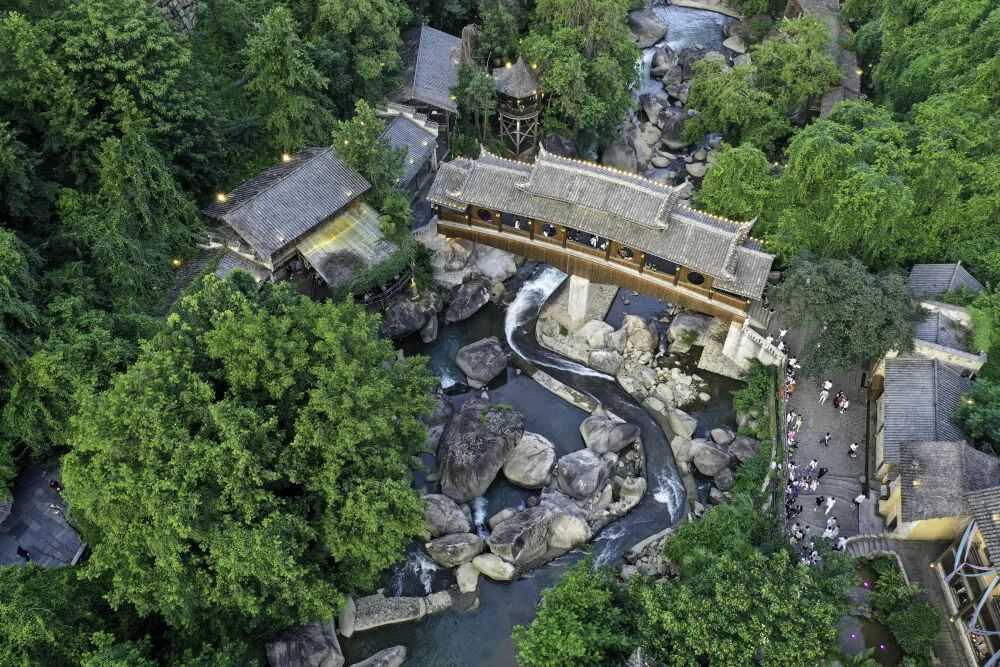
Exploring Wangxian Valley is an immersive sensory experience that unfolds at a walking pace. The main route follows the winding river through the gorge, crossing it frequently on a series of elegant bridges—some solid stone arch bridges whispering of antiquity, others thrilling suspension bridges made of wood and cable that sway gently high above the roaring water, offering heart-stopping views straight down the gorge. Each turn reveals a new vignette: a waterfall, like Baihe (White Crane) Fall, plunging in a silvery ribbon down a mossy cliff; a quiet pool so clear and green it seems filled with liquid jade; a narrow slice of sky framed by towering rock walls. The microclimate within the gorge creates its own weather, with mists forming and dissipating magically, adding an ever-changing, dreamlike quality to the scenery.

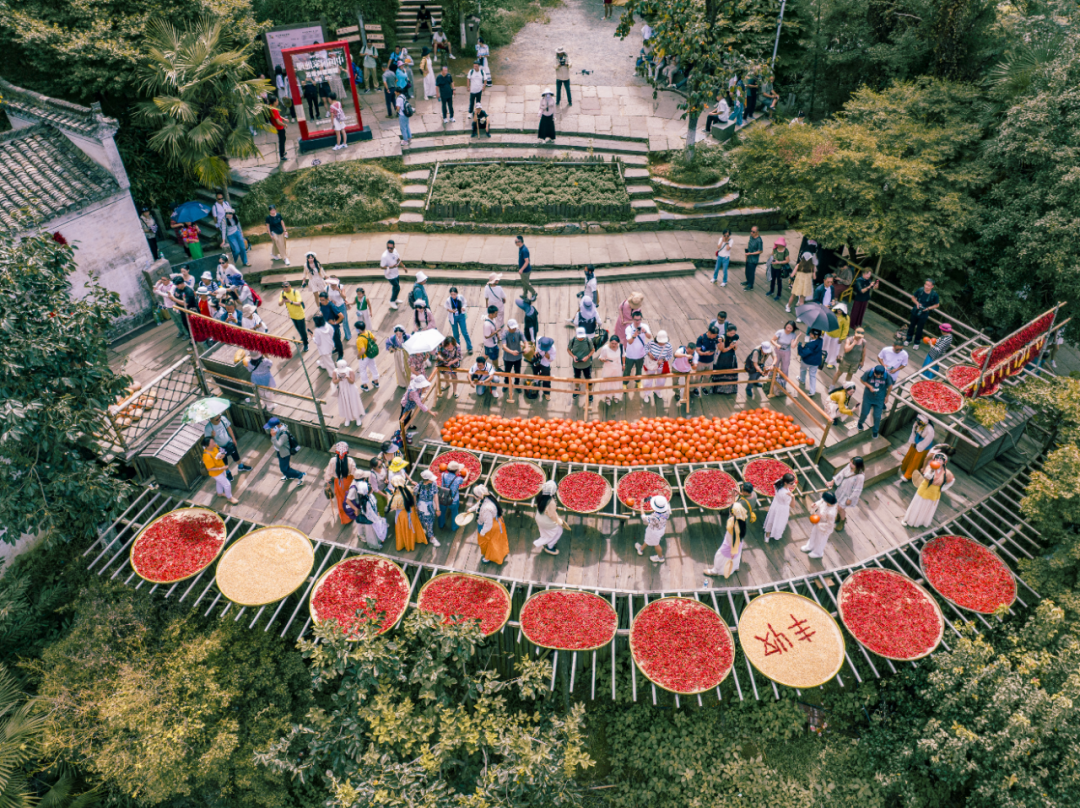
Beyond the natural splendor, the valley pulses with a gentle, curated cultural life that feels authentic rather than staged. In the restored alleys and plazas, visitors might encounter local artisans practicing traditional crafts, such as bamboo weaving or making zongzi (sticky rice dumplings). Small, independent shops sell locally produced honey, tea, and handicrafts, offering a tangible connection to the region’s sustenance. As dusk falls, the atmosphere undergoes a magical transformation. Thousands of lights, warm and golden, are switched on, illuminating the cliff dwellings from within and without. The entire canyon becomes a cascading tapestry of light, the buildings glittering like constellations against the darkening rock face. This nightly spectacle is both dramatic and deeply peaceful, highlighting the human element of the valley in harmony with the imposing natural world. It is a sight that truly justifies the valley’s name—a man-made constellation gazing back at the heavens.
Wangxian Valley, therefore, represents more than a destination; it represents an idea. It is a powerful reminder of the enduring human spirit to adapt to and beautify even the most challenging environments. It showcases a model of development where progress is measured not by erasure, but by respectful revitalization. For the foreign visitor, it provides a window into a China that is often overshadowed by its modern metropolises—a China of profound natural beauty, rich folklore, and resilient local communities. It is a place where one can hike through a geological wonder, sleep in a historical cliff house, listen to ancient legends, and witness a successful story of cultural preservation, all within the span of a single, deeply affecting visit. In the end, Wangxian Valley does not demand that you gaze at immortals; instead, it offers the rare gift of making you feel, for a moment, that you might be walking among them, in a fairy tale thoughtfully and beautifully brought back to life.

