


Rising abruptly from the southern banks of the Yangtze River and cradled by the vast expanse of Poyang Lake, Lushan Mountain in Jiujiang is far more than a geographical marvel. It is a living tapestry woven from breathtaking natural beauty, profound spiritual heritage, and a rich vein of Chinese literary and political history. For over two millennia, it has captivated emperors, poets, monks, and travelers, earning its title as a UNESCO World Heritage Site and a place where the soul of China feels palpably close.
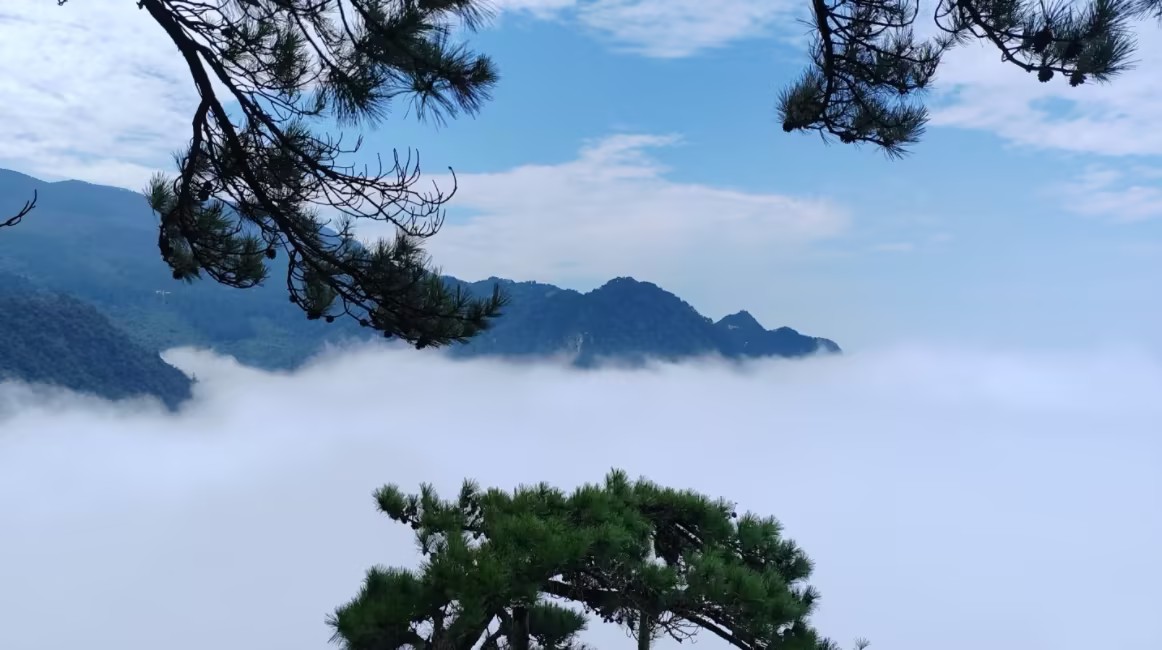
Its natural landscape is one of dramatic, mist-shrouded elegance. Jagged peaks, like the famed Five Old Men Peaks, pierce through rolling seas of clouds that constantly transform the scenery into a monochrome ink wash painting. Over 200 days of mist and fog annually lend Lushan an ethereal, almost mystical quality. This moisture feeds dozens of cascading waterfalls, with Sandie Spring Waterfall being the most celebrated—a three-tiered cascade immortalized by the Tang Dynasty poet Li Bai. Dense forests of pine and bamboo cloak the slopes, leading to serene valleys and over 600 historic villas nestled amidst the greenery, remnants of its time as a summer retreat for early 20th-century diplomats and missionaries.
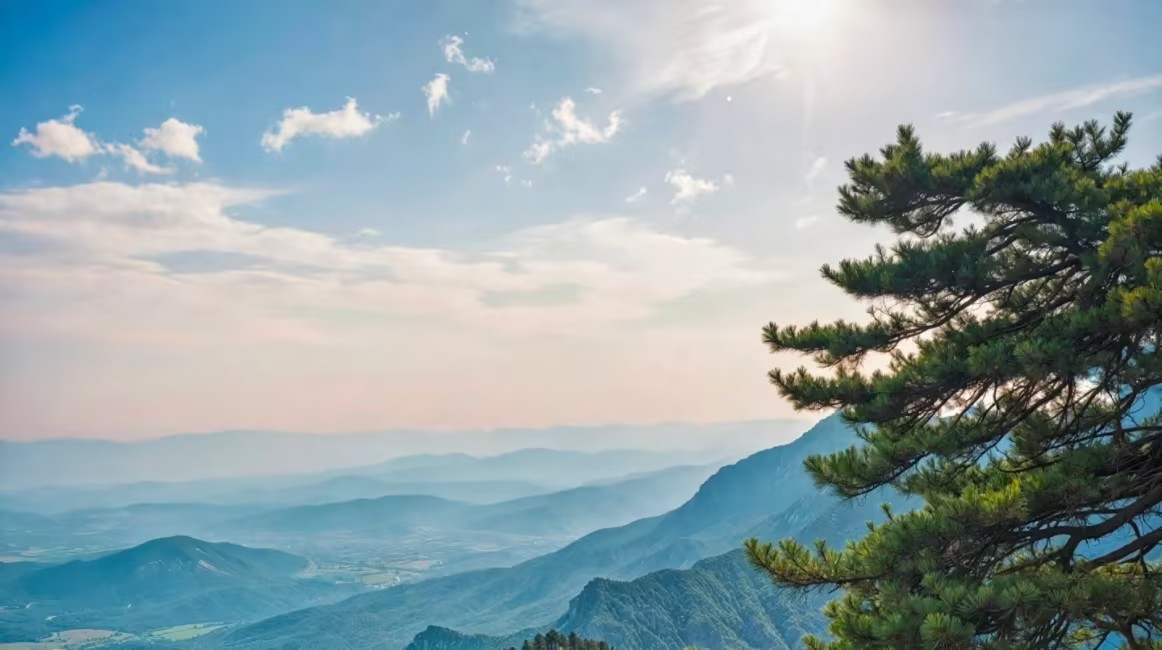
Lushan’s true essence lies in its profound intersection of China’s major philosophical and spiritual traditions. For centuries, it has been a sacred Buddhist and Taoist mountain. The, serene Donglin Temple, founded in 386 AD, is the birthplace of the Pure Land Buddhism sect, its chants echoing through the pine-scented air. Not far away, the simple thatched hut of Bai Juyi, a revered Tang poet, speaks to the Confucian ideal of scholarly contemplation in nature. Perhaps the most iconic symbol of this fusion is the White Deer Grotto Academy. Rejuvenated by the Neo-Confucian master Zhu Xi in the 12th century, it became one of China’s foremost academies, where the pursuit of knowledge harmonized with the mountain's tranquil spirit.
This natural grandeur has inspired an unparalleled stream of literary output. Over 16,000 poems have been composed about Lushan, turning its vistas into cornerstones of Chinese cultural imagination. Poets like Li Bai and Su Shi sought refuge and inspiration here, their verses forever linking the mountain’s clouds, waterfalls, and peaks with themes of transcendence, solitude, and the sublime power of nature. In the modern era, Lushan witnessed another layer of history, serving as a significant site for political meetings during the 20th century, adding a complex, contemporary chapter to its long narrative.
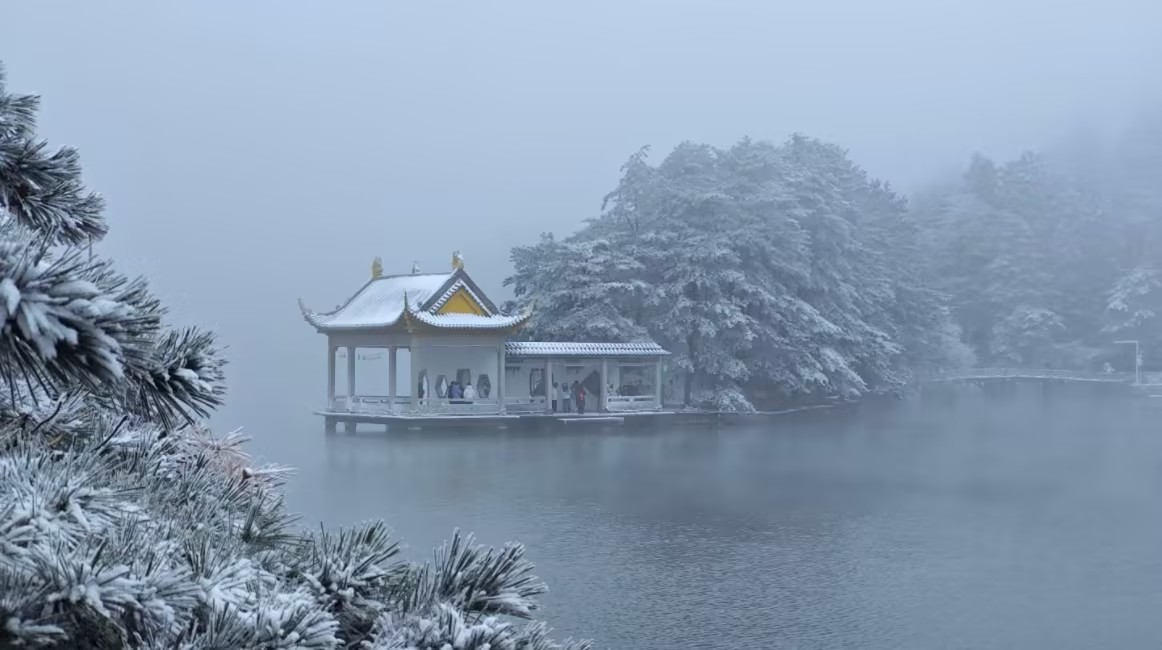
A journey to Lushan offers a passage through these multiple dimensions. The historic Mountain Center Town, Guling, serves as a base with its charming, cobbled streets and European-style architecture. From there, winding paths lead to breathtaking viewpoints like Hanyang Peak for sunrise, or to the stunning sight of the cliff-face Immortal’s Cave perched above the clouds. Each season unveils a different character: vibrant greens and azaleas in spring, a cool, misty haven in summer, fiery maple leaves in autumn, and a breathtaking, silent world of frost and rime ice in winter.
Ultimately, Lushan Mountain is a sanctuary for the senses and the intellect. It is a place to hike misty trails, stand before thundering waterfalls, and trace the calligraphy on ancient stele. It is where one can feel the same awe that stirred the hearts of ancient poets and scholars. To visit Lushan is not merely to see a famous mountain; it is to walk through the pages of Chinese history, poetry, and philosophy, all cradled in the ever-shifting, timeless embrace of the clouds.

