


The Preserved Fragrance in Winter Breeze
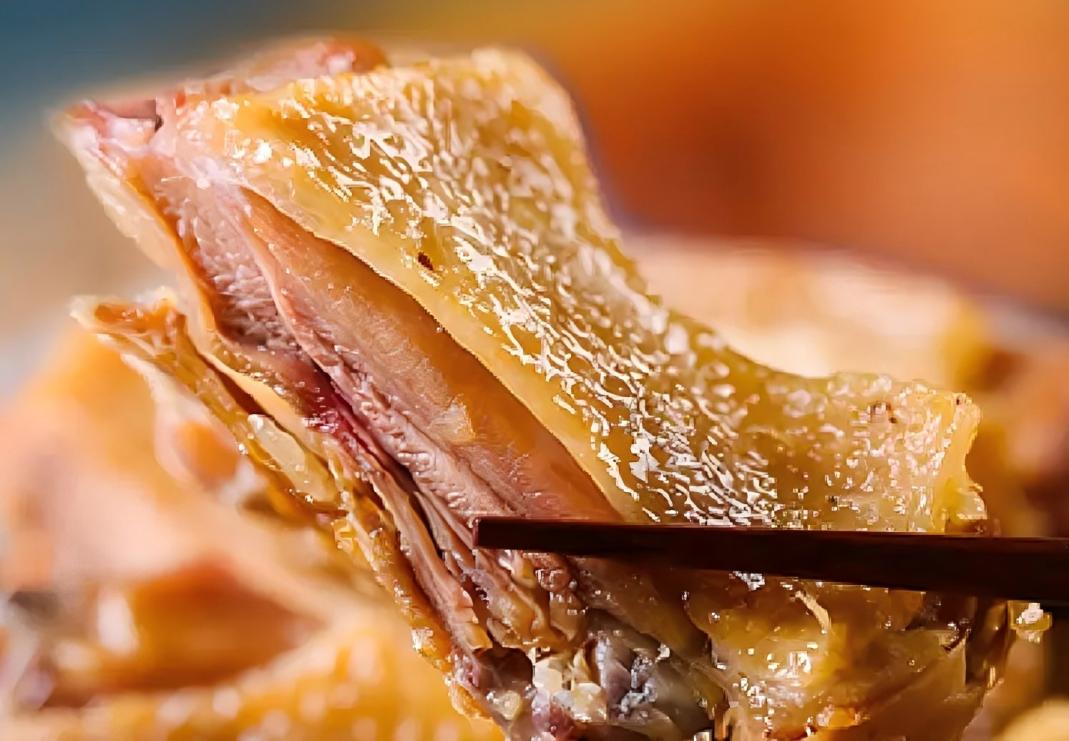
In the winter of the Jingchu region, there is always a fragrance drifting with the cold wind——the unique preserved aroma of air-dried chicken, rich and long-lasting, tempting the taste buds. Known as "Uncle Liu's Wife's Chicken", this traditional delicacy has traveled from military rations during the Three Kingdoms period to today's dining tables. After more than 1,800 years of precipitation, it has not only become a culinary symbol of Shayang County, Jingmen, Hubei, but also carries the Chinese wisdom of food preservation and the longing for the taste of reunion. As a classic preserved meat product in Hubei cuisine, air-dried chicken occupies an irreplaceable position among numerous delicacies with its unique flavor of "rich fragrance, tenderness and non-greasiness".
A Warm Delicacy in the Turbulent Times of the Three Kingdoms
The origin of air-dried chicken hides a warm story amidst the turmoil of the Three Kingdoms. According to legend, at the end of the Eastern Han Dynasty, to form an alliance with Liu Bei against Cao Cao, Sun Quan married his younger sister Sun Shangxiang to Liu Bei and settled them in Shilipu outside Jingzhou City (now in Shayang County, Jingmen, Hubei). Liu Bei loved eating chicken, and to satisfy her husband's preference and solve the problem of food preservation during military campaigns, Sun Shangxiang developed a unique chicken curing method in the cold winter. She selected free-range local chickens, evenly coated them with spice-fried salt, and hung them in a well-ventilated place to air-dry naturally. The resulting chicken not only had a unique flavor but was also easy to carry and store, making it an excellent military ration for Liu Bei's campaigns. When this love-filled delicacy became known to the people, it was named "Uncle Liu's Wife's Chicken", and its production techniques have been passed down from generation to generation among the people, becoming a unique culinary memory of the Jianghan Plain.
Natural Rhythms and Artisan Persistence
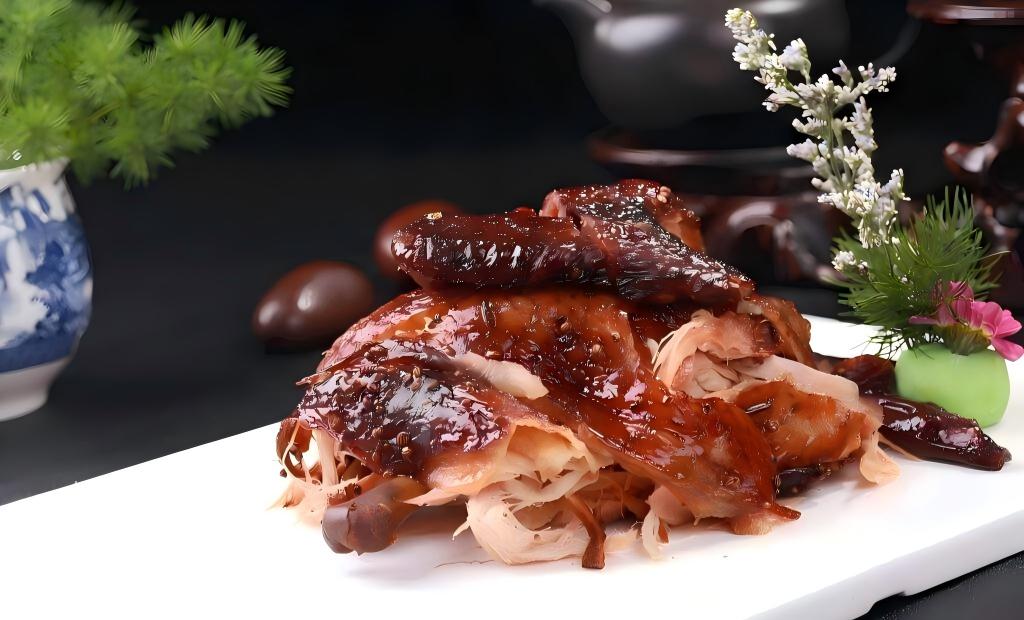
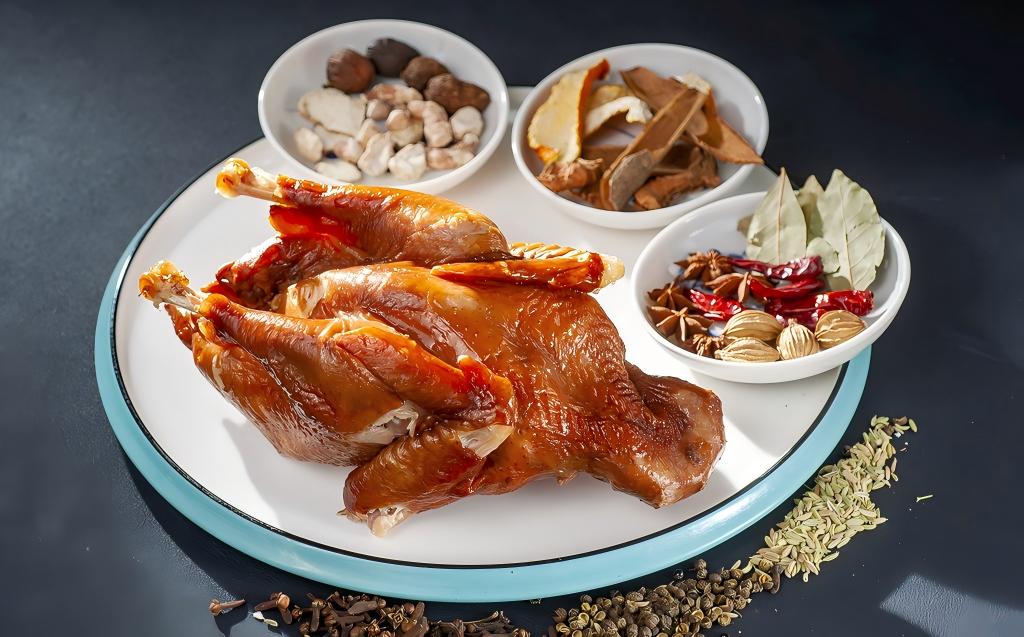
An authentic air-dried chicken is always the joint creation of natural rhythms and artisan dedication. The reason why Shilipu Town, Shayang County, can become the "Hometown of Chinese Air-Dried Chicken" lies in its unique natural conditions——dry and rainless winters with mild and constant winds provide the optimal environment for the natural air-drying of chicken. The persistence in production techniques has ensured that this delicacy has remained unchanged for thousands of years. The production of authentic air-dried chicken follows strict standards: the raw material must be local free-range chickens that have been raised for about a year and weigh around 2 kilograms. These chickens are active, with firm and plump meat, laying the foundation for the flavor. The curing process is particularly crucial. Experienced craftsmen stir-fry Sichuan peppercorns, star anise, cinnamon and other spices with coarse salt in a pot. After the spice aroma is fully released, they evenly coat the cleaned chicken with the hot salt mixture and rub it repeatedly by hand to ensure the salt penetrates every fiber. Then, the chicken is sealed and cured for more than 24 hours to allow the spices and salt to fully infuse the meat. After curing, the chicken is hung in a well-ventilated and sunny place to dehydrate and air-dry slowly with natural wind. This process takes several days until the chicken skin turns an attractive golden yellow, the meat becomes firm and elastic, and the unique preserved fragrance gradually forms over time. In 2024, the production technique of "Shili Air-Dried Chicken" was included in the 7th batch of representative items of Hubei Provincial Intangible Cultural Heritage, officially recognizing and protecting this ancient craft.
Steaming to Preserve the Original Flavor
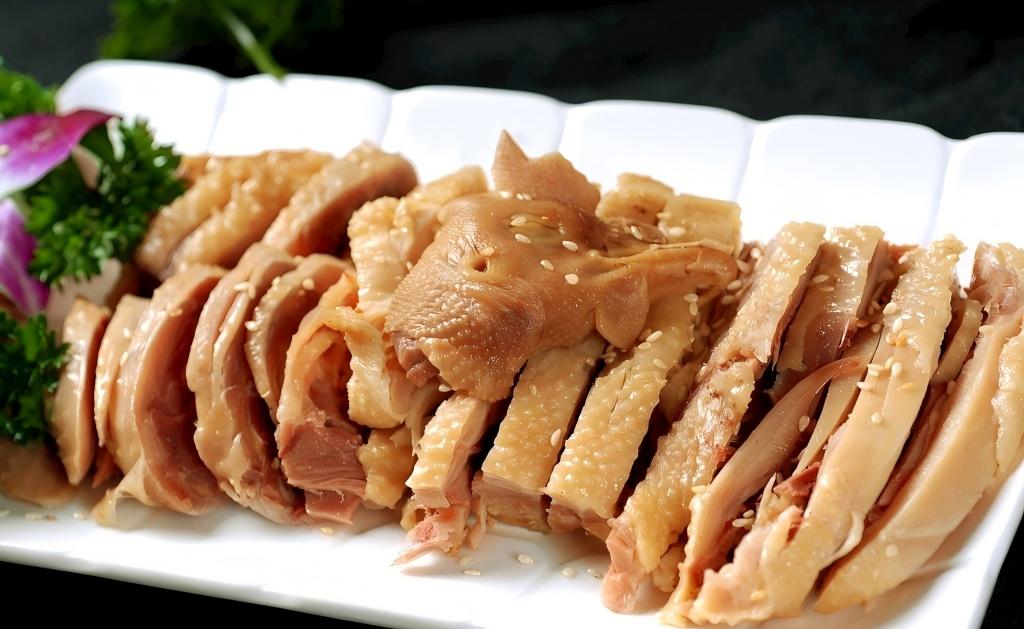
Air-dried chicken can be enjoyed in various ways, each unlocking different flavor layers, and steaming is undoubtedly the classic method to preserve its original taste. The soaking process before cooking is crucial: the air-dried chicken needs to be soaked in cold or warm water for 4 to 8 hours, changing the water once or twice in between. This not only removes excess salt but also softens the dried meat. After soaking and cleaning, the whole chicken or cut pieces are placed in a steaming plate with a few slices of ginger to remove fishiness and enhance aroma. It is steamed after the water boils——15 minutes in a pressure cooker after the steam rises, or about 40 minutes in a regular steamer. After steaming, let it cool slightly, then tear it into shreds by hand, which is the most recommended way by locals. This method maximizes the firmness and chewiness of the chicken, with a rich, salty and mellow taste that becomes more flavorful as you chew. If you find the taste too salty, pairing it with a small dish of sweet and sour sauce or light soy sauce mixed with sesame oil can balance the flavor and make the taste more mild and smooth.
Diverse Cooking Methods for Enhanced Flavors
In addition to steaming, air-dried chicken can also be transformed into other delicious dishes through braising, pan-frying, soup making and other methods. Braised air-dried chicken involves stir-frying the soaked chicken pieces until slightly golden on the surface, then adding ginger, garlic, star anise, rock sugar and other seasonings and simmering for half an hour. The soup is rich and mellow, and the chicken is tender and flavorful, making it an excellent choice with rice. Pan-frying brings out a crispy aroma: fry slowly over low heat until golden on both sides, then sprinkle with salt and pepper or chili powder. The outer skin is crispy while the inside is chewy, perfect for pairing with wine. In cold winter, simmering air-dried chicken with shiitake mushrooms and red dates for 1 to 2 hours results in a savory and mellow soup, with the chicken falling off the bones tenderly. A bowl of this soup warms the whole body. More ingeniously, the steamed air-dried chicken can be torn into shreds, mixed with green and red pepper shreds and coriander, and drizzled with a little chili oil to make a refreshing and appetizing cold dish, which is popular at both family gatherings and friend get-togethers.
From a Symbol of Homesickness to an Industrial Card
Today, this air-dried chicken with a thousand-year history has long transcended its significance as food itself. For people in Jingmen, the air-dried chickens hanging under the eaves of every household in winter are the most intuitive symbol of the New Year flavor; the plate of steamed air-dried chicken on the New Year's Eve dinner table is the warmest footnote to reunion; the air-dried chicken gift boxes brought when visiting relatives and friends are the most sincere expressions of affection. For overseas wanderers, the taste of air-dried chicken is a carrier of homesickness. One bite can awaken endless nostalgia for their hometown. With the development of the times, air-dried chicken has also taken a path of industrialization. The local area has cultivated dozens of processing enterprises, which have made this delicacy from the hometown of the Three Kingdoms popular across the country and even exported to countries such as Singapore and Malaysia through vacuum packaging and live e-commerce, with an annual sales volume of hundreds of millions of yuan. Shayang County has also built a "Street of Intangible Cultural Heritage Production Techniques of Air-Dried Chicken", combining production techniques with tourism experiences, allowing tourists to experience the unique charm of Jingchu food culture while personally curing and tasting the delicacy.
Culinary Wisdom Precipitated by Time
From military rations in the Three Kingdoms period to intangible cultural heritage delicacies, from farm courtyards to the world stage, the thousand-year journey of air-dried chicken is a vivid testimony to Chinese culinary wisdom. With the simplest ingredients and the most primitive craftsmanship, it brews a rich and long-lasting flavor under the combined action of time and wind. When we taste the salty and chewy air-dried chicken, we taste not only the freshness of the chicken but also the precipitation of time, the persistence of artisans, and the homesickness and warmth hidden in the food. This air-dried chicken that has traveled through a thousand years is continuing to tell the story of the inheritance of Chinese food and culture with a new attitude.

