


Chaigoubao Smoked Meat originates from Chaigoubao Town, Huai'an County, Zhangjiakou, Hebei Province, China. It is a time-honored delicacy of intangible cultural heritage famous across the northern frontier, with a heritage of more than 200 years. Back in the Qing Dynasty, it earned widespread renown. Legend has it that Empress Dowager Cixi tasted it while fleeing west through Huai'an and praised it highly; it was once presented as imperial tribute. Huai'an County Annals also recorded its superb flavor, beloved by diners from all regions. As one of the Three Treasures of Huai'an in Zhangjiakou, its unique cedar smoking technique makes it a representative frontier delicacy of Hebei cuisine.

The essence of Chaigoubao Smoked Meat lies in its elaborate production process. Cooks select fresh meat with balanced fat and lean, then simmer it in generations-old broth mixed with a variety of spices. The procedure follows the rule of "three stirrings and five coverings" to fully infuse the meat with spice aroma. Once tenderized, the meat is fished out and drained, then placed in a smoking pot to be smoked using cedar sawdust as fuel. Wispy cedar smoke slowly permeates the meat, imparting its distinctive fresh woody fragrance — the soul that sets it apart from ordinary braised meat.
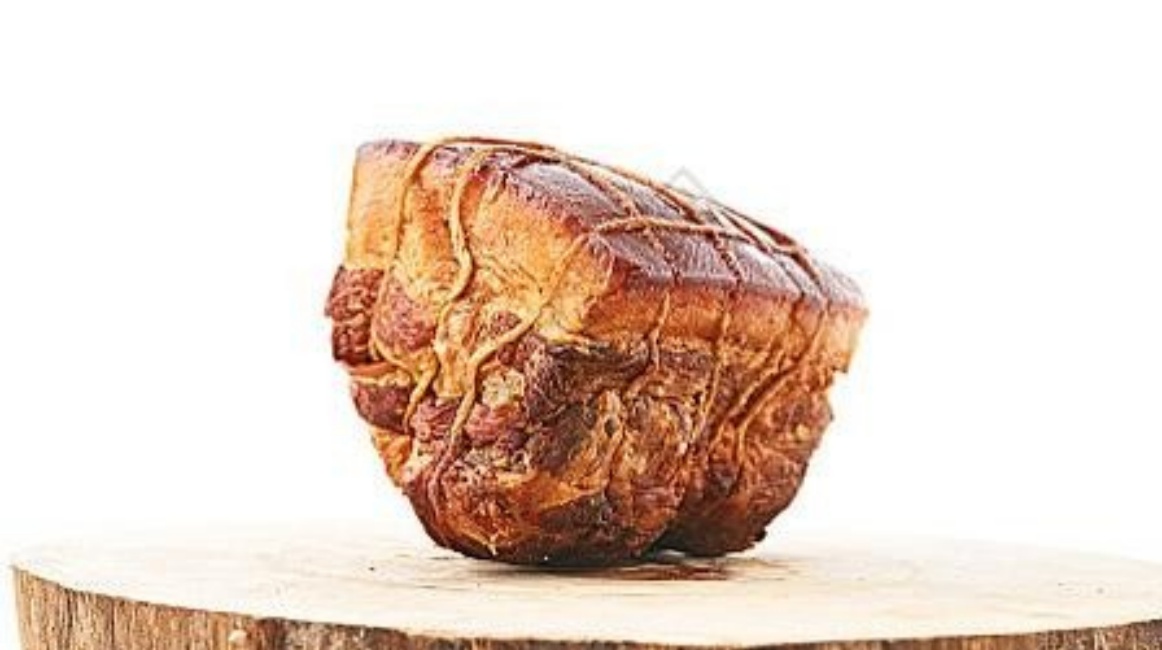
Finished smoked meat boasts a glossy amber-red appearance with tender skin and meat, showing clear layers when sliced. Its most remarkable feature is that the fatty part is rich yet not greasy, while the lean part is tender and never stringy. The translucent fat melts gently in the mouth without cloying; the firm, fine lean meat carries the savory taste of aged broth and subtle cedar smoke. Elders say it can be stored for a long time without spoilage and repels insects. In the old days on the northern frontier, it was premium meat easy to preserve.
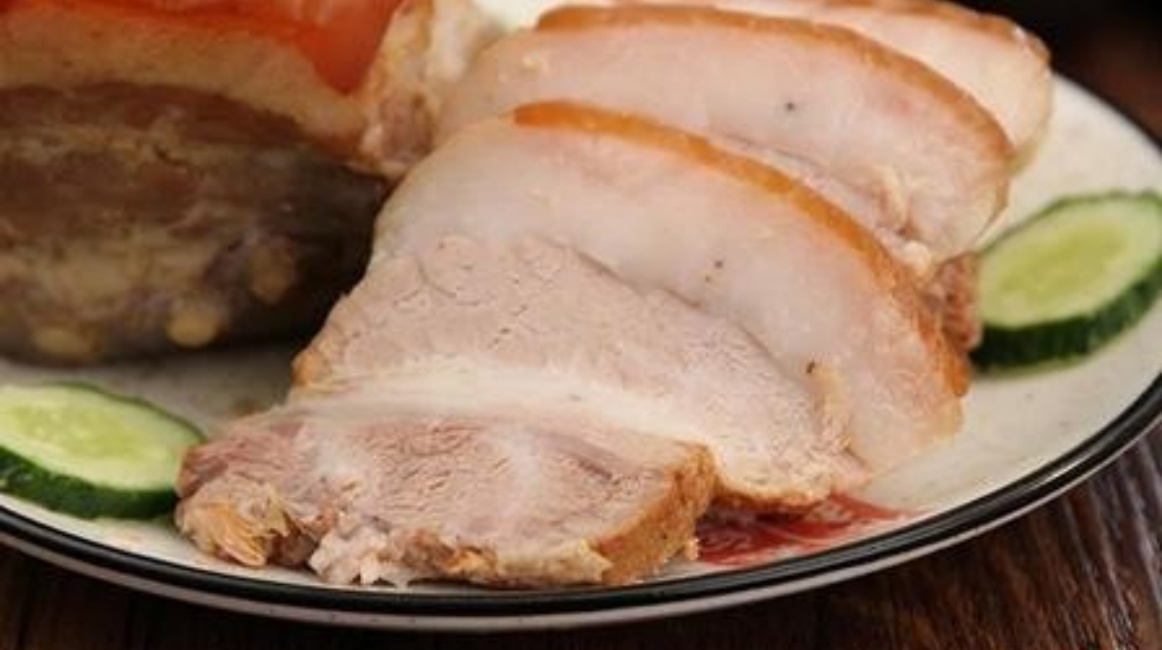
Chaigoubao Smoked Meat includes more than smoked pork belly. Smoked pork trotters, smoked chicken, smoked rabbit and smoked tofu rolls are also popular local varieties. It has simple and versatile ways to enjoy. The classic method is to slice it cold on a plate, served with a little vinegar and garlic, to fully savor its original meaty aroma. It can also be stuffed into sesame flatbreads or paired with oat noodles for a wonderful hot serving. During festivals, it serves as a signature main dish on tables of families in the Bashang region and a distinctive gift for visiting relatives and friends.
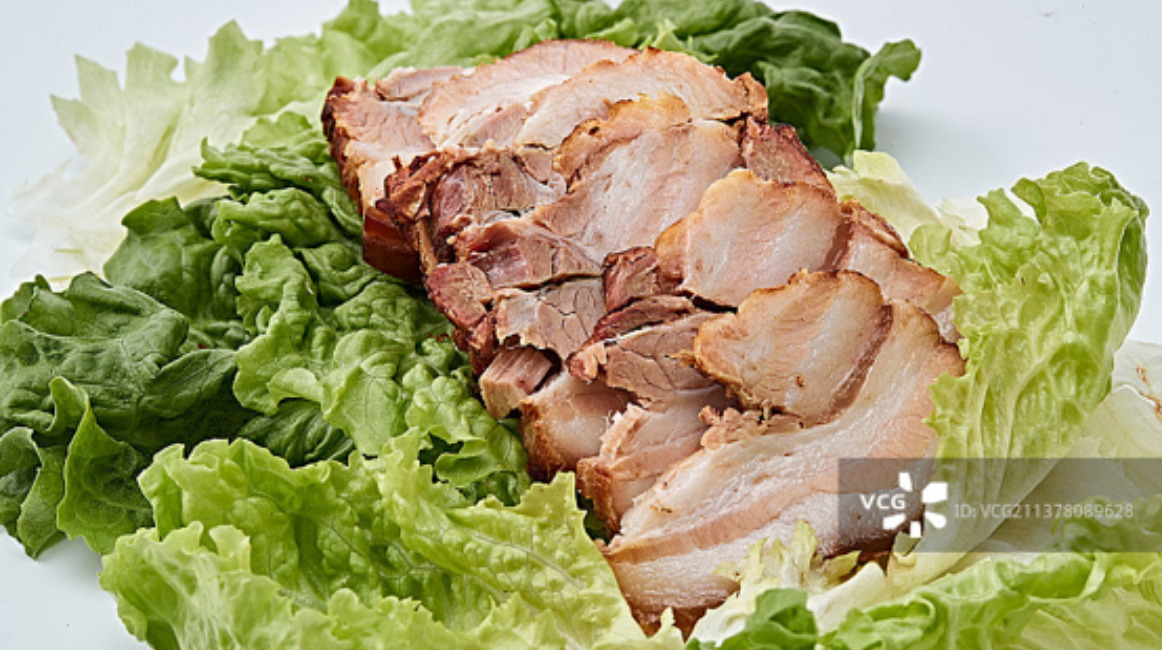
After two hundred years, the craftsmanship of making Chaigoubao Smoked Meat has been listed as Hebei Provincial Intangible Cultural Heritage. Wispy cedar smoke and a pot of time-honored broth — artisans of generations uphold ancient methods, sealing the earthly flavors of the northern frontier inside the meat. One bite of this smoked meat brings together meat aroma, spice fragrance and cedar scent, offering a taste of the local culinary culture and centuries of heritage in Huai'an, Zhangjiakou.

