


Stretching across the northern border of China, the Greater Khingan Range is covered by vast forests, among which birch woods form its most poetic landscape. As the second most common tree species in the Greater Khingan Range, only after the Dahurian larch, birches grow in clusters on valleys and gentle slopes for hundreds of miles. Their straight white trunks are marked with mottled black lenticels, displaying distinct scenery through the four seasons. Hardy pioneer trees in the boreal forest, birches have accompanied northern ethnic minorities for generations. They hold the secrets of natural evolution and carry profound forest culture. Walking into the birch forests of the Greater Khingan Range is like stepping into a flowing natural scroll painting on the northern mountains.
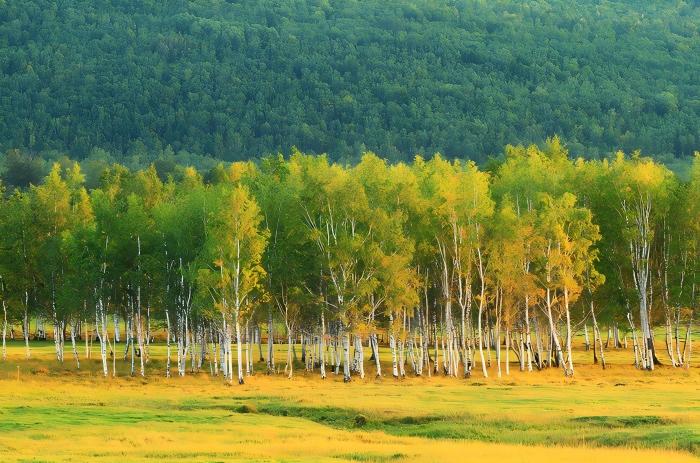
Character of the Trees: White Guardians of the Cold Mountains
The birch is a typical boreal deciduous tree. Slender and upright, it can reach more than 20 meters high. Its silvery bark is thin as paper and can be peeled off layer by layer. Scattered across the trunks are black lenticels of varying sizes, like the eyes of the forest, gazing quietly over the Khingan mountains. A pioneer species, the birch boasts extraordinary vitality. After forest fires or logging, birch saplings are usually the first to sprout on the land. They take root in poor soil, conserve water and soil, and create suitable conditions for conifers such as larch and Scotch pine. As coniferous forests gradually mature, birch stands will gradually recede, completing the cycle of forest renewal.
Graceful as they look, birches possess inner toughness. Winters in the Greater Khingan Range are long and frigid, with temperatures dropping to minus 40 degrees Celsius. Birch twigs are flexible: they bend under heavy snow and straighten again once the snow melts, rarely breaking. Most birches live for around a hundred years. Though short-lived, they dedicate their whole life to adorning the northern mountains. Known as the “diamonds of the forest”, they demonstrate the power of life amid the harsh northern wilderness.
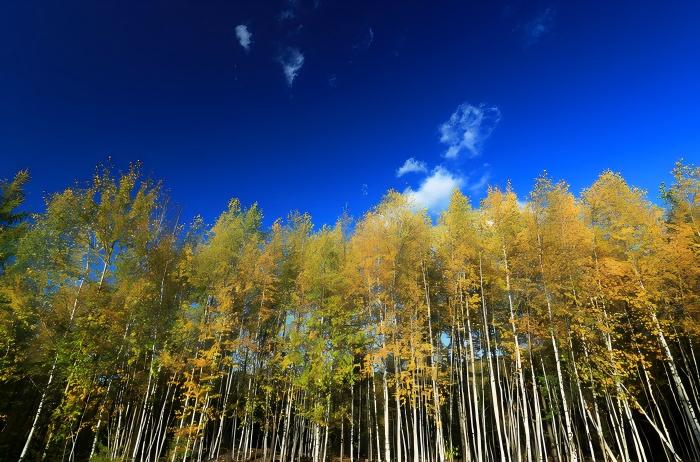
Changing Seasons: Oil Paintings of the Forest
The birch forests of the Greater Khingan Range offer unique views with every passing season. In spring, ice and snow thaw, and birches wake from winter slumber. Sweet birch sap oozes from the trunks. Rhododendrons bloom one after another in the woods. Pink and purple flowers cluster around pale trunks, dotted with tiny pale green new leaves. The white trunks interweave with colorful mountain blossoms, fresh and lively — a spring wonderland unique to the north. Summer brings lush foliage. Dense leaves form a thick canopy. Sunlight filters through branches, casting dappled shadows on the forest floor. Silvery trunks stand amid the vast green sea. The air is clean and rich in negative oxygen ions. Wandering in the woods, visitors feel the breeze rustling the leaves and all summer heat fades away in peaceful stillness. Autumn is the most gorgeous season for birch forests. When autumn winds sweep through, leaves turn deep golden, flooding the woods with golden light. The blue sky, silver trunks and golden leaves complement each other, just like a rich oil painting. The wind stirs, and golden leaves fall to carpet the ground. Strolling here is an experience full of romance. In winter, snow blankets the mountains, and all leaves fall. Birches shed their colorful garments. Silvery trunks merge with endless snow, dotted by dark lenticels. The scenery is simple and elegant. All sounds fade in the wilderness; only cold wind brushes the trunks. Heaven and earth are pure and solemn, like an ink wash painting, quiet and expansive.
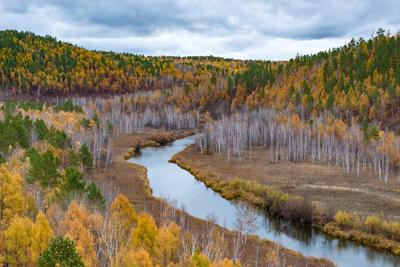
Forest Heritage: The Birch Homeland of Ancient Peoples
For thousands of years, birch trees have been precious resources for nomadic ethnic groups in northern China, such as the Oroqen and Evenki people, nurturing the unique birch bark culture. Birch bark is soft, waterproof, rot-resistant and easy to ignite. In ancient times, hunters peeled birch bark to build chuluozi (conical tents), make birch-bark boats, buckets, food containers and storage pouches. Birch wood was crafted into bows, arrows and sleds. Birch sap could be drunk, and birch bark served as paper to record tribal stories. Some say hunting culture is birch bark culture.
Many ancient legends circulate in the birch woods, where birches are depicted as symbols of kindness and resilience. During the modern development of the Greater Khingan Range, railway soldiers and forest builders settled here, with birches silently witnessing their years of dedication. Today, commercial logging of natural forests has been fully banned. Birch forests have transformed from timber sources into ecological shelters, and the ancient woods have entered an era of recuperation.
Ecological Value: The Green Barrier of Northern China
Birch forests form a vital part of the Greater Khingan Range’s ecosystem. Their dense root systems firmly hold mountain soil, reduce erosion, conserve water resources, regulate local climate and block sandstorms from moving south. The woods provide habitats for wild animals including reindeer, roe deer, squirrels and various birds, who forage and breed here. Mushrooms, wild fruits and medicinal herbs grow under the trees, forming a complete and diverse biological community.
Birch forests also excel at carbon sequestration. The vast woodland continuously absorbs carbon dioxide and releases oxygen. These forests quietly safeguard the ecological security of the Northeast China Plain, acting as an indispensable natural barrier in northern China. Today, birch forests are not only key areas for ecological protection but also distinctive natural attractions. They draw visitors to appreciate the beauty of northern forests and raise people’s awareness to respect and protect nature.
The birch forests of the Greater Khingan Range are poems written by nature on the northern land. They endure bitter cold with resilient life, changing their appearance with the seasons, and accompanied northern peoples through long centuries. Beneath the pale trunks lie secrets of forest succession and memories of ancient cultures. Stretching across the Khingan mountains, these birch woods stand still, witnessing the passage of time, protecting the rivers and mountains of the north, and telling the world about the endless vitality of the Greater Khingan Range.

