


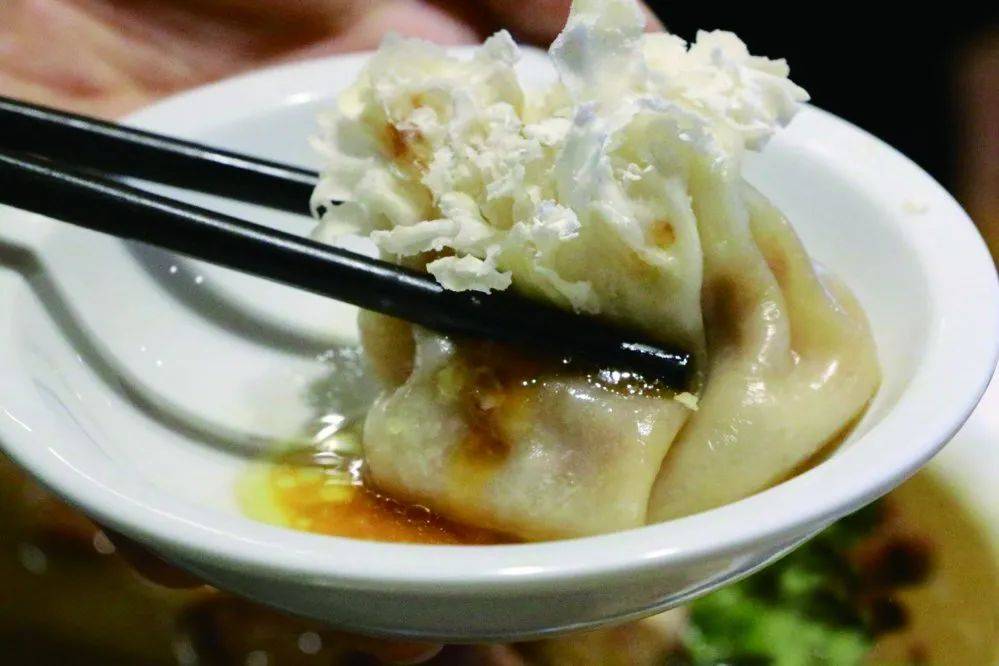
Where there is the warmth of ordinary life, there is heritage; each steamer of shaomai embodies the charm of a city. In Hohhot, the frontier city known as the Green City, shaomai is far more than an ordinary breakfast snack. Rooted in the grasslands for over 300 years, it is an autonomous regional intangible cultural heritage that integrates trading history, folk customs and artisan ingenuity. Distinct from other styles of shaomai across China, Inner Mongolia’s traditional shaomai features paper-thin wrappers, tender mutton free of gaminess, elegant shapes and pure authentic flavors. As a iconic culinary symbol of Hohhot forged by time-honored craftsmanship and frontier tastes, it carries the profound civilian culture and enduring heritage spirit of northern China’s grasslands.
A Century-old Origin: A Frontier Delicacy Forged by Trading Prosperity
Originally named “shaomai” (meaning incidental sale), Inner Mongolia shaomai dates back to the late Ming and early Qing dynasties in Guihua City and Suiyuan City, namely the present-day Dazhao Temple area in old Hohhot, with a history of more than 300 years. In ancient times, Hohhot served as a pivotal trading hub on the frontier, attracting Central Plains migrants, northern and southern merchants, and nomadic herdsmen. This prosperous convergence gave rise to a thriving folk catering culture, from which shaomai emerged.
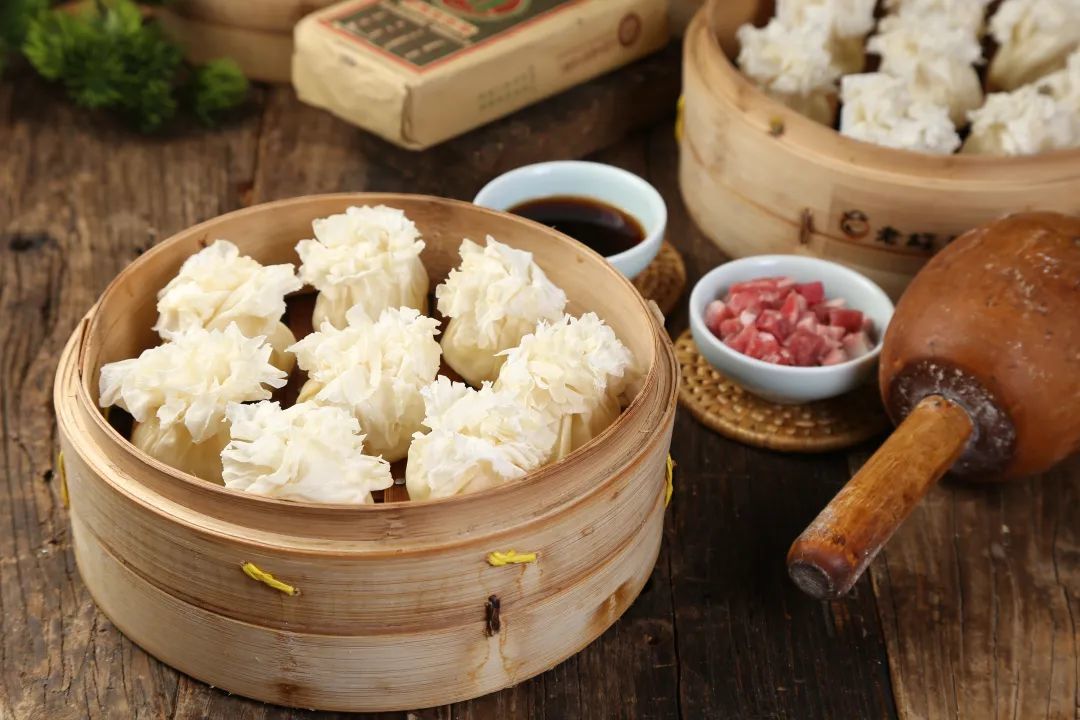
In the early days, local teahouses mainly sold brick tea. To serve passing travelers better, they made delicate pastries as tea accompaniments, which were incidentally sold and thus named “shaomai”. After centuries of refinement by generations of artisans, this simple tea-side snack has evolved into a rigorously crafted heritage delicacy, standing as a vivid testament to the integration of Central Plains farming culture and grassland nomadic culture.
Artisanal Craftsmanship: Time-honored Techniques Preserved by Generations
The reason why Inner Mongolia shaomai is listed as intangible cultural heritage lies in its pure handmade, heat-precise and detail-oriented traditional craftsmanship. Adhering to the ancient standard of rolling, wrapping and steaming on the spot, every procedure embodies seasoned artisan experience that cannot be replicated by machines.
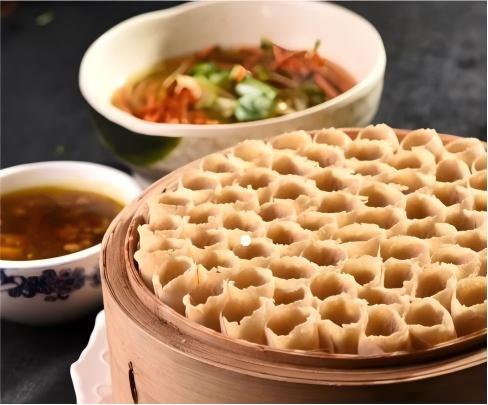
Wrapper making is the most challenging core technique. Artisans select high-gluten flour, knead and fully proof the dough before rolling it with a special rolling pin with steady strength and rhythm. The finished wrappers are as thin as cicada wings, transparent and flexible, with neat layered folds resembling budding lotus leaves. Ultra-thin yet unbreakable, tender yet resilient, this unique texture and shape is the irreplaceable essence of authentic Inner Mongolia shaomai.
The filling follows a minimalist ancient recipe without complicated seasonings. Premium lamb from Xilingol Grassland is chosen for its tenderness and zero gaminess, paired with scallions and ginger to enhance flavor. Only salt and flaxseed oil are used for seasoning. The filling is stirred uniformly in one direction with added water in batches to lock in juiciness, retaining the original rich freshness of grassland mutton to the greatest extent.
Wrapping and steaming require exquisite precision. An appropriate amount of filling is placed in the center of the wrapper, whose folded edges are gently gathered to form a plump pomegranate or lotus bud shape without sealing or pressing tightly. The shaomai are then steamed over high heat for seven to eight minutes with precise heat control. The finished products are translucent with upright folds, boasting an exquisite look and balanced taste.
Unique Flavor: An Exclusive Frontier Taste Different from Southern Styles
Unlike sweet glutinous rice-based shaomai prevalent in southern China, Inner Mongolia’s heritage shaomai features a savory mutton flavor unique to the frontier. Freshly steamed shaomai exudes warm steam. The soft and thin wrapper encloses juicy mutton filling, where the aroma of scallions perfectly blends with rich meat flavor. Tastes mellow and satisfying, it is rich but not greasy, fresh and completely free of gaminess, presenting the pure exclusive taste of the northern grasslands.
Eating shaomai is a ritual local custom, best paired with warm brick tea. The mellow tea taste neutralizes the greasiness of mutton, offering a refreshing aftertaste. In addition, Inner Mongolia shaomai follows a century-old traditional weighing rule priced by the weight of wrappers. One liang of wrappers makes eight shaomai, each thin-skinned and fully stuffed, embodying the honest catering tradition of Hohhot.
Cultural Heritage in the Warmth of Ordinary Daily Life: A City’s Cultural Symbol
After over 300 years of precipitation, shaomai has transcended its identity as mere food and become a core cultural calling card of Hohhot. It embodies the life wisdom of frontier people and witnesses the integration and coexistence of the “Zou Xikou” immigrant culture and grassland trading culture, serving as a precious cultural treasure rooted in the city’s daily life.
Every morning, streets and alleys in Hohhot are filled with steam from shaomai restaurants. Enjoying a steamer of shaomai with brick tea has been a local morning routine for hundreds of years. This familiar warmth of ordinary life shapes the city’s gentle and tranquil temperament. Nowadays, thousands of shaomai restaurants spread all over the city, fully demonstrating the profound popularity of this heritage delicacy.
Inheriting the Legacy: Revitalizing an Ancient Taste for the Future
The inheritance of this authentic flavor relies on persistent heritage artisans. Representatives like Li Ying and her three-generation family have dedicated decades to preserving the original craftsmanship and authentic frontier taste with strict adherence to ancient procedures. Meanwhile, local brands uphold heritage innovation. While retaining traditional material selection and core techniques, they optimize production standards to adapt to modern dietary needs, breathing new vitality into the ancient craft.
Today, Inner Mongolia’s heritage shaomai has stepped out of the grasslands and gained popularity nationwide. Each delicate shaomai carries artisan ingenuity in its thin wrapper and earthly warmth in its fresh filling. It is not only the taste nostalgia for local people in Hohhot, but also a vivid window showcasing Inner Mongolia’s folk culture and artisan spirit. Passed down from generation to generation, the century-old heritage flavor continues to narrate the profound history and tender warmth of the ancient frontier city.

