


Huotong Ancient Town in Ningde, Fujian, is a historic and cultural town with a legacy spanning a millennium. It is home to two brilliant examples of National Intangible Cultural Heritage: the Huotong String Lion Dance and the Huang Ju irrigation techniques. One represents a pinnacle of folk art, while the other—water—forms the root of agrarian life; the dynamic, spirited string lion dance complements the ancient irrigation canals that have benefited the people for ages. Together, they embody the survival wisdom and artisanal spirit of the ancestors of Eastern Fujian, making the town a rare sanctuary where both folk art and agricultural heritage remain vibrant, living traditions.
Nestled between mountains and water, Huotong Ancient Town preserves one of the most authentic, enduring cultural legacies in Fujian. Far removed from the clamor of commercialization, the town features a harmonious layout of ancient streets and alleys, the gentle murmur of thousand-year-old canals, and folk customs passed down through generations. For centuries, the people of Huotong have lived by the water and gained renown through their arts; they used ingenuity to build irrigation systems that nourished their fields and craftsmanship to perpetuate folk customs that enriched their community life. A blend of motion and stillness, of folk art and agriculture, these two forms of national intangible heritage are deeply rooted in the town's daily life. Having endured the passage of a thousand years, they continue to thrive, defining the unique cultural character of this ancient town in Eastern Fujian.
I. A Single Thread Brings the Lion to Life: The National Intangible Cultural Heritage of Huotong String Lion Dance
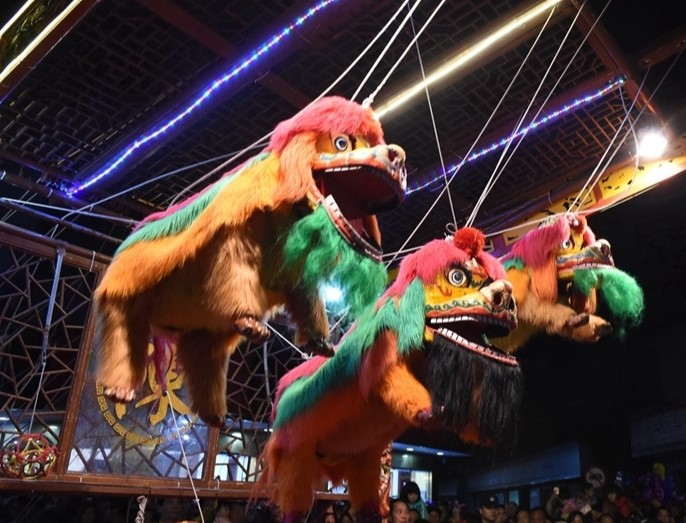
The Huotong String Lion Dance—also known as "Chou Shi" (Pulling the Lion)—is a unique traditional folk performance art exclusive to Huotong Ancient Town. Designated as one of the first items on the National Intangible Cultural Heritage list in 2006, it is hailed as a "unique marvel of Chinese culture." Its origins trace back to the Sui Dynasty, evolving from folk sacrificial rituals held by locals to honor the sage Huang Ju, who constructed canals for the public good. Refined over a millennium, it has become the most representative folk performing art in Eastern Fujian.
Unlike traditional ground-based lion dances, the Huotong String Lion Dance is a unique art form in which the lion is controlled by strings while suspended in mid-air. Using dozens of slender cords, the artisan manipulates the lion's body in mid-air without any physical support, bringing to life dynamic movements such as soaring, leaping, tumbling, retrieving a ball, and scratching an itch. A single lion appears majestic and agile; a pair plays with spirited grace; and a trio dances in a display of magnificent grandeur. The performance seamlessly blends strength with fluidity and lifelike expression, showcasing the exquisite artistry and breathtaking impact of this folk tradition through the interplay of motion and stillness. These seemingly light cords conceal a mastery honed through countless hours of practice; every precise movement relies on the tacit understanding and experience passed down through generations of artisans—a perfect fusion of human effort and craftsmanship.
For centuries, the Huotong Thread Lion has been deeply woven into the fabric of the ancient town's folk life. During the Lunar New Year, the "Second Day of the Second Lunar Month" sacrificial rites, and other festive celebrations, the town comes alive with the sound of gongs and drums and the dancing of the thread lions—a vibrant tradition that has endured for a millennium. Historically, the craft was passed down orally within families, embodying local rituals and ancestral heritage. Today, a dedicated museum for this Intangible Cultural Heritage (ICH) has been established to host regular performances of classic routines. Efforts are also underway to introduce the art form into schools and cultivate young inheritors, allowing this ancient folk skill to step out of the narrow alleys and into the public eye, revitalized with new energy.
II. An Ancient Canal Nourishing Countless Households: The Huang Ju Irrigation Technique (National-Level Intangible Cultural Heritage)
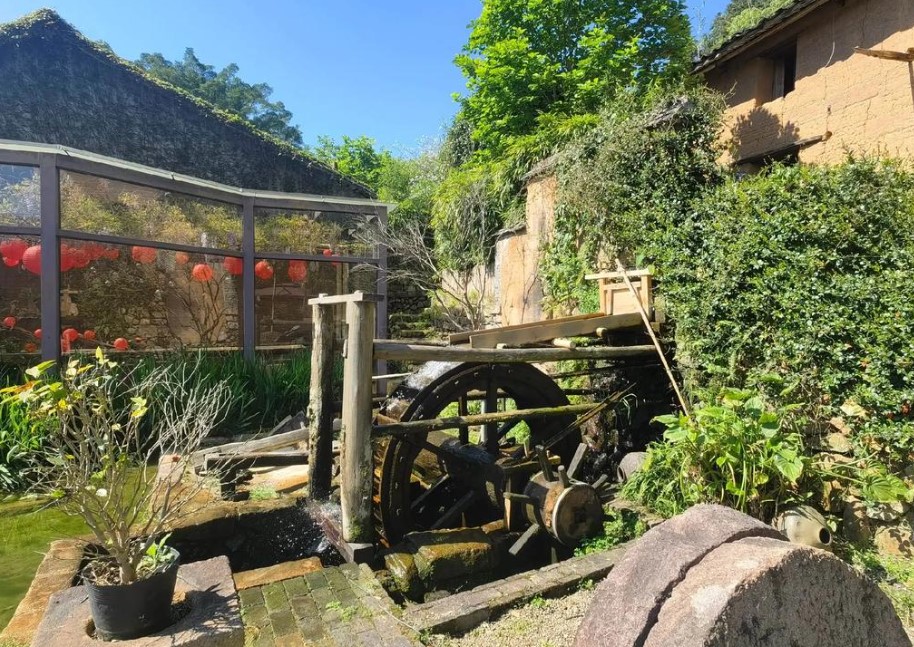
If the Thread Lion represents the spirited soul of Huotong’s folk culture, the Huang Ju irrigation technique forms the town's solid agricultural foundation. Originating in the Sui Dynasty, this ancient water management technique is recognized as both a National-Level Intangible Cultural Heritage and a World Heritage Irrigation Structure. With a history spanning over 1,400 years, it stands as the oldest surviving man-made irrigation project in Eastern Fujian, bearing witness to the extraordinary wisdom of the ancients in harmonizing with and transforming nature.
To alleviate the suffering caused by droughts and floods in the countryside, Huang Ju—a visionary figure of the Sui Dynasty—led the local villagers in constructing a unique, scientifically sound irrigation system. By carefully observing the mountain terrain and hydrological patterns, they carved canals through the rock, diverted water, and built dams. Using only primitive tools, the ancients accurately calculated terrain gradients and water flow patterns to construct a network of primary and secondary canals, sluice gates, and flood spillways. This system achieved multiple objectives: irrigation, flood control and drainage, and water storage for the public good. Tailored to the local landscape and working in harmony with natural contours, the project required no modern machinery yet has facilitated gravity-fed flow and benefited the community for a millennium—a perfect embodiment of the philosophy of "unity between humanity and nature."
For over a thousand years, the murmuring waters of the ancient canal have nourished the vast, fertile fields of Huotong and sustained its people, fundamentally transforming a region once plagued by unpredictable droughts and floods. This ancient irrigation system represents more than just hydraulic engineering; it embodies a comprehensive wisdom regarding agrarian survival. It has given rise to locally adapted farming practices, community covenants for water conservation, and folk rituals honoring the forebears—all deeply woven into the fabric of life in the ancient town, nurturing generations of Huotong residents. Despite the passage of a millennium, the canal continues to flow ceaselessly, bringing enduring benefits to the local community.
III. Symbiosis of Two Arts: A Living Legacy of the Ancient Town’s Cultural Heritage
Water nourishes the past and present, while dance enlivens a thousand years of history. The true value of Huotong Ancient Town lies in the fact that its two Intangible Cultural Heritage (ICH) elements are not merely static museum exhibits, but vibrant, living threads of cultural heritage. In daily life, the canal’s waters nourish the fertile soil and sustain the rhythms of agrarian life; during festivals, the "String Lion" dances soar through the air amidst the clamor of gongs and drums, awakening the vitality of ancient folk traditions. The agrarian foundation supports the flourishing of folk customs, while the cultural heritage of these customs safeguards the original spirit of the waterworks; the two ICH elements complement and thrive alongside one another.
Unlike the clamorous "internet-famous" ancient towns, Huotong has steadfastly preserved its authentic cultural character. The community upholds traditional methods, protecting both the thousand-year-old canal system and the traditional craft of the String Lion dance. Simultaneously, the town empowers the development of its ICH through the integration of culture and tourism; initiatives such as immersive live performances, educational study tours, and cultural outreach programs ensure that this ancient hydraulic wisdom and traditional folk artistry become known to a wider audience. Traditional craftsmanship preserves the authentic local spirit, while modern transmission revitalizes a millennia-old cultural lineage, ensuring these two forms of intangible cultural heritage endure and flourish in the new era.
IV. Summary of the Value of Intangible Cultural Heritage
The ancient canal embodies ingenious craftsmanship, while the "string lion" dance reflects local folk customs. The Huang Ju irrigation technique represents the agricultural wisdom of ancestors who harmonized with nature to benefit the people and the state, nourishing the land for a thousand years; the Huotong string lion dance is a folk treasure through which the people express their aspirations and pass down rituals, enlivening a cultural legacy that spans a millennium. These two forms of national-level intangible cultural heritage—one static and one dynamic, one rooted in agriculture and the other in folk custom—embody the cultural depth and poetic essence of life in Eastern Fujian. They serve not only as cultural calling cards for the ancient town of Huotong but also as living testaments to the enduring vitality of traditional Chinese agrarian civilization and folk culture.

