


Nestled in the heart of Huxingshan Mountain in southwestern Hunan, the Huayao Ancient Village is a remarkably well-preserved, pristine Yao ethnic settlement. It is home to two forms of National Intangible Cultural Heritage: Huayao cross-stitch embroidery and Tantou woodblock New Year prints. This single mountain harbors a dual legacy; the delicate, spirited Huayao cross-stitch and the rustic, vibrant Tantou New Year prints—blending softness with strength—embody the folk aesthetics of the Hunan region and the wisdom of Yao customs passed down over millennia. It stands as a rare, living sanctuary where these two intangible cultural heritages continue to thrive.
Huxingshan is shrouded in mist and terraced fields, with the ancient Huayao village standing quietly amidst the wilderness. Far removed from urban clamor and largely untouched by commercialization, the local Huayao people steadfastly preserve their ancient customs and craftsmanship. For centuries, Huayao artisans have used cloth as paper and thread as ink, skillfully weaving the wonders of the natural world; meanwhile, Tantou craftsmen use woodblocks and ink to capture the essence of daily life. Through every stitch and print, these two ancient heritage forms endure in the mountain village, serving as vibrant cultural calling cards for the Hunan region.
I. Yao Charm at the Fingertips: National Intangible Cultural Heritage—Huayao Cross-Stitch
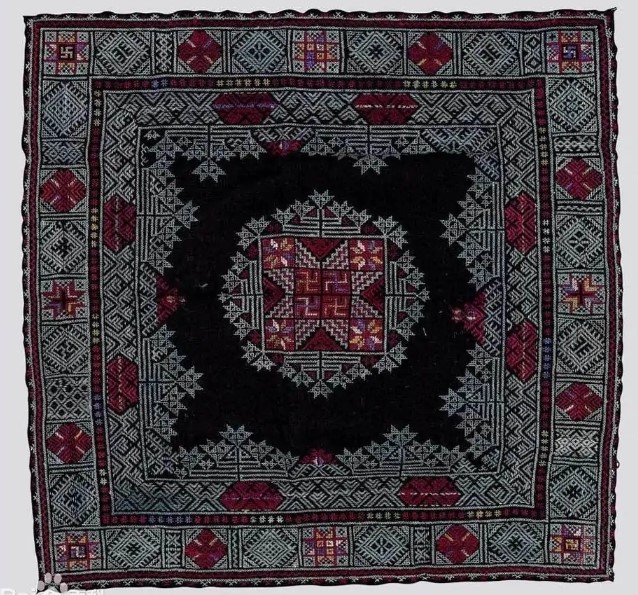
Originating in the Han Dynasty with a history spanning over two thousand years, Huayao cross-stitch was listed among the first batch of National Intangible Cultural Heritage items in 2006. The renowned writer Shen Congwen hailed it as "world-class cross-stitch embroidery." An essential skill for Huayao women, the craft requires no preliminary sketches or patterns; artisans rely entirely on the naked eye to discern the warp and weft of homespun cloth, stitching freehand. Consequently, every piece is a unique masterpiece born of true craftsmanship.
Huayao cross-stitch utilizes simple materials, combining coarse homespun cloth with colorful cotton and silk threads. Drawing on aesthetics and experience passed down through generations, artisans freehand-stitch motifs ranging from auspicious beasts, flowers, and birds to landscapes and ethnic totems. The patterns are symmetrical, intricate, and elaborate, featuring fluid, full lines that capture both the rustic spirit of the wild and the distinctive aesthetic charm of the Yao people. Unlike conventional embroidery, *tiaohua* (counted-thread embroidery) features neat, symmetrical patterns on both the front and back, with a fine, tight texture, precise stitching, and rich layering.
In the folk culture of the Hua Yao (Flowery Yao) people, *tiaohua* embodies profound emotional significance. Women’s headscarves, belts, skirt hems, and pouches are all crafted by hand; these items serve not only as everyday attire but also as ceremonial pieces for weddings and festive occasions. The patterns reflect the Yao people's aspirations for good fortune, their love of nature, and their reverence for the landscape, encapsulating the wisdom of life and the pure, unadorned aesthetic passed down through generations of this ethnic minority. For centuries, the art of Hua Yao *tiaohua* has been preserved through the transmission of skills from mothers to daughters and among neighbors, keeping the Yao cultural heritage alive, stitch by stitch.
II. The Spirit of Hunan on Paper: A National Intangible Cultural Heritage—Tantou Woodblock New Year Prints
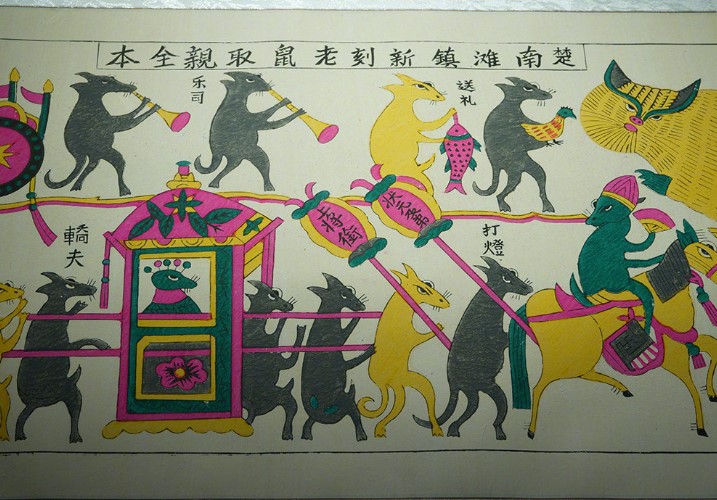
Tantou woodblock New Year prints were also included in the first batch of national intangible cultural heritage listings. As the only handmade, water-printed woodblock New Year prints in Hunan Province, they boast a four-hundred-year history and stand as a classic representative of folk New Year prints in southern China. Unlike the bold, rugged style of northern New Year prints, Tantou prints blend the delicate elegance of the Chu region with a grounded, rustic substance; they feature exaggerated, vivid forms and lustrous, bright colors, while maintaining a simple, pure style that captures the authentic atmosphere of everyday life.
Tantou New Year prints are created using traditional, complete manual processes—including woodblock carving, inking, color registration, and water-based printing—and rely on locally produced, specially made paper. Artisans meticulously carve the woodblocks and apply colors layer by layer, resulting in hues that are warm and refined rather than garish, and lines that are fluid and expressive. The subject matter is diverse, ranging from door gods that guard the home, auspicious beasts, and figures from traditional opera to scenes of farming life and various folk customs; these prints vividly recreate the ancient lifestyle of welcoming the new year and seeking blessings, while conveying a folk spirit characterized by simplicity, sincerity, and optimism.
For centuries, Tantou New Year prints have embodied the festive spirit for the people of Hunan; every Lunar New Year, households display these prints to bid farewell to the old year, welcome the new, and pray for peace and well-being. Today, while steadfastly upholding ancient techniques, inheritors are infusing these arts with a culture of integrity and the spirit of the times. This allows these age-old New Year paintings to transcend the traditional confines of the holiday season and take on a vibrant, contemporary vitality.
III. Symbiosis of Dual Arts: A Living Legacy of Yao Cultural Heritage
The most captivating scenery of Huayao Ancient Village lies not merely in its landscapes, but in the enduring, living traditions of its intangible cultural heritage. By day, Yao women sit together under the eaves, their fingers nimbly weaving intricate floral patterns; inside the heritage workshops, artisans wield printing blocks, bringing rustic New Year paintings to life on paper. This interplay of motion and stillness—of embroidery and painting—creates a unique cultural rhythm that belongs solely to Longhui.
Unlike popular tourist hotspots, Huayao Ancient Village preserves its heritage in its most authentic, unadulterated form. Free from excessive commercial packaging, these intangible cultural assets are not static museum exhibits but living crafts woven into daily attire, festive rituals, and folk life. Through educational workshops and artisan-led classes, the village helps ancient cross-stitch embroidery and New Year paintings reach beyond the mountains, allowing more people to appreciate the craftsmanship of the Huxiang region and the rich folk culture of the Yao people.
IV. Summary of the Value of Intangible Cultural Heritage
Ancient arts lie hidden in the mountains, a peerless duo enriching southern Hunan. Huayao cross-stitch embroidery is a form of ethnic poetry woven by hand, embodying a millennium of Yao customs and aesthetics; Tantou woodblock New Year paintings capture the essence of everyday life, preserving a century of Huxiang holiday traditions and rural sentiment. Coexisting in harmony, these two forms of national-level intangible cultural heritage are quietly passed down amidst the misty, terraced fields of Huxingshan—safeguarding the pure craftsmanship of folk artisans while perpetuating the diverse and brilliant cultural legacy of the Chinese people.

