


A Millennium of Heritage: The Origin of Acupuncture
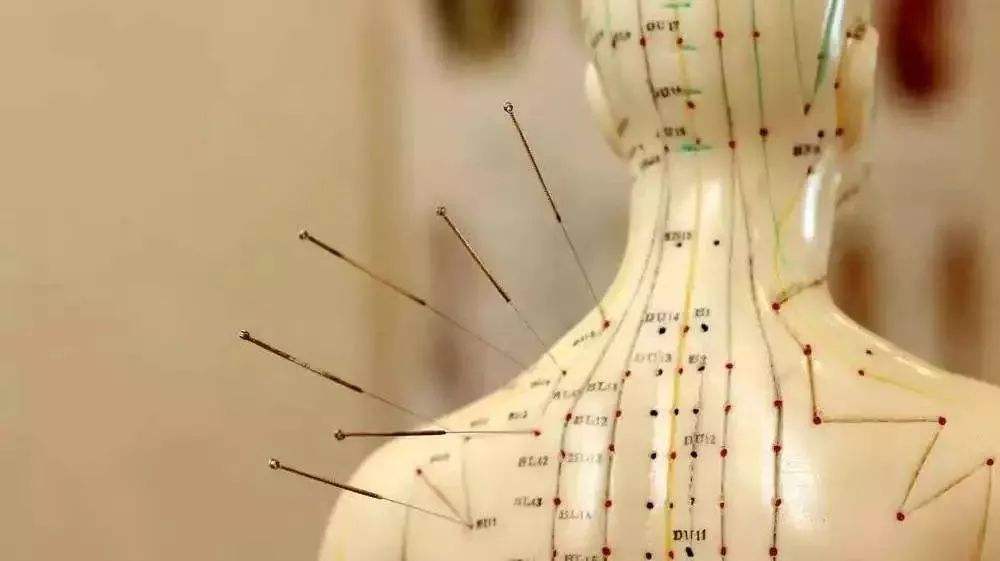
As a core treasure of traditional Chinese medicine (TCM), acupuncture is a crystallization of ancient people’s wisdom in exploring nature and harmonizing the body and mind after thousands of years of inheritance and development. It is also one of the first TCM arts inscribed on the UNESCO Intangible Cultural Heritage List. The history of acupuncture dates back to the Neolithic Age. While working, ancient people discovered that stimulating specific parts of the body with sharp tools could relieve pain and physical discomfort, which gave birth to the earliest "stone needle therapy".
With the progress of times, bronze needles and iron needles gradually replaced stone needles, and acupuncture techniques were continuously optimized. During the Spring and Autumn and Warring States Periods, Huangdi Neijing (The Yellow Emperor’s Internal Classic) systematically elaborated on acupuncture theories, meridian systems and treatment principles, laying a solid theoretical foundation for acupuncture medicine. Zhenjiu Jiayi Jing (The ABCs of Acupuncture and Moxibustion), compiled by Huangfu Mi in the Wei and Jin Dynasties, is China’s first monograph dedicated to acupuncture, which standardized acupoint positioning and needling techniques. For thousands of years, acupuncture has not only safeguarded Chinese people’s health but also spread worldwide, becoming a globally renowned TCM treatment.
Theoretical Essence: The Core Principles of Acupuncture
The therapeutic effect of acupuncture is rooted in TCM’s unique theory of meridians, collaterals and qi-blood. TCM holds that the human body is covered with a network of meridians and collaterals, serving as the vital passages that connect internal organs, limbs and skin, and maintain the circulation of qi and blood as well as the balance of zang-fu organs. Smooth qi and blood circulation ensures physical health, while qi stagnation, blood stasis and meridian blockages will trigger various illnesses and discomforts.
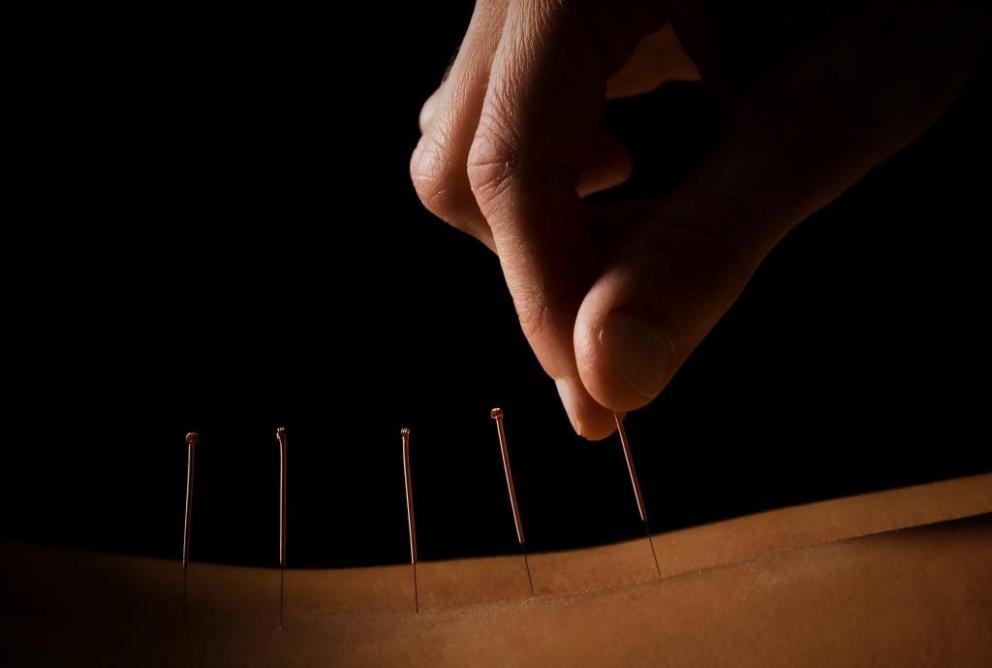
Acupuncture follows the fundamental principles of "dredging meridians, regulating qi and blood, and balancing yin and yang". By stimulating specific acupoints through needling and moxibustion, it unblocks stagnated qi and blood, regulates dysfunctional internal organs, and restores the body’s yin-yang balance. Different from Western medicine that targets focal lesions, acupuncture emphasizes holistic conditioning. It does not merely relieve superficial symptoms but improves physical functions fundamentally to strengthen the body’s resistance and eliminate pathogens, embodying the core TCM concepts of holistic view and treatment based on syndrome differentiation.
Exquisite Techniques: Fundamentals of Acupuncture Therapy
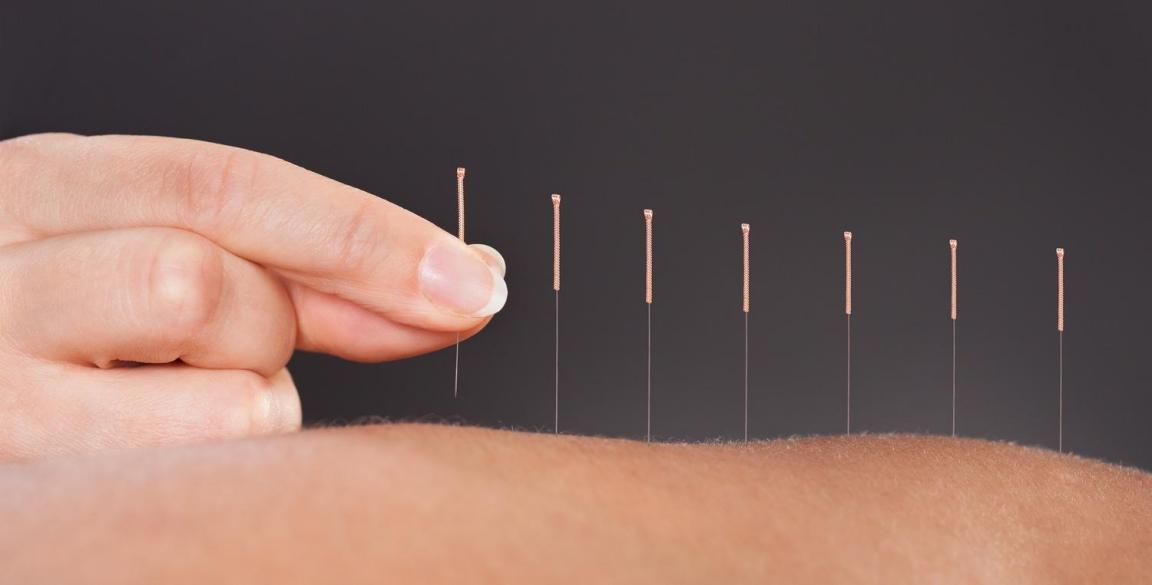
Acupuncture is a combination of needle therapy and moxibustion. The two therapies share consistent theoretical mechanisms, complement each other in techniques, and work synergistically to achieve better curative effects. Needle therapy adopts sterile filiform needles to pierce specific acupoints accurately. Through professional manipulation techniques such as lifting, inserting, twisting and rotating, it stimulates meridians and acupoints to dredge qi and blood, relieve pain and eliminate blood stasis, and is mainly applied to treat excess symptoms and acute diseases such as pain, numbness and spasms.
Moxibustion takes mugwort as the raw material. It transmits heat and medicinal efficacy into meridians by warming acupoints through burning moxa, which can unblock meridians, dispel cold and dampness, and tonify qi and blood. It is more suitable for deficiency-caused illnesses, cold-damp disorders and yang deficiency symptoms. Modern acupuncture has derived innovative therapies including electroacupuncture, auricular acupuncture and acupoint application. While inheriting traditional essence, these improved methods adapt to the physical conditions and medical needs of modern people, making treatment approaches more diverse and efficient.
Wide Application: The Scope of Acupuncture Treatment
Featuring safety, gentleness and minimal side effects, acupuncture has an extensive application scope, covering various diseases in internal medicine, surgery, gynecology and pediatrics. Clinically, it achieves remarkable curative effects in treating musculoskeletal and neurological diseases such as cervical, shoulder and lumbocrural pain, arthritis, migraine and facial paralysis. It also delivers prominent conditioning effects on chronic and functional disorders including insomnia, anxiety, spleen and stomach disorders, irregular menstruation and low immunity.
Furthermore, acupuncture is widely used in rehabilitation therapy, sub-health conditioning and postoperative recovery. Compared with drug therapy, it avoids the side effects and drug resistance caused by excessive medication. Suitable for people of all ages, it can both treat diseases and consolidate physical fitness, serving as a green therapy that perfectly meets modern people’s daily health needs.
Eternal Inheritance: Modern Value of Acupuncture
After thousands of years of development, acupuncture has never faded with the passage of time; instead, it has gained new vitality in the modern medical system. Today, its meridian theory and therapeutic effects have been scientifically verified by modern medicine, and its functional mechanisms in regulating nerves, improving blood circulation and relieving inflammation and pain have been gradually clarified. Globally, acupuncture has been recognized and applied in more than 100 countries, becoming an important part of integrated traditional and Western medicine.
As a carrier of traditional Chinese culture and medical wisdom, acupuncture is far more than a therapeutic technique; it is a vivid embodiment of Chinese health philosophy. It embodies the ancient wisdom of conforming to nature and harmonizing the body and mind, and continues to benefit human health with its unique medical value. In the new era, traditional acupuncture is deeply integrated with modern science and technology. With continuous inheritance and innovation, this time-honored medical art will pass down from generation to generation and benefit all mankind forever.

