


Nestled at the western end of the Hexi Corridor and deep in the Gobi Desert, Dunhuang has stood quietly for thousands of years. As a strategic gateway on the ancient Silk Road, a secret realm carved by wind and sand, and an artistic sanctuary where Eastern and Western civilizations converge, it embraces rolling yellow sands, moonlit clear springs, time-honored grottoes and marvelous Gobi landscapes. The integration of natural wonders and human heritage shapes the unique grandeur and romance of Dunhuang, captivating every traveler who comes to encounter its timeless breathtaking beauty.
Coexistence of Sand and Spring: The Natural Grace of the Desert
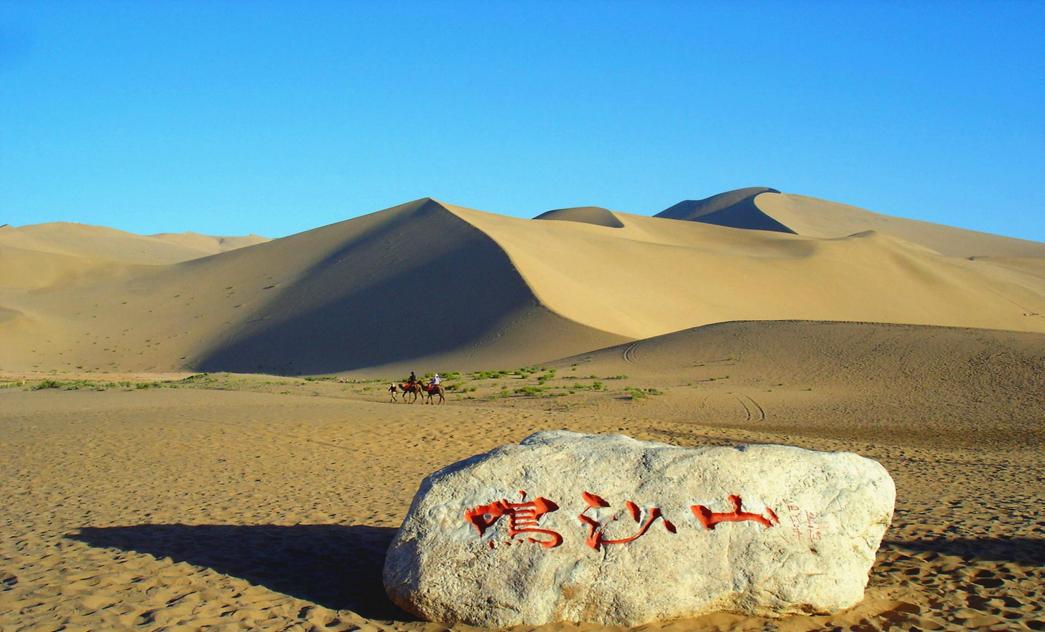
Mingsha Mountain and Crescent Spring represent Dunhuang’s most renowned natural wonders and the tenderest poetry hidden in the vast desert. Stretching more than forty kilometers from east to west, the rolling Mingsha Mountain rises abruptly from the wilderness. Layers of five-colored sand grains glow with gentle hues of gold, red, yellow, white and black in the sunlight. Its steep ridges outline the sky like sharp blades. When the wind blows, sand grains rub against one another and resonate, sending lingering murmurs echoing across the wilderness. Known as "Singing Sand Ridges in Clear Sunshine", one of the ancient eight scenic spots of Dunhuang, it forms an ethereal melody composed by nature itself.
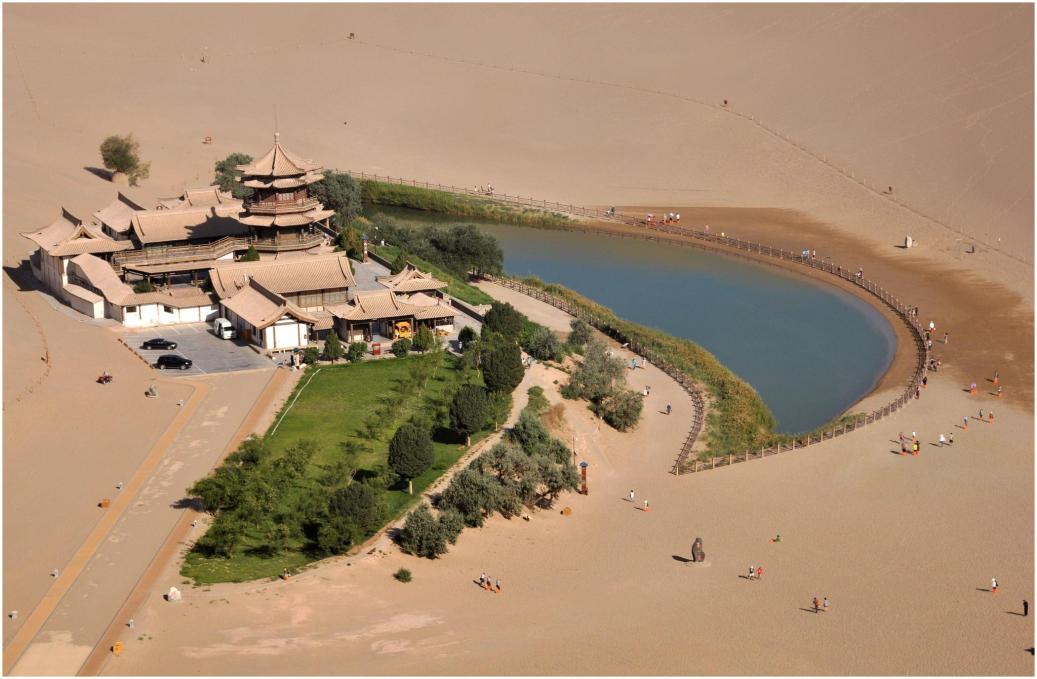
Nestled among the mountain ridges lies a crescent-shaped clear spring — Crescent Spring. Amid the boundless yellow desert, this spring has never dried up nor been buried by sand for thousands of years, a true miracle of nature. Its limpid water ripples gently, lined with lush vegetation that forms a striking contrast to the barren surrounding Gobi. By day, the towering sand mountains set off the graceful spring water. At dusk, the sunset glow spreads over the dunes, and the evening breeze brushes the spring surface. The interplay of light and shadow unfolds the unique tranquility and delicacy of the desert.
Millennium Grottoes: Treasured Art Passed Down Through Ages
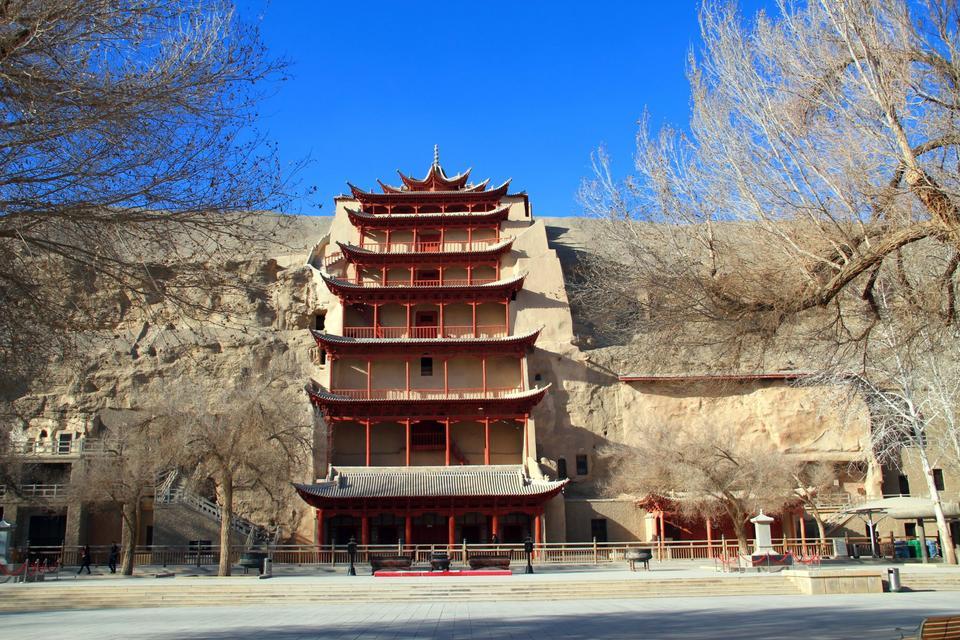
If sand and spring form the outer beauty of Dunhuang, the Mogao Grottoes embody its soul. Perched on the cliff of Sanwei Mountain, this cluster of grottoes was excavated successively from the Sixteen Kingdoms period to the Yuan Dynasty. Boasting over 700 grottoes and countless murals and painted sculptures, it is hailed as the "Bright Pearl of the East", bearing the splendid heritage of Silk Road civilization.
Stepping into the grottoes is like traveling back through a thousand years of time. Though weathered by wind and sand, the ancient murals still retain vivid colors and vivid charm. Graceful flying apsaras float in the air with flowing ribbons fluttering like swallows dancing in the breeze, standing as the most iconic artistic symbol of Dunhuang. Solemn and benevolent Buddha statues feature exquisite lines and delicate carving. Magnificent sutra paintings reproduce the prosperity of ancient times, depicting the customs and mortal life of bygone eras. Every stroke of color and every sculpture embodies the ingenuity of ancient craftsmen, blending Central Plains culture with Western Regions customs. It witnesses the cultural integration along the Silk Road and endows the ancient art with eternal vitality.
Yardang Gobi: A Mysterious Wonder Carved by Wind
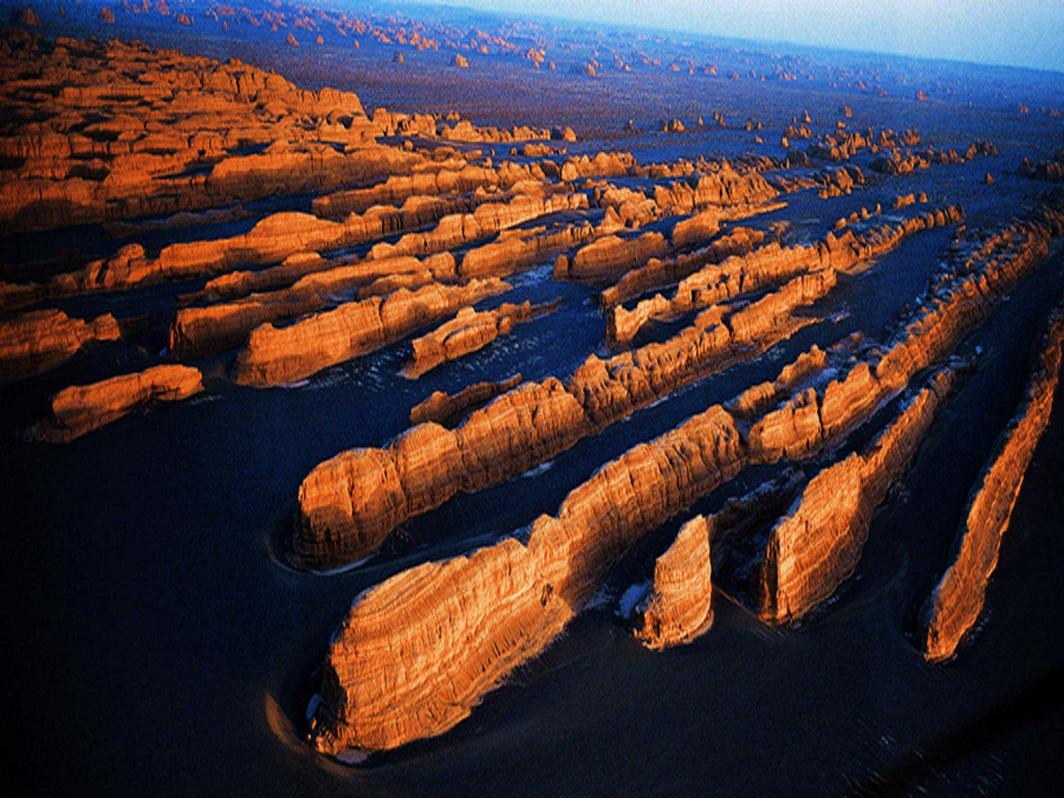
The supreme grandeur of Dunhuang lies in its vast and desolate Yardang landforms in the Gobi Desert. The Yardang Geopark in western Dunhuang is a natural wonder shaped by millions of years of wind and water erosion, locally known as the "Devil’s City". Over endless years, gales and running water have carved and polished the Gobi rock strata into scattered, imposing mounds and gullies of diverse shapes.
The Yardang landforms present a myriad of fantastic shapes: some resemble towering ancient castles and fleets of warships, while others look like vivid animals and lofty peaks. Under the clear sky, the overlapping mounds exude desolate grandeur. When strong winds rise, howling winds sweep through the gullies, creating a powerful and mysterious roar. At sunset, the setting sun gilds the entire Yardang landscape with warm crimson rays. The flickering light and shadow stretch across the boundless wilderness, fully revealing the wild and magnificent beauty of the northwest Gobi.
Legacy of the Silk Road: Grace Forged by Time
Dunhuang’s beauty lies not only in its natural landscapes and artistic treasures, but also in its profound Silk Road heritage. Once a bustling border town crowded with merchants, it served as a crucial hub for trade and cultural exchanges between the East and the West. The crumbling ruins of Yangguan and Yumenguan Pass stand silently in the Gobi, their weathered walls recording the vicissitudes of time. They convey the distant artistic conception of the ancient line "Beyond Yangguan, no old friends you will meet" and witness the prosperity and decline of the ancient Silk Road.
The Danghe River, the mother river nurturing Dunhuang, flows gently and gives birth to this oasis in the desert. Along the river stand scattered pavilions and terraces filled with cultural charm, decorated with flying apsaras reliefs and stone inscriptions of poetry. Natural scenery and cultural heritage complement each other perfectly. Today, Dunhuang still retains its ancient sand and timeless charm, where age-old civilization blends with mortal fireworks. It possesses both the desolate grandeur of the desert and the gentle warmth of earthly life.
One glance at Dunhuang, and a thousand years of enchantment linger. Wind and sand preserve the traces of time, grottoes carry forward ancient civilization, sand and spring hold tender poetry, and the Gobi embraces the grandeur of mountains and rivers. A land blessed with stunning natural scenery and profound cultural depth, Dunhuang amazes the world with its eternal grace, inviting travelers from all over the globe to appreciate the vastness of the desert and encounter a thousand years of ancient civilization.

