


Hongtong Steamed Rice from Shanxi, China, dates back to the Hongwu reign of the Ming Dynasty. Deeply tied to the history of migration from the Big Locust Tree in Hongtong, it is known as the "Root Rice" and "Nostalgic Rice". According to legend, when Zhu Yuanzhang passed through Hongtong, he tasted the local glutinous millet and praised it as "the finest flavor on earth", naming it "Royal Rice". Since then, steamed rice has become a tribute and a taste of hometown carried by migrants in their luggage. Over 600 years, it has spread across the country along the migration routes, with every grain carrying nostalgia and memories of home and country.
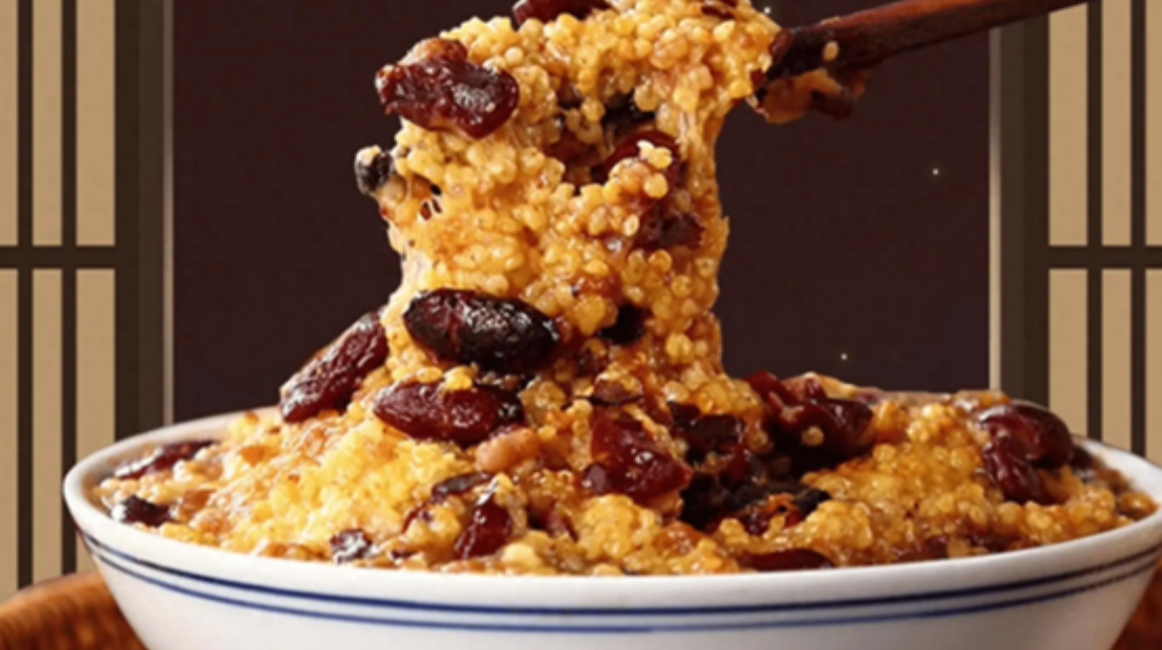
Authentic Hongtong Steamed Rice features three core ingredients: yellow glutinous millet, red dates, and red kidney beans. The "soft millet" grown in Hongtong’s sandy soil is plump and properly sticky; the local honey dates are thick-fleshed, small-pitted, and richly sweet. On the west bank of the Fenhe River, red kidney beans are added for health benefits, while on the east bank, only millet and dates are layered, each reflecting local wisdom. With few seasonings, the natural flavors blend perfectly—sweet but not cloying, glutinous but not sticky.
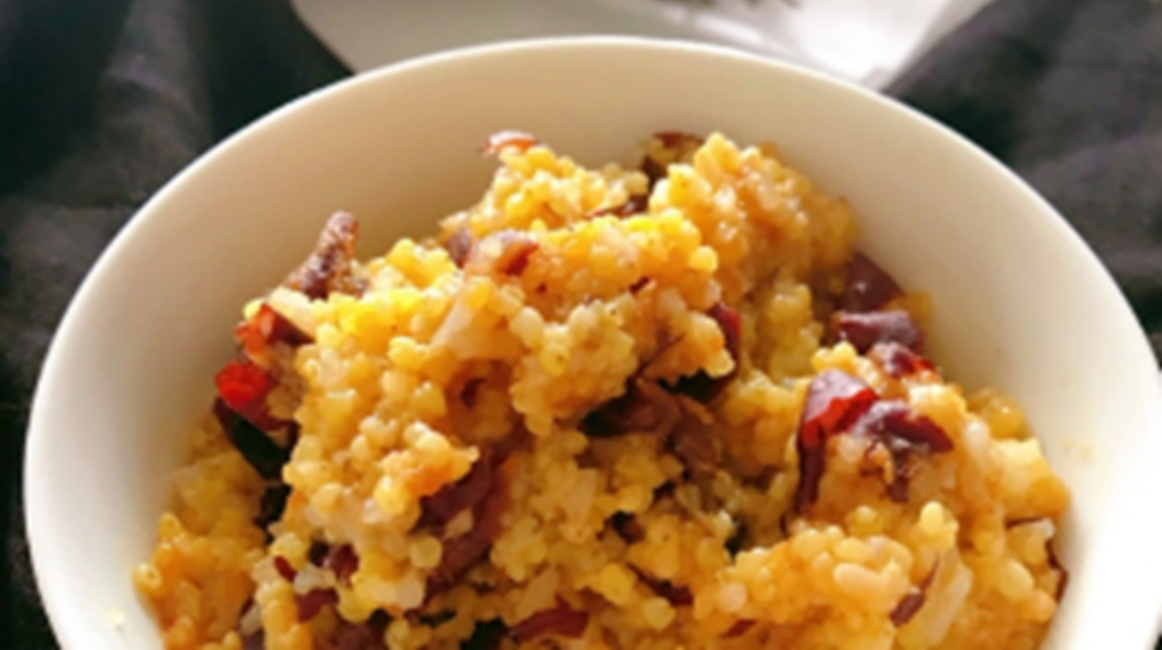
Time-Honored Craftsmanship: Three Unique Techniques
The essence of Hongtong Steamed Rice lies in three traditional handcrafted techniques.
Layered Stacking: Soaked overnight and drained, yellow millet is layered with cooked red dates and kidney beans in an iron pot—millet at the bottom, beans in the middle, and dates on top, repeated fully to let steam penetrate and absorb all essences.
Steaming and Sprinkling: Steamed vigorously for one hour, then sprinkled with boiling water three times when half-cooked, turning the grains amber translucent and stringy.
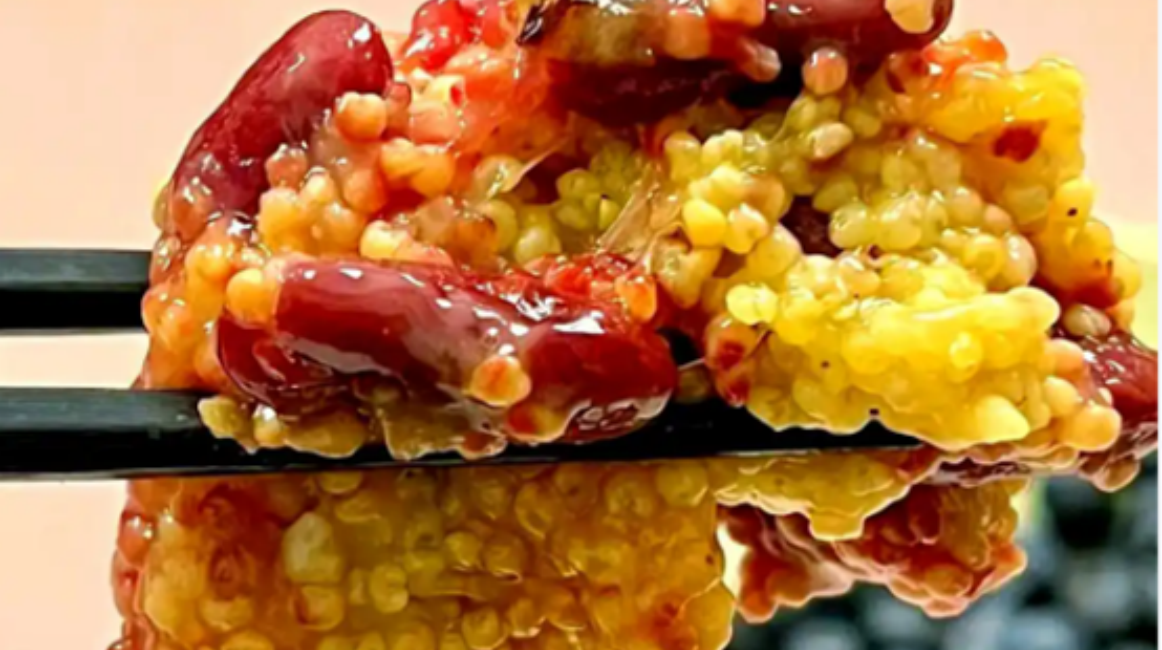
Pounding to Blend: After full steaming, a wooden mallet is used to pound the mixture into one cohesive piece, giving it a glossy sheen and an irresistible sweet aroma.
In Hongtong, steamed rice is a staple at festivals and feasts, carrying heartfelt blessings. Eaten during the Spring Festival, it symbolizes "prosperity and sweet reunion"; served at weddings, red dates represent "good fortune and early birth of children"; used in funerals, it conveys grief for the departed and wishes for peace. As breakfast on Lunar New Year’s Day and a must at wedding banquets, a bowl of steamed rice weaves family warmth and is a taste ritual deep in the hearts of Hongtong people.
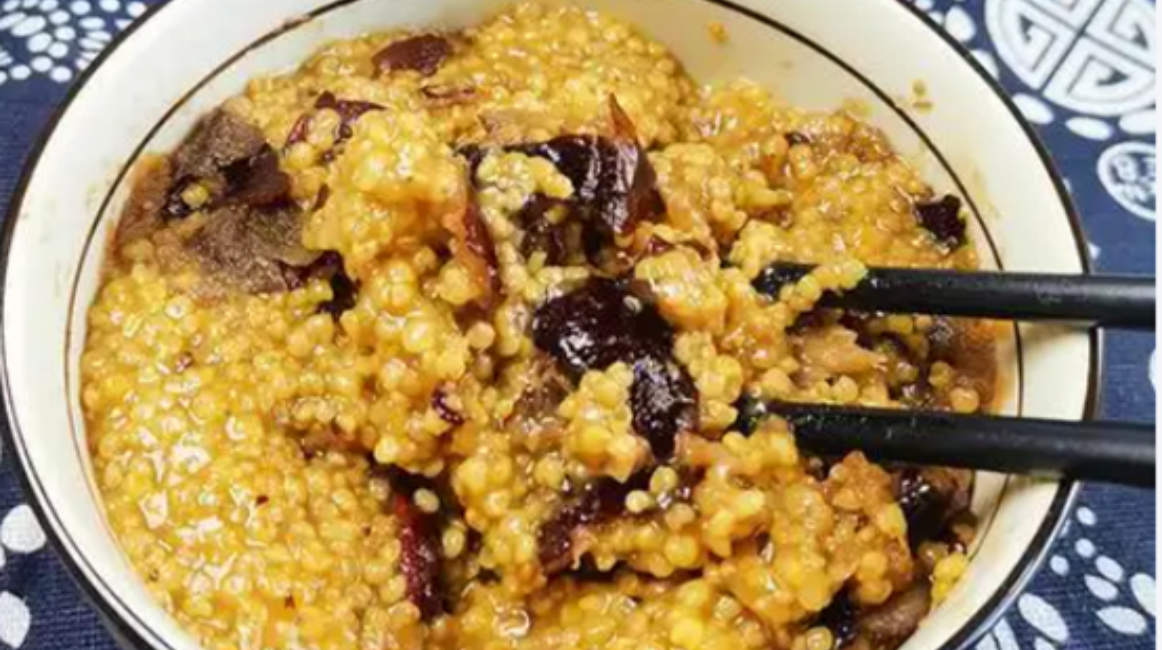
Today, Hongtong Steamed Rice is both an intangible cultural heritage delicacy and a nostalgic bond for wanderers. Street shops stick to iron pots and wooden mallets, making and selling it fresh; vacuum packaging brings hometown flavors to those far away; in restaurants, it shines as a signature "home taste" connecting tradition and modernity. From dry rations under the Big Locust Tree to comforting meals on modern tables, Hongtong Steamed Rice continues to tell the stories and sentiments of Hongtong people with its soft, glutinous sweetness.

