


I. A Millennium-Old Imperial Delicacy
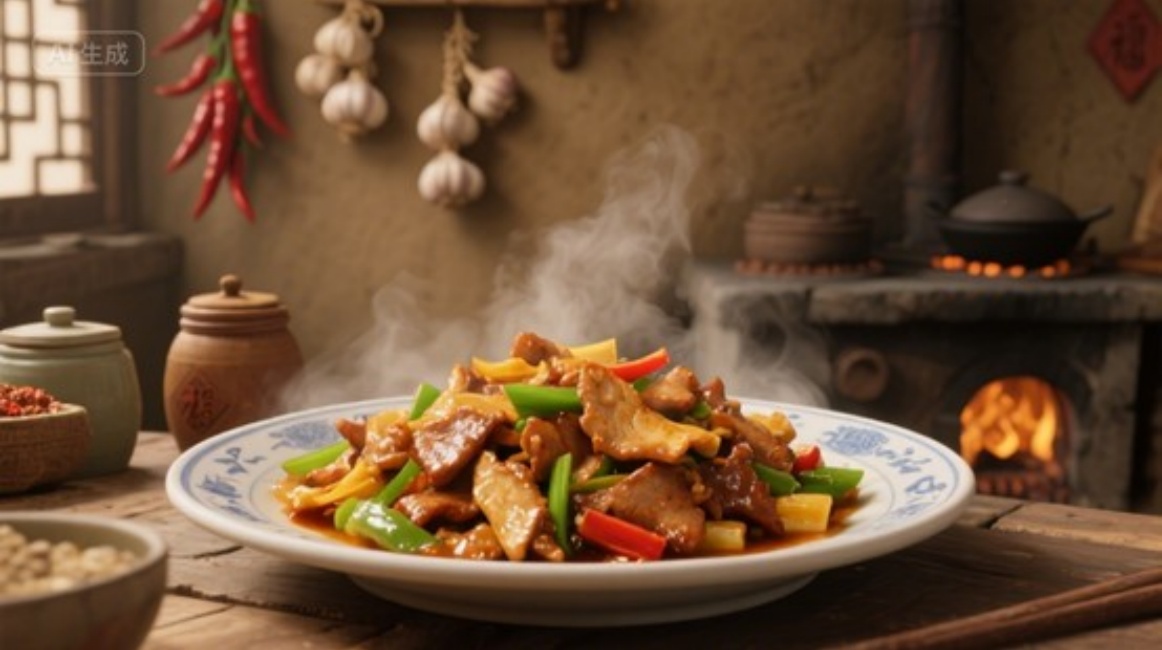
The roots of Shanxi Guoyourou (Sliced Pork Quick-Fried with Vinegar) run deep in the historical currents of the Sanjin land (the ancient name for Shanxi). Its origin can be traced back to "Aorou" (a primitive form of fried pork) in the Northern Qi Dynasty, a crystallization of the integration of Xianbei dietary culture and Han civilization. Its initial cooking techniques were recorded in Qimin Yaoshu (Essential Techniques for the Welfare of the People), an ancient Chinese agricultural and culinary treatise. After evolving through the Tang and Song Dynasties, it had become the top delicacy in the imperial palace by the Ming Dynasty, gracing every celebration and grand feast as the first course. Later, chefs from the Prince of Jin's Mansion brought the recipe to the common people, making it a staple dish at both official banquets and folk gatherings. From the flavor carried by Shanxi merchants who traveled far and wide during the Ming and Qing Dynasties, to being named one of the "Top Ten Famous Foods of Taiyuan" in 1957, and then selected as one of the "Top Ten Classic Famous Dishes of Shanxi" in 2018, this dish that has traversed a thousand years has always carried the culinary heritage of Shanxi.
II. Meticulous Craftsmanship of Artisan Spirit
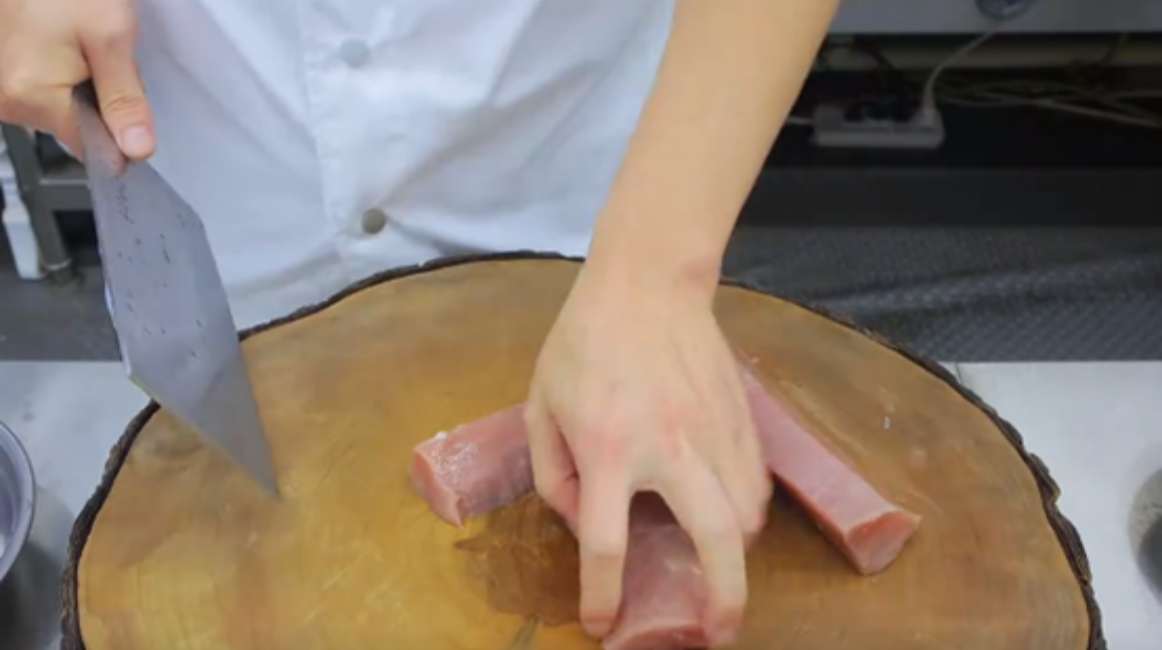
An authentic Guoyourou demands exquisite attention to detail from ingredient selection to cooking. The main ingredient must be the tenderest tenderloin or "yuanbao rou" (literally "ingot meat," a premium pork cut) from the pig, sliced against the grain (corrected from "顶纹" for culinary accuracy) into thin pieces the size of copper coins. These slices are mixed with egg yolk and wet starch to marinate and coat—sealing in the juices while ensuring a smooth and tender texture. "Guoyou" (quick-frying in oil) is the core skill: the oil temperature must be controlled at 40%-50% heat (120-150°C). Once the pork slices are added to the pan, they are quickly scattered—striking a balance between achieving a slightly crispy outer layer and retaining a juicy, tender interior. Too high a temperature results in burnt exteriors and raw centers, while too low a temperature causes the starch coating to fall off and the meat to become tough. The side ingredients, though seemingly simple, hold hidden ingenuity: Taiyuan uses bamboo shoots (yulanpian), Datong favors daylilies, Pingding pairs it with garlic scapes, and wild fungus and spinach stems are indispensable classic additions—enriching the texture and balancing the color.
III. Vinegar Aroma: The Soul of Its Flavor
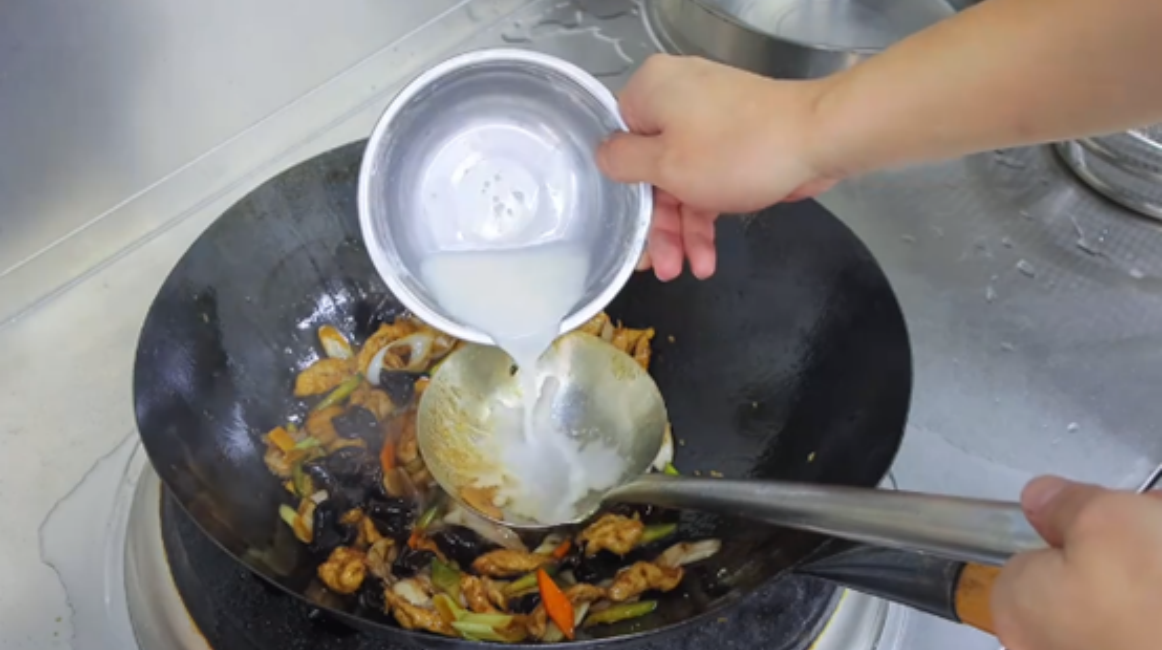
The Shanxi people's love for vinegar is perfectly embodied in Guoyourou. The soul of this dish lies not in heavy salt or spiciness, but in the delicate balance of "a hint of vinegar on the nose, a subtle sourness on the palate." The use of vinegar is a masterstroke—poured into the pan at high temperature just before serving. The acetic acid evaporates rapidly during stir-frying, leaving a mellow fragrance that eliminates fishiness, cuts through greasiness, and enhances the layered aroma of the meat. When finished, the golden, vibrant pork slices are coated in a translucent, well-balanced sauce. With savory umami as its base and vinegar aroma as its soul, the tender exterior and juicy interior complement the crispness of fungus and the sweetness of winter bamboo shoots, creating distinct layers in every bite. No wonder it is hailed as "the signature flavor of Sanjin."
IV. Diverse Regional Styles
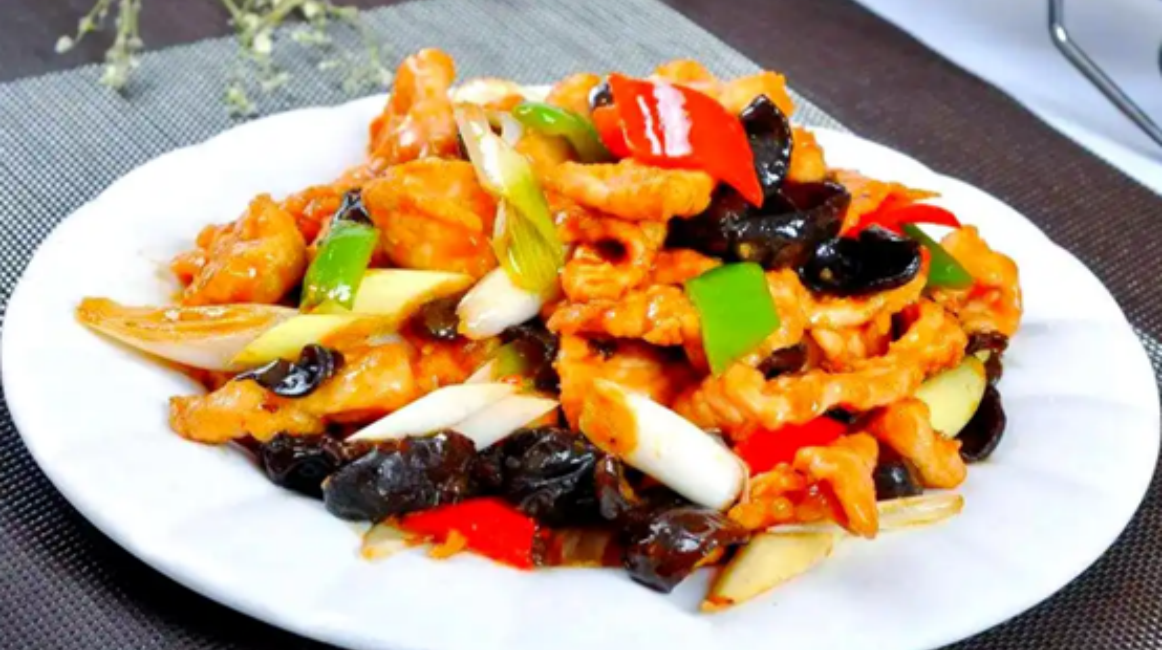
Across different regions of Shanxi, Guoyourou has evolved into unique styles, showcasing the culinary diversity of the Sanjin land. Taiyuan-style Guoyourou, with its pleasant savory taste and prominent vinegar aroma, is an iconic representative of Shanxi cuisine—the version crafted by famous chef Wu Wanku in 1957 has become a classic benchmark. Datong-style Guoyourou, one of the "Eight Great Banquet Dishes," boasts a bright golden color and the distinctive freshness of daylilies. As its place of origin, Pingding's Guoyourou adheres to strict ingredient selection and rigorous cooking techniques, with garlic scapes adding a refreshing touch. Jincheng's rice with Guoyourou stands out with its abundant broth, pairing perfectly with freshly cooked rice—it is a favorite on local family tables. Though each style has its focus, all uphold the core essence of "quick-frying to seal juices, adding vinegar to enhance aroma."
V. Homemade Taste Carrying Nostalgia
For the people of Shanxi, Guoyourou has long transcended its status as a mere dish to become an inherent symbol of nostalgia and reunion. During festivals and family gatherings, a plate of Guoyourou is a must on the table—its golden color symbolizes prosperity and good fortune, and its savory taste carries the joy of togetherness. For overseas wanderers, a single taste of its familiar vinegar aroma and tender texture instantly evokes homesickness, as if returning to their mother's kitchen or grandmother's dining table. Today, despite the emergence of various innovative versions, traditional Guoyourou remains the "white moonlight" (a poetic term for an irreplaceable favorite) in the hearts of Shanxi people. It is not only the inheritance of an intangible cultural heritage craft but also the expression of Sanjin children's love for life and affection for their hometown.

