


Perched atop the Red Hill in Lhasa, at an altitude of over 3,700 meters, the Potala Palace stands as a breathtaking symbol of Tibetan culture and architectural genius. As the world's highest, largest, and best-preserved ancient palace complex, it is more than just a building; it is a living chronicle of history, faith, and artistic achievement, rightfully earning its title as the "Pearl on the Roof of the World".
The palace's majestic structure is a testament to ancient ingenuity. Built directly against the slope of the mountain, its 13-story facade rises 115 meters high, creating an impression that it grows naturally from the hill itself. The name "Potala" derives from Sanskrit, referring to the mythical abode of the Buddha of Compassion, Avalokitesvara.
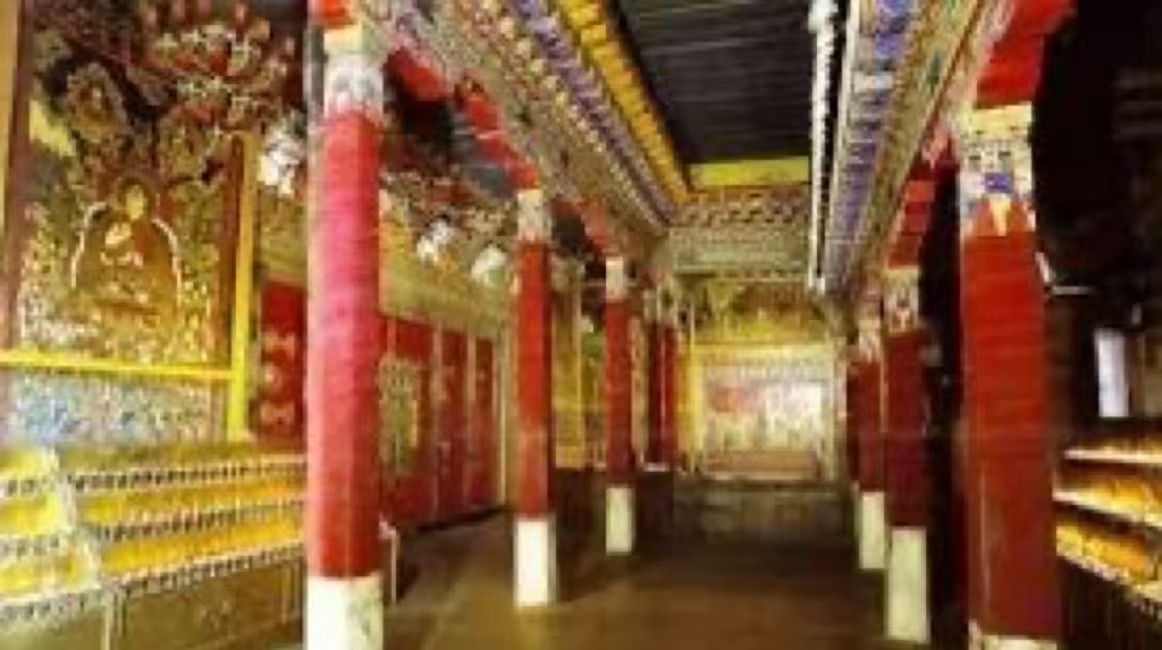
The Red Palace (Potrang Marpo): This central, crimson-hued section is the spiritual heart. Dedicated to religious study and prayer, it houses sacred chapels, libraries, and the ornate stupa-tombs of past Dalai Lamas. Its color symbolizes stateliness and power.
The White Palace (Potrang Karpo): Flanking the Red Palace, the white walls conveyed peace and quiet. It served as the living quarters of the Dalai Lamas and the administrative center for the old Tibetan government.
The construction masterfully blends traditional Tibetan techniques with influences from Han, Mongolian, and Manchu artisans, creating a unique architectural wonder.
The palace's story begins in the 7th century, when King Songtsen Gampo built an initial structure to greet his bride, Princess Wencheng of the Tang Dynasty. This original palace was largely destroyed in later wars.
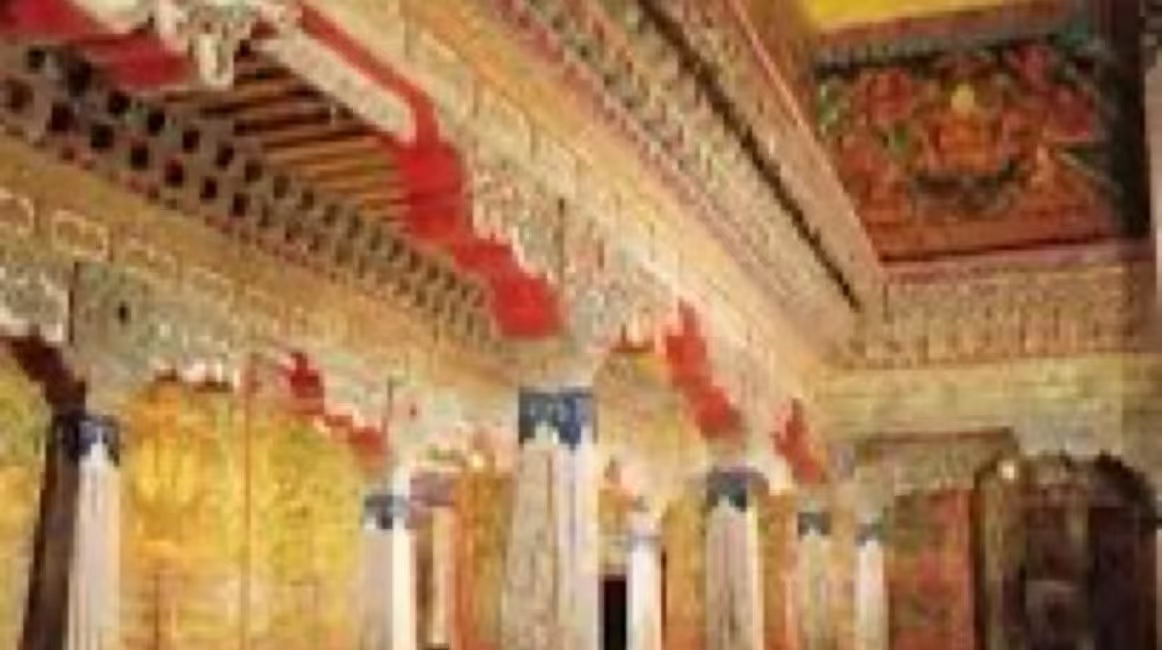
The site as seen today took shape largely in the 17th century. In 1645, the Fifth Dalai Lama, appointed by the Qing Dynasty government, began a grand reconstruction and expansion. The project involved craftsmen from various ethnic groups, including Tibetan, Han, Manchu, and Mongolian artisans, reflecting a history of cultural exchange. Upon its completion, the Potala became the political and religious center of Tibet.
Within its massive walls, the Potala Palace safeguards an immense and priceless collection of cultural relics, acting as a vast museum of Tibetan history and art. Its treasures include:
Ancient Scriptures: It holds the world's largest collection of Palm-leaf Manuscripts (Bhaja-sutra), rare Buddhist texts written on palm leaves. A major, decade-long conservation project is dedicated to their preservation.
Historic Artifacts: The palace preserves crucial historical evidence, such as imperial seals, appointment decrees, and edicts bestowed by Ming and Qing emperors, which attest to the historical relations between central authorities and Tibet.
Artistic Masterpieces: Countless thangkas (scroll paintings), statues, intricate murals, and exquisite silk textiles fill its halls. The murals vividly depict important historical events, such as Princess Wencheng's journey to Tibet and the Fifth Dalai Lama's visit to Beijing.
Today, the palace is protected as a UNESCO World Heritage Site (listed in 1994) and a National Key Cultural Relic Protection Unit. Preservation has entered a high-tech era. Teams now use drones, 3D laser scanning, and a network of over 1,000 sensors to digitally map the entire structure and monitor its stability in real-time. This allows for meticulous care while minimizing physical interference with the ancient fabric of the building.
To make its cultural wealth accessible, the palace has launched creative cultural products and collaborates with museums across China to exhibit its artifacts.
The Potala Palace is more than a destination; it is an enduring icon. It symbolizes not only the spiritual heritage of Tibetan Buddhism but also stands as a magnificent chapter in the story of Chinese civilization and human artistic achievement.

