


As autumn winds rise and osmanthus fragrance fills the air, the signature delicacy of Jiangnan autumn is undoubtedly the world-famous Yangcheng Lake hairy crab. Widely known as a premium crab treasure, it is a seasonal feast for the palate and a classic symbol of Jiangnan food culture. For thousands of years, with its rich roe and sweet, tender meat, the Yangcheng Lake hairy crab has been an indispensable delicacy on Chinese dining tables in autumn. When the annual autumn harvest season arrives, the aromatic hairy crabs bring the original flavor of lake freshness, unlocking the ultimate taste experience exclusive to autumn.
Unique Water and Soil: Forging the King of Crabs
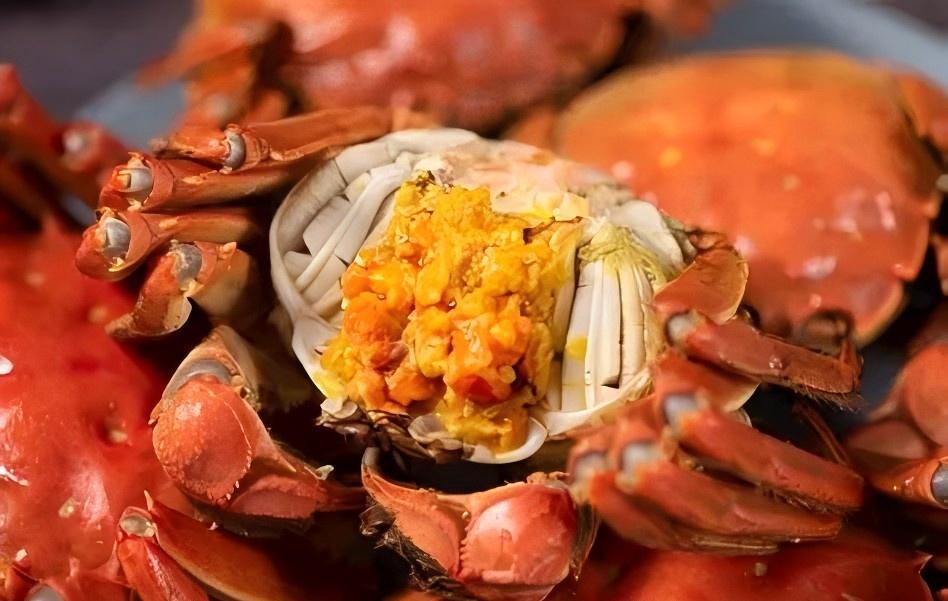
The superb taste of Yangcheng Lake hairy crabs comes from its irreplicable natural growing environment. Located in Suzhou, Yangcheng Lake features broad waters and crystal-clear water quality. The lake bottom consists of rare hard loam with thin silt, fundamentally preventing the crabs from absorbing a muddy fishy odor. Lush aquatic plants grow in the lake, together with abundant natural food including fish, shrimp and clams, supplying sufficient natural nutrients for the crabs. Coupled with slightly alkaline lake water, suitable water temperature and ample sunlight, the crabs enjoy a slow growth cycle to fully accumulate nutrients, resulting in firm, springy meat and rich, mellow roe and paste.
Authentic Yangcheng Lake hairy crabs have distinct identifying features: a dark green glossy carapace, snow-white belly, golden upright bristles on legs and strong golden claws. Fresh live crabs are energetic and crawl steadily. Their neat and firm appearance sets them apart from ordinary crabs, serving as an intuitive sign of superior quality.
Following the Rhythm of Seasons: Savoring Peak Freshness
Chinese people have long followed the traditional wisdom of eating seasonal food. The rule “female crabs in the ninth lunar month, male crabs in the tenth” is the core principle for tasting Yangcheng Lake hairy crabs. In the ninth lunar month, female crabs mature first. Their crab roe is plump, glossy golden, creamy and grainy, with rich fatty sweetness and pure fresh taste. By the tenth lunar month, male crabs reach full maturity. Their translucent crab paste is thick, chewy and sweet, paired with full, tight crab meat, hitting the peak of its flavor all year round.
Early-autumn crabs are not fully developed, with thin roe and weak taste, far from their best state. Only late-autumn crabs, nourished by lake water for a long time, accumulate adequate nutrients and deliver pure, intense flavor. This seasonal tasting custom is not merely food experience summed up by ancients; it embodies the philosophy of respecting nature and conforming to seasonal changes in Chinese cuisine.
Minimalist Cooking: Preserving Natural Sweetness
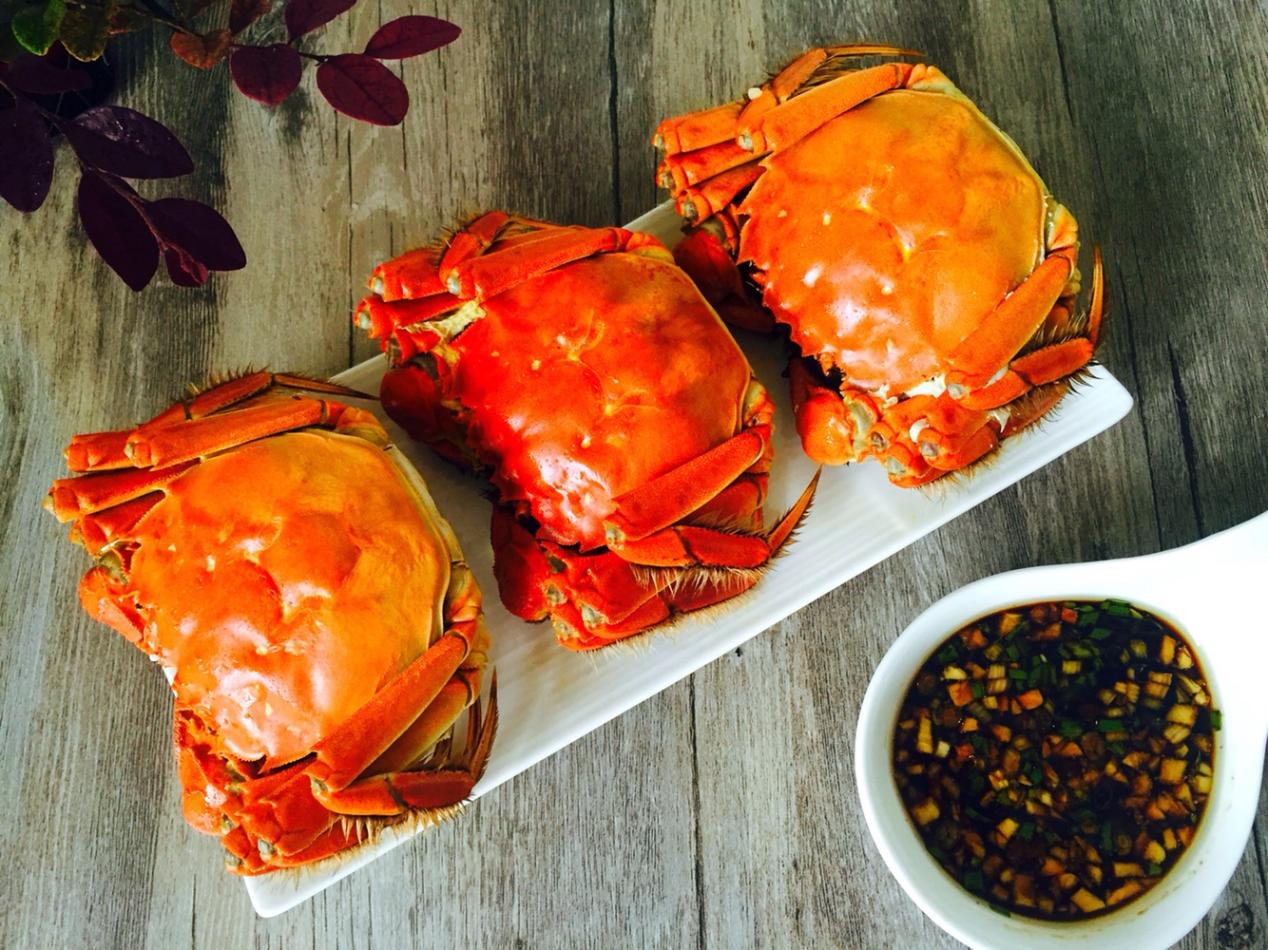
Top-quality ingredients require no complicated preparation. With tender flesh and inherent sweetness, Yangcheng Lake hairy crabs taste best when steamed, which retains the original fresh lake flavor to the maximum. Simply scrub live crabs thoroughly, place them belly-up in a steamer lined with perilla leaves, and steam with cold water. Perilla leaves remove fishy smell, enhance aroma and neutralize the cold nature of crabs, optimizing the whole dining experience.
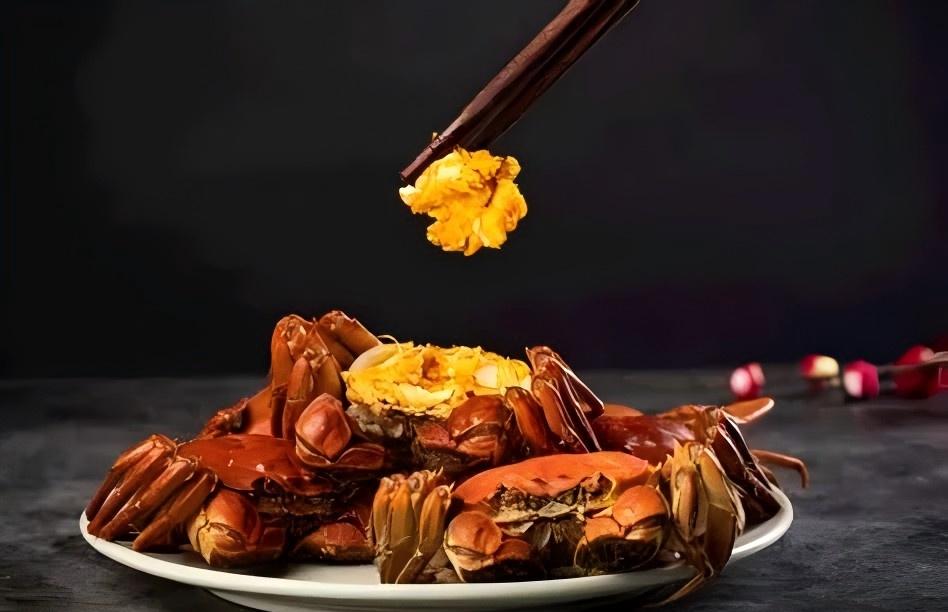
Steam on high heat for about 15 minutes. The green shells turn bright orange-red, releasing an overwhelming crab aroma. The steamed crab meat is snow-white, neatly striated and sweet with a lingering aftertaste; female crab roe is smooth and fragrant while male crab paste stretches silky strands. Serve with shredded ginger and black vinegar. The sourness cuts through the richness of roe and paste, and ginger warmth counteracts coldness. Layers of flavors interweave — fresh without fishiness, fragrant without greasiness, letting you taste the authentic lake delicacy in one bite.
Wise Moderation: Enjoy the Treat Safely
Hairy crabs are cold in nature. While enjoying this delicacy, we should pay attention to dietary rules and eat in moderation. Avoid pairing crabs with iced drinks or raw cold food to protect the spleen and stomach. A warm jujube-ginger tea after eating crabs helps dispel cold and warm the body, making it an ideal match. Besides, the gills, stomach, heart and intestines of crabs contain impurities and are cold in property; remove these parts completely before eating and only enjoy the pure meat, roe and paste.
There are simple tricks for selecting crabs. Among crabs of the same size, choose the heavier ones for fuller meat. Fresh crabs react quickly when touching their eyes and move actively. Hard, solid crab legs indicate abundant meat and low risk of empty shells, helping you avoid common pitfalls when buying.
A Crab Announces Autumn: Inheriting Jiangnan Elegance
A single Yangcheng Lake hairy crab carries not only delicious taste, but also the elegant heritage of Jiangnan cuisine spanning thousands of years. Since ancient times, literati and scholars loved autumn crabs and left numerous poems praising them, elevating crab eating from simple sustenance to a unique autumn ritual. In golden autumn, family and friends gather, steam several lake crabs, warm a pot of rice wine, slowly taste the sweet roe and paste and chat about autumn scenery. It is the most comforting earthly pleasure in Jiangnan.
Every autumn, crab fragrance comes as scheduled. The unparalleled delicacy nurtured by the clear water of Yangcheng Lake captures the freshness and tenderness of autumn. From nourishment by unique water and soil, seasonal appreciation, simple cooking methods to elegant and restrained crab-eating culture, Yangcheng Lake hairy crabs have transcended the status of mere ingredients. They have become an autumn mark rooted deep in Chinese people’s hearts, embodying the simplest romance and wisdom of Chinese food culture.

