


As an old Chinese saying goes, “Heaven above, Suzhou and Hangzhou below.” The exquisite grace of Hangzhou is fully embodied in the waters of West Lake. Listed among China’s Top Ten Scenic Spots and rated a 5A-level tourist attraction, West Lake was inscribed on the UNESCO World Heritage List in 2011 as an outstanding cultural landscape. Boasting no grand surges of rivers or seas, it features a unique pattern of “mountains on three sides and a city on the fourth”, perfectly integrating natural scenery with profound human heritage and interpreting the traditional Chinese landscape philosophy of “harmony between man and nature”. With one mountain, two pagodas, three islets and three causeways presenting changing views throughout the year, West Lake has long been the ultimate embodiment of Jiangnan beauty and a timeless symbol of elegant oriental poetry.
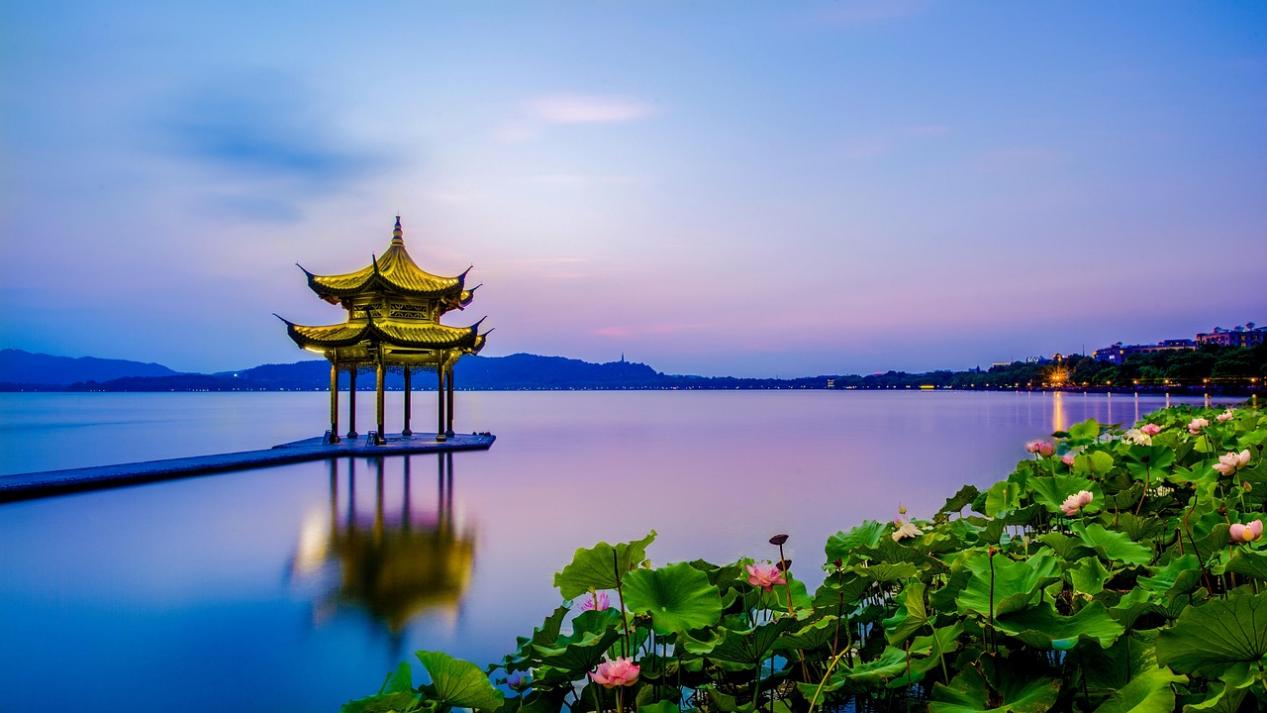
Nature’s Masterpiece: The Unique Landscape Pattern
Located in the urban area of Hangzhou, West Lake covers a water area of about 6.38 square kilometers. Shaped by thousands of years of dredging and renovation, it has formed a distinctive landscape layout. Surrounded by rolling green mountains on the northern, western and southern sides and bordering the bustling city to the east, the scenic area presents the classic view of “three sides of mountains embracing one side of lake and city”. The towering Precious Stone Mountain in the north, the gentle Sunset Hill in the south, and layered ridges in the west form a natural green barrier, holding the clear lake water in tender embrace.
Scattered across the lake are three islets and three causeways that shape its delicate water system. Yingzhou Islet, Lake Heart Pavilion and Huangong Pier rest quietly on the blue waves, serene and well-proportioned. The Su, Bai and Yanggong Causeways stretch across the lake, connecting the north and south with graceful embankments. Standing atop Precious Stone Mountain is the slender Baoshu Pagoda, while the grand Leifeng Pagoda perches on Sunset Hill. The two pagodas echo each other from afar, blending perfectly with green mountains, clear waters and pavilions to form a layered and profound ink-wash painting.
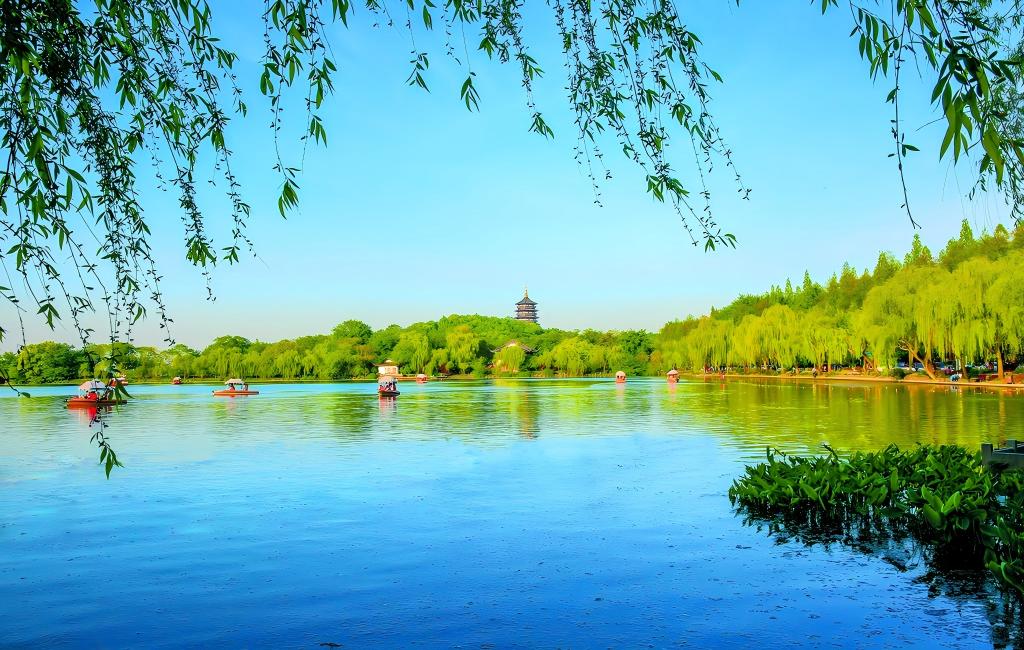
Poetic Seasons: Timeless Elegance of Jiangnan
The beauty of West Lake renews itself with every season and every hour, offering endless poetic scenes. In spring, the lake is at its most gentle and charming. Willows sway along the banks, peach blossoms bloom in clusters, and the Su and Bai Causeways are covered in blooming flowers and lush green grass. Warm breezes carry floral scents across the lake, filling the scenery with vigorous vitality. Shrouded in thin mist, mountains and pavilions appear faintly ethereal, embodying the timeless charm of subtle and refined beauty.
Summer brings serene freshness to West Lake. Layered lotus leaves stretch across the water, dotted with blooming pink and white flowers that send forth delicate fragrance. Amid chirping cicadas and rippling blue waves, the shaded causeways ward off summer heat. Boating on the lake, visitors enjoy gentle breezes and tranquil waters, experiencing the pure cool elegance of Jiangnan summers. Autumn blesses the lake with crisp skies and limpid water. Sweet osmanthus blooms along the banks, mountain foliage turns warm hues, and distant green mountains mirror floating clouds, creating a peaceful and poetic scene. After snowfall in winter, snow blankets causeways and ridges. The Broken Bridge dusted with snow presents simple, elegant serenity, revealing the quiet and refined temperament of Jiangnan landscapes.

Classic Scenic Spots: The Essence of Millennium Beauty
Polished by thousands of years of time, West Lake has nurtured the renowned “Ten Scenes of West Lake”, each with unique charm embodying the aesthetic tastes of ancient scholars. The ten classic views include Spring Dawn at Su Causeway, Snow Remains on Broken Bridge, Lotus Breeze at Curved Yard, Viewing Fish at Flower Harbor, Orioles Singing in the Willows, Sunset Glow at Leifeng Pagoda, Three Pools Mirroring the Moon, Autumn Moon over the Calm Lake, Twin Peaks Piercing the Clouds, and Evening Bell at Nanping Hill. Covering scenes of different seasons and times of day, they unite motion and stillness, reality and illusion.
As the most iconic view, Three Pools Mirroring the Moon features three stone pagodas standing gracefully on the lake. On clear nights, lamplight inside the pagodas, moonlight in the sky and reflections on the water interweave into a dreamlike fairyland. Sunset Glow at Leifeng Pagoda captivates viewers as golden dusk light bathes the pagoda, casting splendid reflections on the lake with profound artistic conception. The distant lingering bell of Nanping Hill echoes through valleys and over the water at twilight, purifying the soul and endowing the landscape with serene Buddhist charm.
Enduring Culture: Profound Historical Heritage
More than a natural landscape, West Lake is a fertile land accumulated with millennia of culture. Generations of literati and virtuous figures have wandered here, composing poems and transforming the terrain. During their tenure in Hangzhou, Bai Juyi and Su Shi dredged the lake and built causeways, curbing floods and creating the timeless Su and Bai Causeways, leaving behind numerous enduring poems. Famous poets including Yang Wanli and Lu You traveled the lake’s shores, composing masterpieces that integrate literature with landscape.
Moreover, timeless folk legends such as the Tale of the White Snake and the Butterfly Lovers endow West Lake with romantic warmth. Buddhist carvings at Flying Peak, the ancient serenity of Jingci Temple, and the scholarly heritage of Solitary Hill embed stories in every tree, every wave and every pagoda. Preserved and renovated through dynasties, West Lake grows increasingly beautiful in scenery and profound in culture. A world-famous natural and cultural treasure, it stands as a landmark of Jiangnan heritage and oriental aesthetics, narrating the gentle and glorious history of southern China through the ages.

