


Right now I'm standing in the spring breeze of Beijing, completely enveloped by a sea of soft white and pale purple. I have never seen such a breathtaking flower before—it has a beautiful Chinese name, Yulan magnolia. Before coming to Beijing, I imagined spring in this city countless times, but I never thought I would be touched to the core by such a flower.
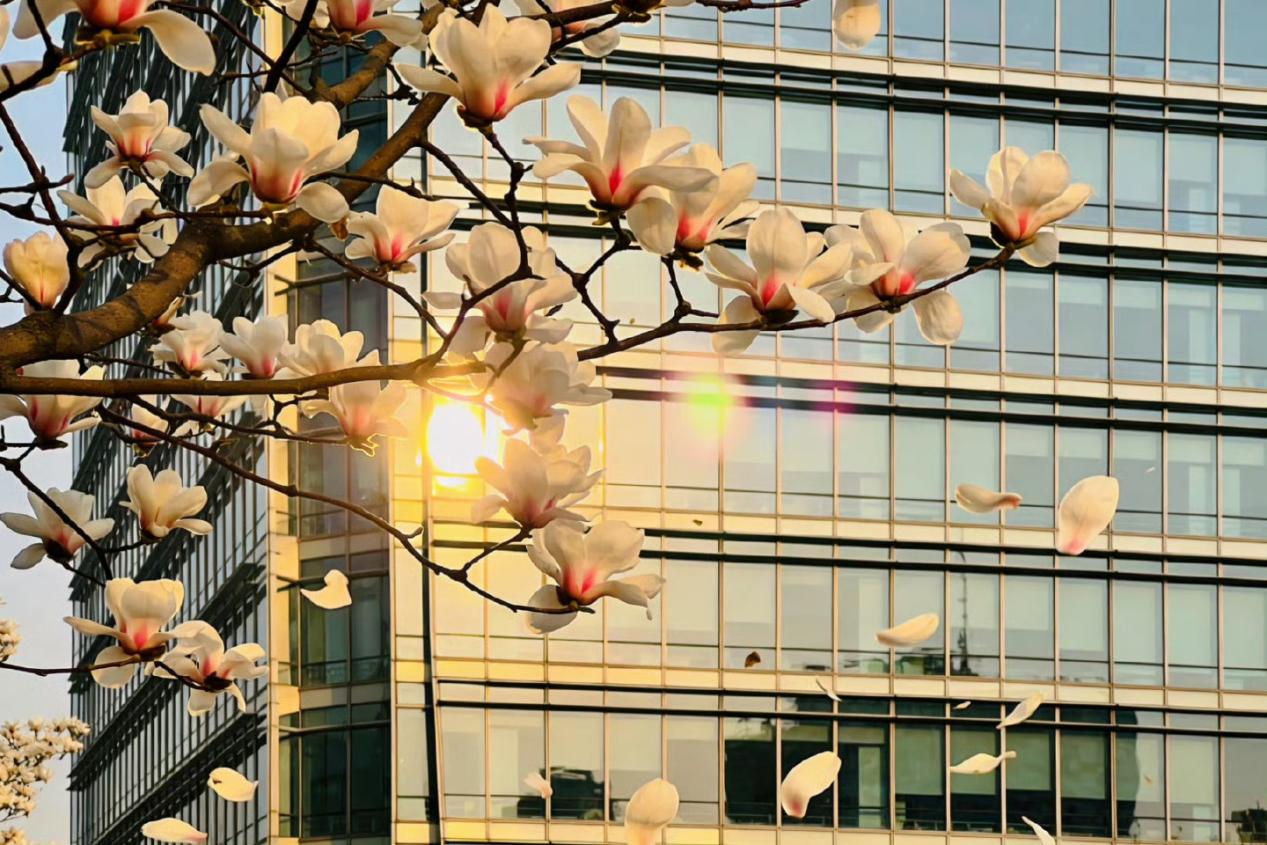
It's now early spring in Beijing. The cold hasn't completely faded yet, and the leaves on the branches haven't sprouted yet. Yet the Yulan magnolias are already blooming bravely. I saw them beside the Hall of Benevolence and Longevity in the Summer Palace, encountered them in the ancient Zen courtyard of the Dajue Temple, and even spotted a few graceful figures along the streets. Unlike other flowers I've seen that bloom in clusters, each Yulan magnolia stands alone on the bare branches. Its large petals stretch out like white birds about to take flight, or like warm white jade. Sunlight shimmers on them, revealing their delicate textures. When the wind blows, the petals tremble gently, and the air is filled with a faint, clear fragrance—not strong, but making people stop to take a deep breath, etching this sweet spring moment into their memories.
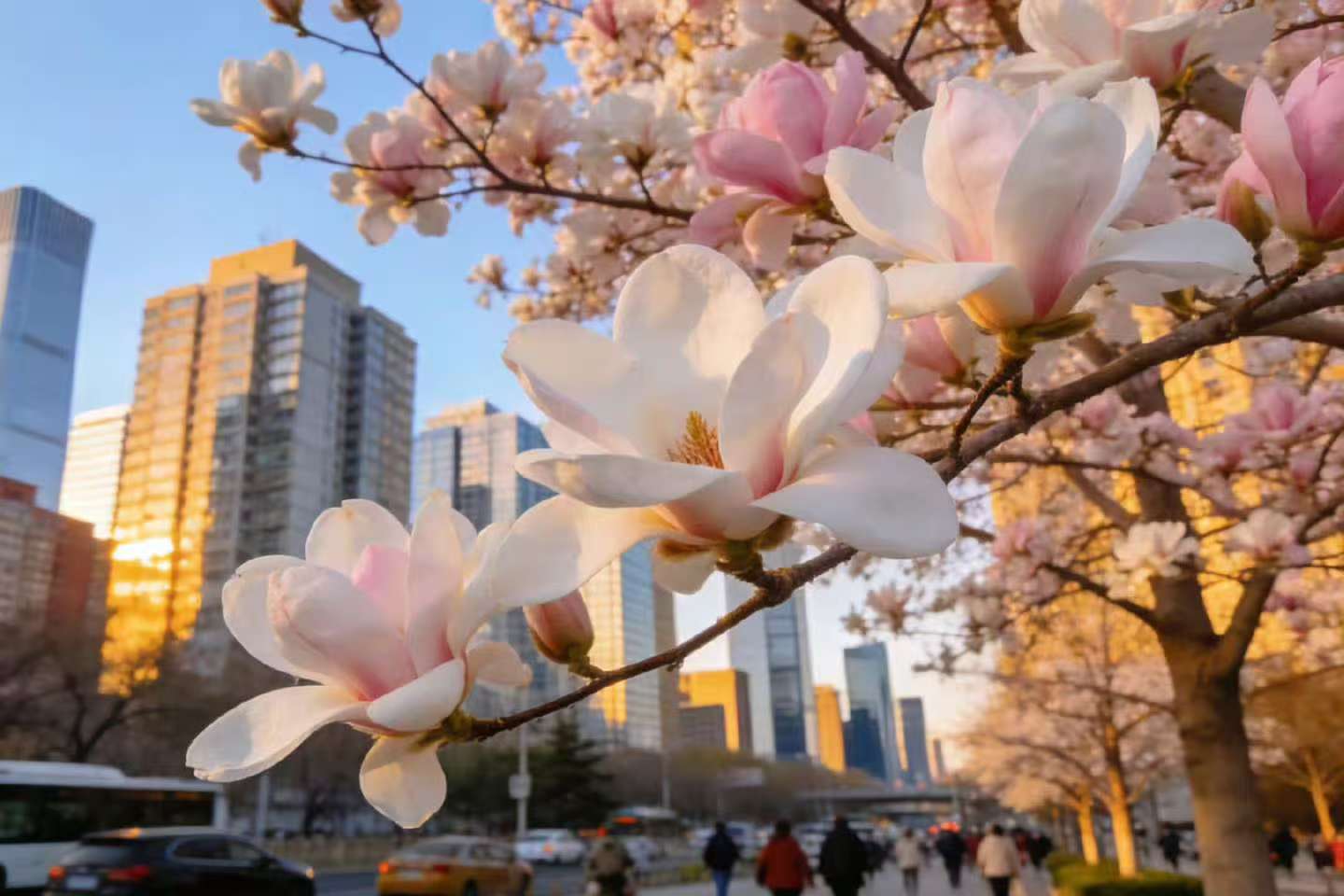
Dear friends, I must introduce this amazing flower to you properly. The Yulan magnolia has a very long history in China, with a cultivation history said to date back over 2,500 years. It's also known as the "Spring-Watching Magnolia" because it always blooms first in early spring, as if announcing the arrival of spring and symbolizing vitality and hope. Its petals are large, commonly white and purple, and there's also a pink-and-white variety called the "Two Beauties Magnolia," named after two ancient Chinese beauties, exquisitely beautiful.
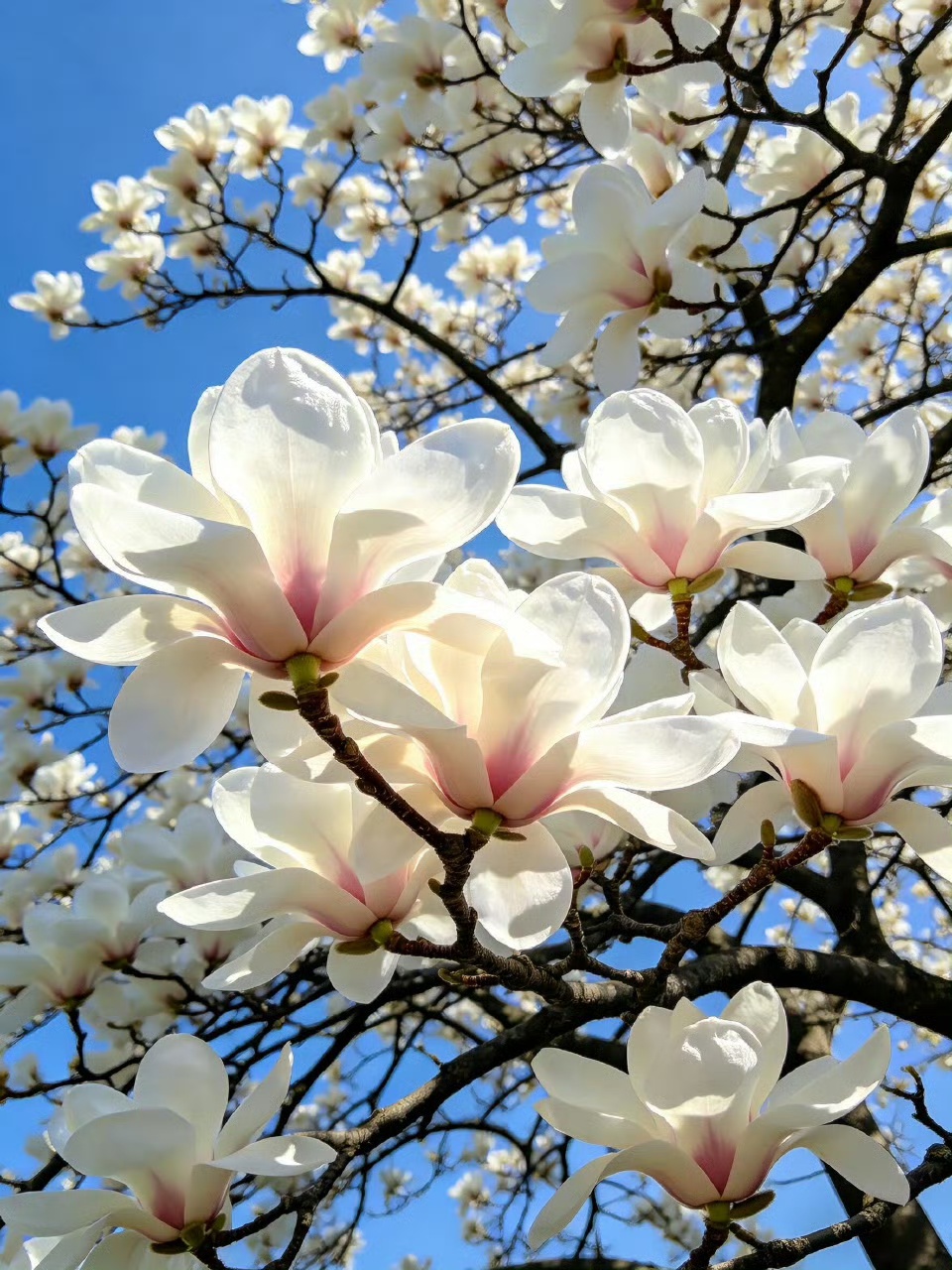
What fascinates me even more is the meaning behind the Yulan magnolia. In Chinese culture, it symbolizes nobility and purity. The ancients wrote, "Comparing it to other flowers, it's truly pure and bright; a heart like ice blossoms in the morning breeze," comparing it to a gentleman and praising its character of blooming alone in the cold without competing with other flowers. It also carries beautiful blessings. People often plant Yulan magnolia with crabapple, peony, and sweet osmanthus, symbolizing "Nobility, Wealth, and Prosperity," hoping for a happy and auspicious life. In Beijing, there are also several century-old Yulan magnolias. For example, the white magnolia in the Dajue Temple, said to have been planted by a Chan master of the Qing Dynasty, is nearly 300 years old. When it blooms every year, the whole tree is covered with white flowers, blending harmoniously with the Zen atmosphere of the ancient temple, as beautiful as an ancient painting.
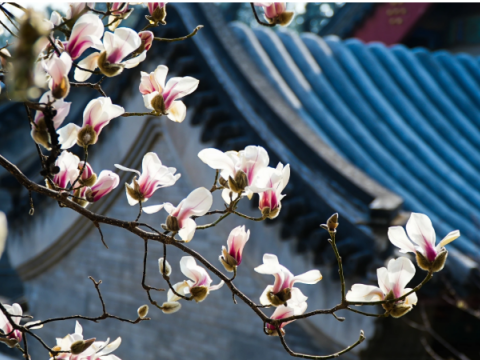
I often sit under the magnolia trees, watching the petals unfurl one by one, and listening to the people around me talk about its stories. Only then did I realize that this flower hides the Chinese people's pursuit of beauty and admiration for character. Its flowering period is short, only about a week, but it tries its best to bloom, decorating spring with the purest posture. This short yet warm beauty reminds me of a saying: Beauty never fades because it's short; instead, it becomes more precious because it's cherished.
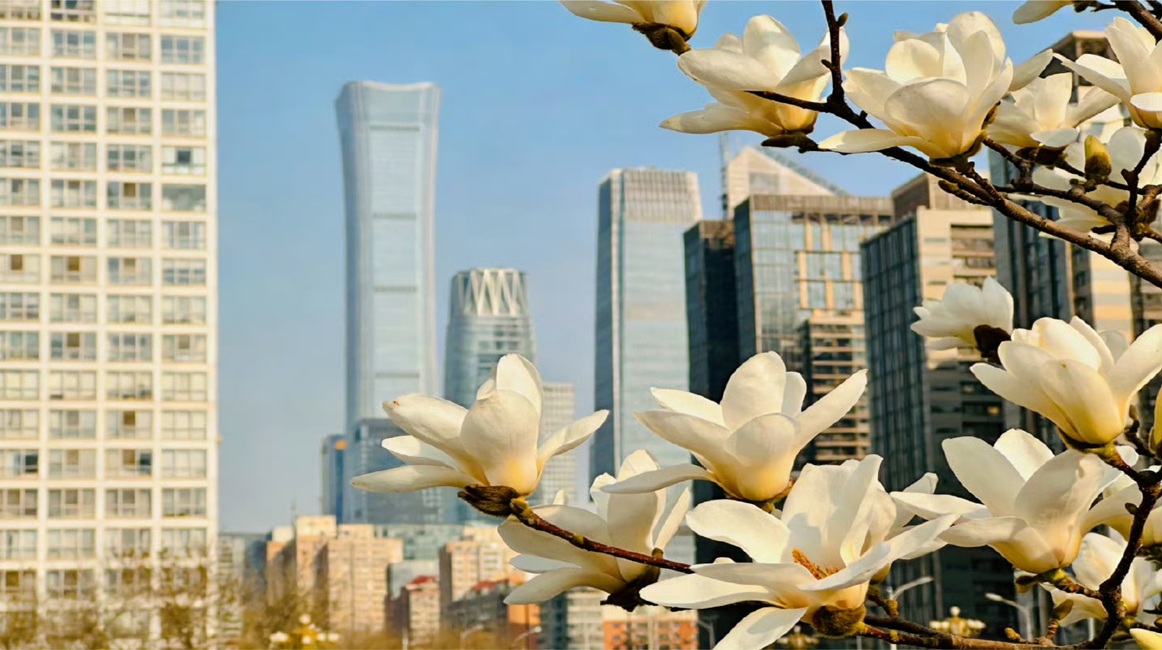
Dear friends, if you have the chance to come to Beijing, be sure to see the Yulan magnolias in spring. You don't need to look far—they might be blooming beside the red walls of the imperial gardens, in the courtyards of ancient temples, or on the ordinary streets, greeting everyone who loves spring with the softest gesture. When you see it with your own eyes, I believe you will be as deeply moved by its purity and elegance as I am, and understand why the Chinese people love this flower so much—it is not just a flower, but a messenger of spring, a symbol of beauty and hope, and the most touching scenery in Beijing's spring.

