


Chinese ceramic art, rooted in clay and shaped by fire, embodies the craftsmanship and cultural heritage of Eastern nations through the subtle blending of water and clay, as well as the intense firing in kilns. It is not only the highest expression of handcraftsmanship, but also a vivid vehicle for understanding China’s intangible cultural heritage (ICH). Every step embodies natural philosophy, every transformation carries cultural codes, and the silent dialogue between clay and fire reveals the profound legacy and vibrant vitality of Eastern civilization.
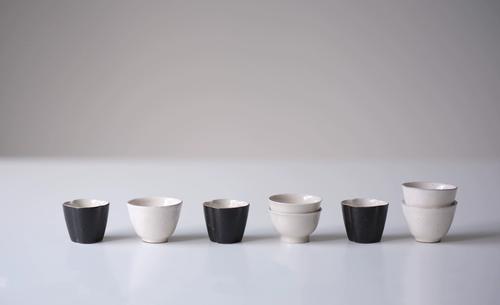
The foundation of ceramic craftsmanship is deeply rooted in the ICH concept of "harmony between humans and nature," reflecting a sincere respect for nature and alignment with regional characteristics. Craftsmen select clay based on local ecology, leveraging the unique qualities of different clays: Jingdezhen’s Gaoling clay, pure and fine, lends white porcelain its jade-like smoothness and mirror-like luster; Yixing purple clay, rich in minerals, is the top choice for teaware due to its excellent breathability; the local porcelain clay used in Ru Kiln, with just the right iron content, lays the groundwork for its iconic sky-blue hue, often described as "the blue of the sky after rain breaks through clouds." This selection is more than just material choice—it is ecological wisdom passed down through generations. Craftsmen work with soil textures and mineral distributions, turning nature’s gifts into an artistic foundation that preserves the clay’s essence while setting the stage for subsequent steps. In the initial process, kneading clay requires repeated pressing and folding to remove impurities and homogenize its texture, much like organizing natural rhythms; aging clay allows water and clay to blend fully, resting until the material reaches its best condition. This unhurried process echoes the Eastern philosophy of "working with the flow," demonstrating deep respect for natural laws in ICH craftsmanship.
Shaping is a deep synergy between craftsmanship and material, embodying the Eastern aesthetic of "balance between emptiness and substance." During wheel-throwing, as the turntable spins, craftsmen balance the clay’s tension with controlled force, transforming formless clumps of clay into vessels that blend structure and artisanal fluidity. Every piece has a unique rim curve and body line—a warm, handcrafted quality that mass mechanical production cannot replicate. Pinching and coiling offer even more creative freedom: without complex tools, craftsmen use the clay’s stickiness and flexibility to shape lifelike forms or thick, rustic pieces. Each layer of clay strips and every press of the fingertips gives the clay natural textures and growth rhythms, as if unlocking the clay’s inherent vitality. This shaping technique does not pursue uniformity, but rather balances "human craftsmanship" and "natural beauty," aligning with the core Chinese cultural value of "harmony in diversity" and highlighting the agility and depth of ICH craftsmanship.
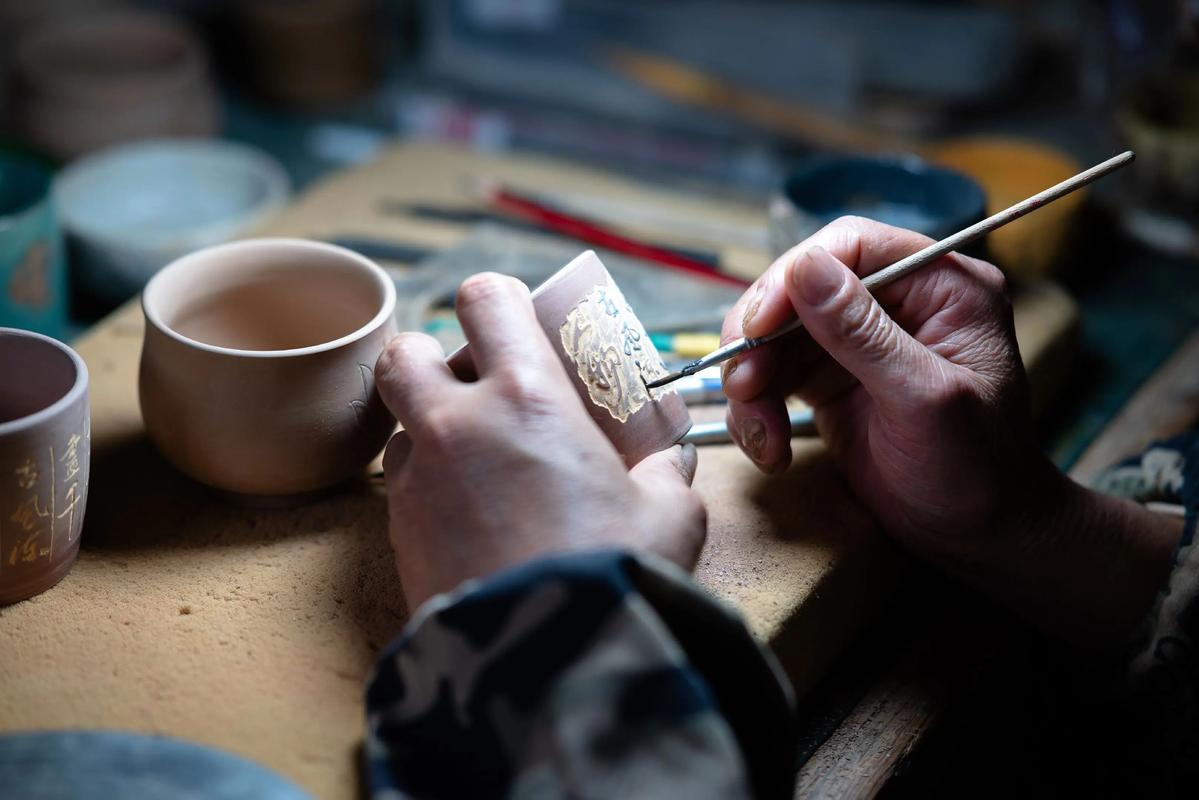
Decorative craftsmanship is a tangible reflection of ceramics’ cultural meaning—every pattern and glaze color carries thousands of years of cultural significance. Techniques like carving, scratching, painting, and pasting are executed with meticulous care: continuous meander patterns symbolize "endless blessings and longevity," intertwined lotus motifs represent "eternal vitality," and mythical beast designs convey good wishes. These patterns draw inspiration from traditional calligraphy, painting, and folk customs, turning abstract ideals into concrete symbols and making the vessels mobile carriers of culture. Glaze mixing is a core craft passed down through generations—from Ru Kiln’s sky-blue and Guan Kiln’s pale blue to Jun Kiln’s red-speckled kiln transformations and blue-and-white porcelain’s cobalt hue. Each glaze formula has undergone centuries of refinement, requiring precise mineral ratios and a craftsman’s deep understanding of fire and temperature control. For example, blue-and-white porcelain’s underglaze painting involves outlining patterns on unglazed clay with cobalt pigment, then applying a transparent glaze and firing at high temperatures. The cobalt fuses with the glaze, creating an elegant gradient of blue that is both decorative and durable. This perfect blend of craftsmanship and aesthetics is the essence of Chinese ICH.
Firing is the final transformation of ceramics. The traditional slow-firing process in wood-fired kilns embodies an irreplaceable essence of craftsmanship. Wood burning not only provides heat, but also creates a unique oxidizing environment in the kiln, triggering complex chemical reactions in the glaze that produce distinct colors and textures. There is no fixed quantitative standard for controlling fire—craftsmen rely entirely on years of experience and intuitive judgment of flame color and smoke density. Knowing when to heat up, hold temperature, or cool down is a craft passed down through generations—a hand-controlled precision that mechanical firing cannot duplicate. Kiln transformations add a touch of natural beauty: glazes flow and blend at high temperatures, forming stunning textures reminiscent of mountain streams or sunsets, with each transformation being a one-of-a-kind gift from nature. Today, traditional craftsmanship coexists seamlessly with modern temperature control technology, preserving artisanal roots while adapting to contemporary needs and keeping ceramic ICH vibrant through innovation.
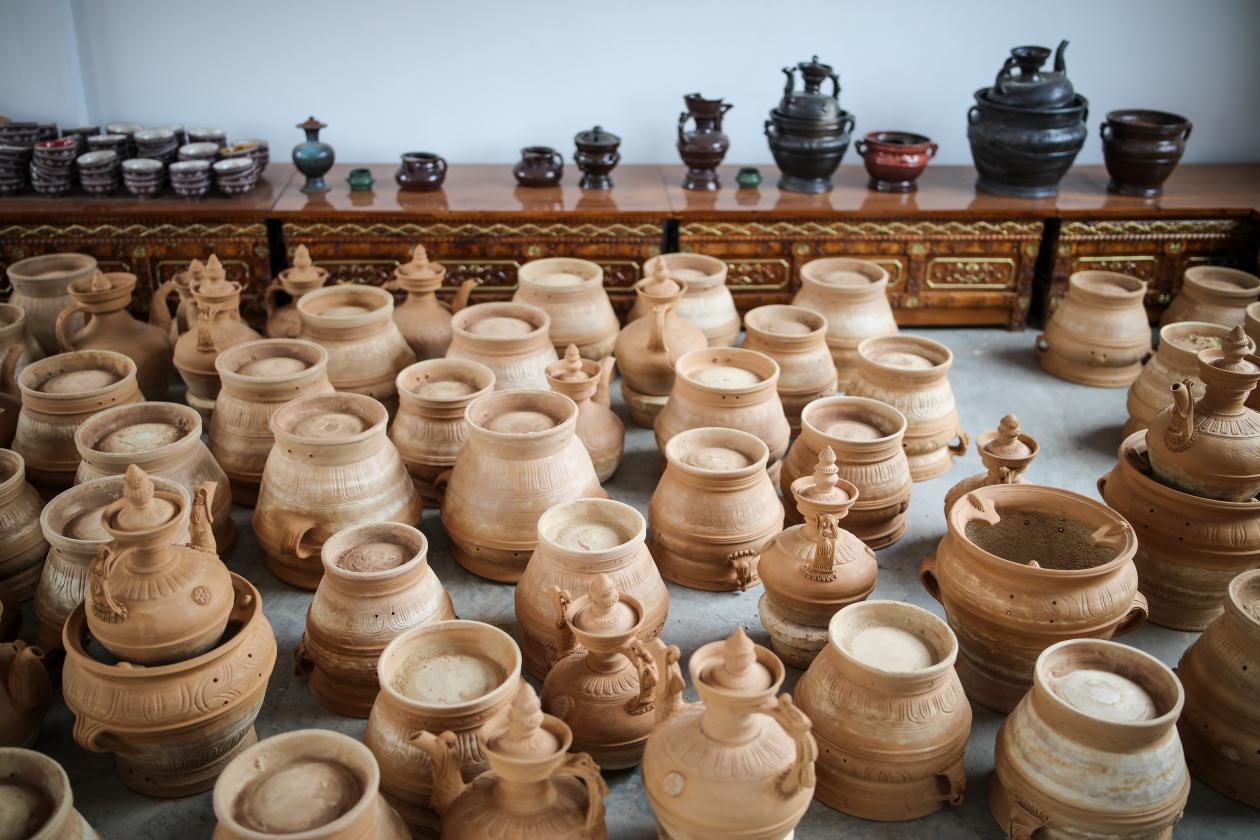
Chinese ceramic ICH forms a complete system of "nature, craftsmanship, and culture," and the unique techniques of different kilns together create a diverse and inclusive landscape of ICH. It is more than just a practical craft for daily use—it is an artistic expression of aesthetic pursuit and embodies the philosophical ideas of Eastern nations. This thousand-year-old craft heritage has never become a static museum exhibit; instead, it absorbs contemporary vitality through generations, preserves its cultural legacy through dedication and innovation, and serves as an important window into the timeless wisdom and vibrant vitality of Eastern civilization.

