


Nestled in the Ganshiling Rainforest at the border of Sanya and Baoting, Binglang Valley is a national 5A-level cultural tourist attraction featuring Li and Miao ethnic groups. The long narrow valley is dotted with tall areca nut trees, flanked by dense primeval rainforests, hence its name. As Hainan’s largest and best-preserved settlement of indigenous peoples, it is more than a scenic spot but a living museum carrying thousands of years of Li and Miao history, safeguarding the cultural origins of the island’s native ethnic groups.
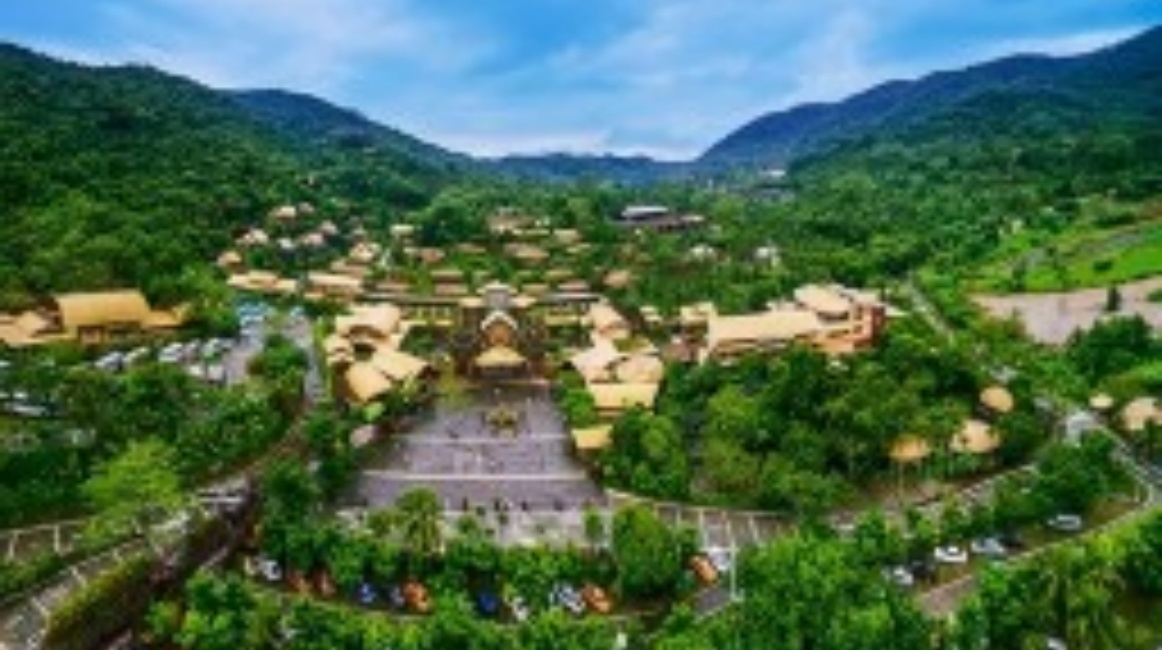
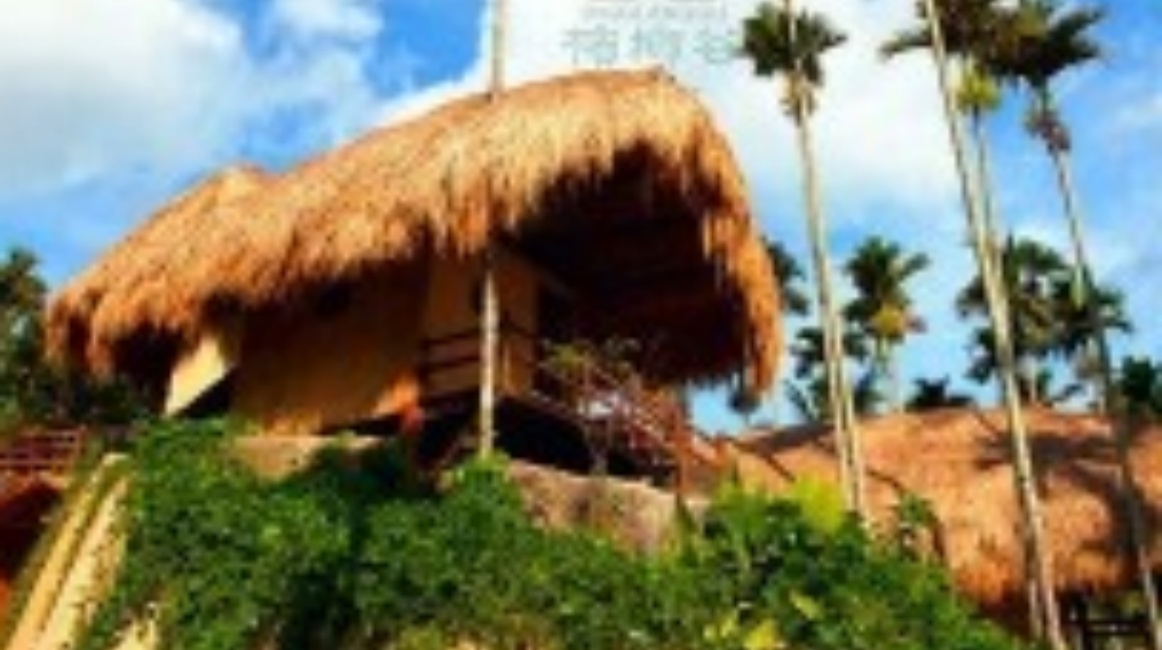
Stepping into Ganshi Li Village, the eye-catching boat-shaped houses stand out. These dwellings with thatched roofs and bamboo-wood frames echo the memory of Li ancestors crossing the sea, and local Li people still live here generation after generation. Octogenarian women with traditional facial tattoos wander around, their ancient markings exclusive cultural symbols of the Li people. Intangible cultural heritage inheritors weave Li brocade under eaves, creating frog and deer patterns hailed as "history books worn on the body". Age-old crafts such as bark cloth and primitive Li pottery are fully displayed here.
Home to two ethnic groups, Guyin Miao Village next to Li Village showcases distinctive Miao customs. Stilt houses clinging to hills scatter across woods, where craftsmen forge heavy silver headdresses and delicate Miao embroidery, reviving ancient traditions of hunting and prayer. Daily Miao stunts including walking on knife blades and crossing fire reflect the ethnic group’s bravery. The grand live show Rhythm of Areca Nuts stages epics of Li and Miao migration through singing and dancing, depicting fire drilling, rice pounding and wedding rituals against the rainforest backdrop.
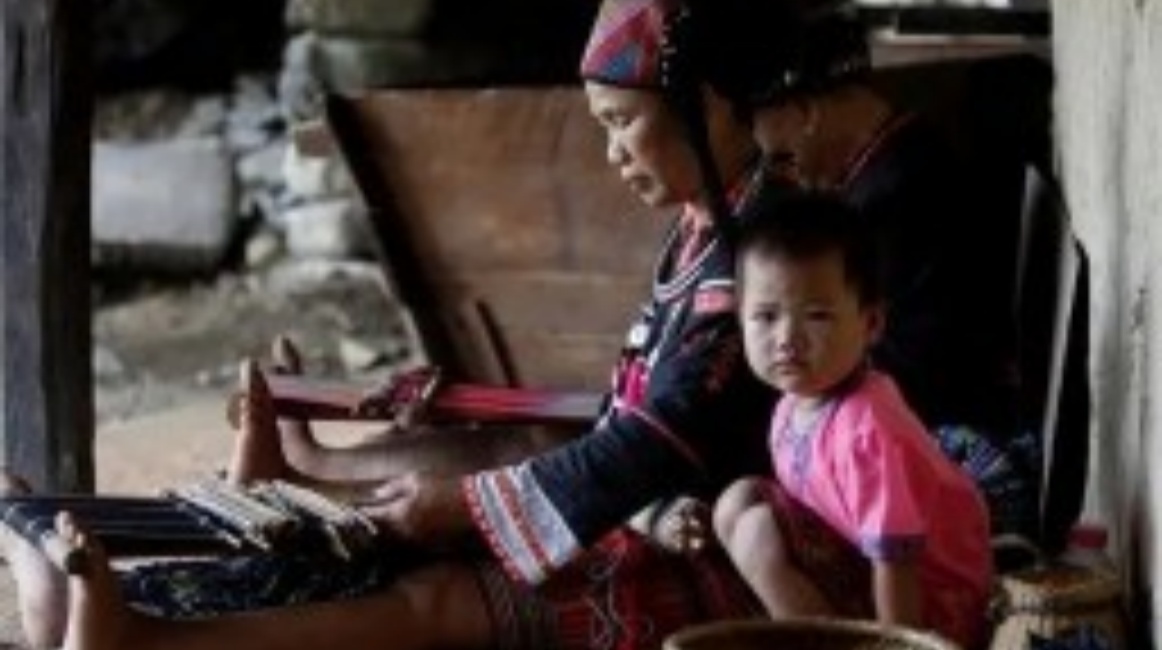
Cultural experiences permeate daily life in Binglang Valley. The Li abide by an ancient custom: no areca nut, no courtesy; no areca nut, no marriage. They treat guests with areca nuts, mountain rice wine and partridge tea. The food street serves original-flavored delicacies like five-color glutinous rice, bamboo tube rice and wild mountain vegetables. Visitors can try brocade weaving and pottery making, join lively bamboo pole dances, and immerse themselves in the sincere hospitality of local ethnic minorities.
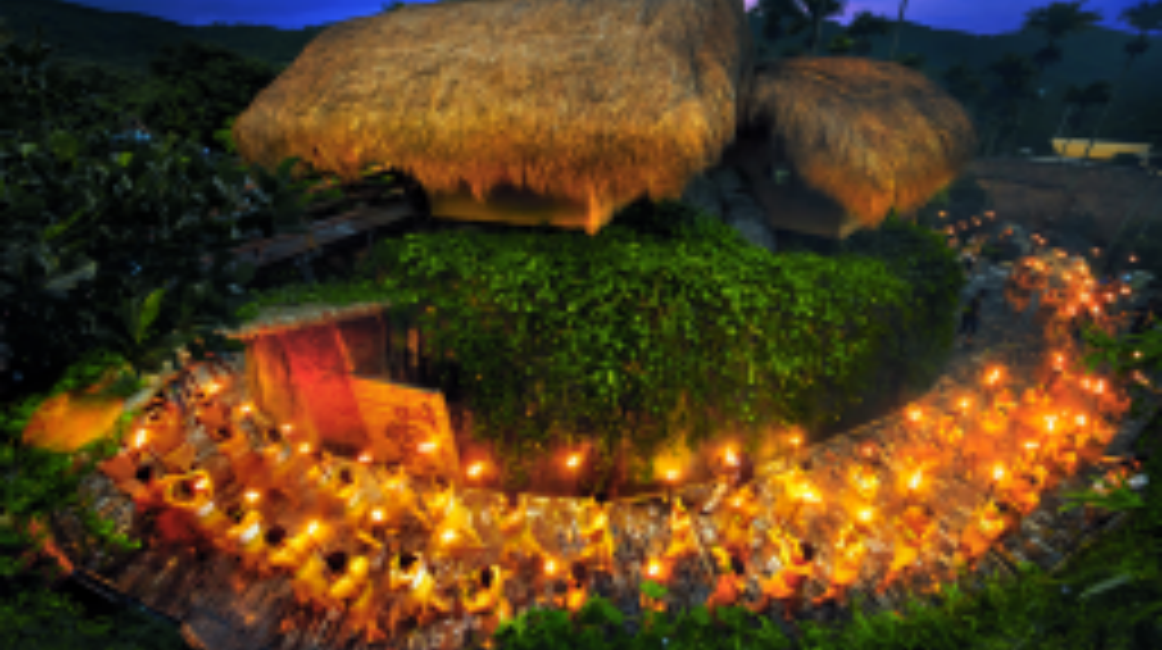
Blending rainforest scenery and profound ethnic culture, Binglang Valley has become a landmark cultural tourism brand of Hainan Free Trade Port. Wander along mountain trails, breathe fresh air rich in negative oxygen ions and watch swaying areca nut trees. Guests may stay in orchid wooden cabins tucked in mountains, listening to streams and insects. More than a mere scenic destination, it protects ethnic intangible heritage through living inheritance, showing tourists that Hainan boasts not only beaches and blue seas, but also a 3,000-year-old splendid culture of the Li and Miao peoples.

