


Nestled at the foot of the Doupeng Mountain in Huaxi, Guiyang, China, lies a fantasy realm built of stones and imagination — Huaxi Yelang Valley. Covering more than 200 mu, it is not an ancient relic with a thousand years of history, but an artistic marvel crafted painstakingly by artist Song Peilun over nearly three decades, stone by stone and tile by tile. Transformed from a remote karst barren mountain into a national 3A-level scenic spot, he used local materials and his own efforts to solidify his reveries of the ancient Yelang civilization into an immortal epic of sculptures amid mountains and wilderness.
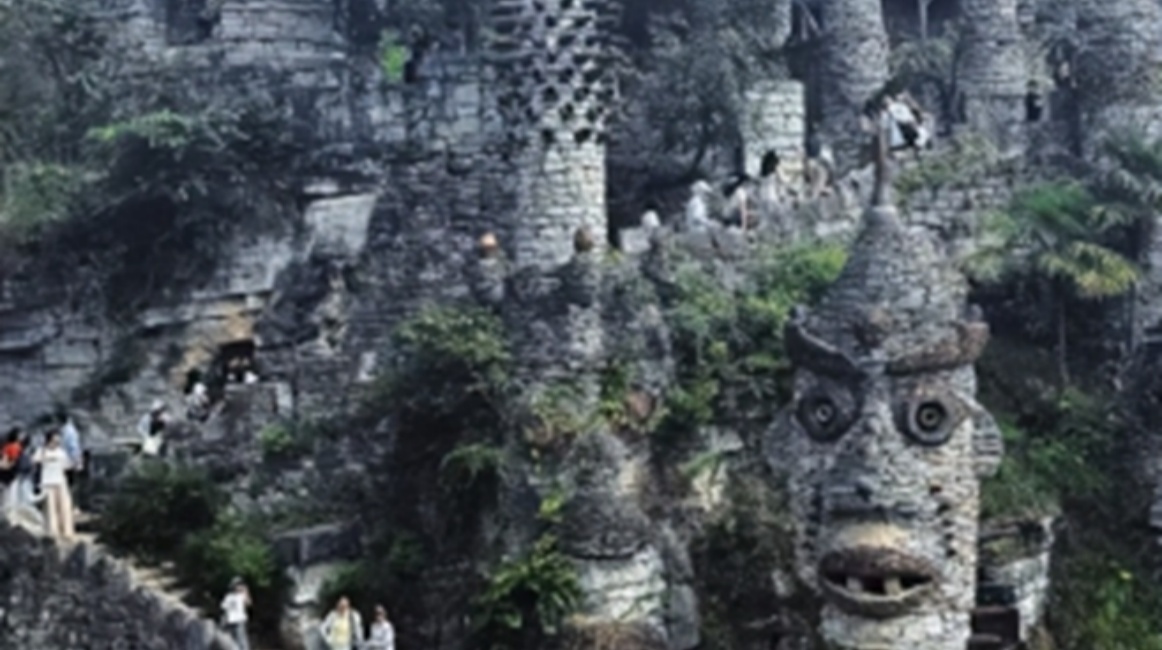
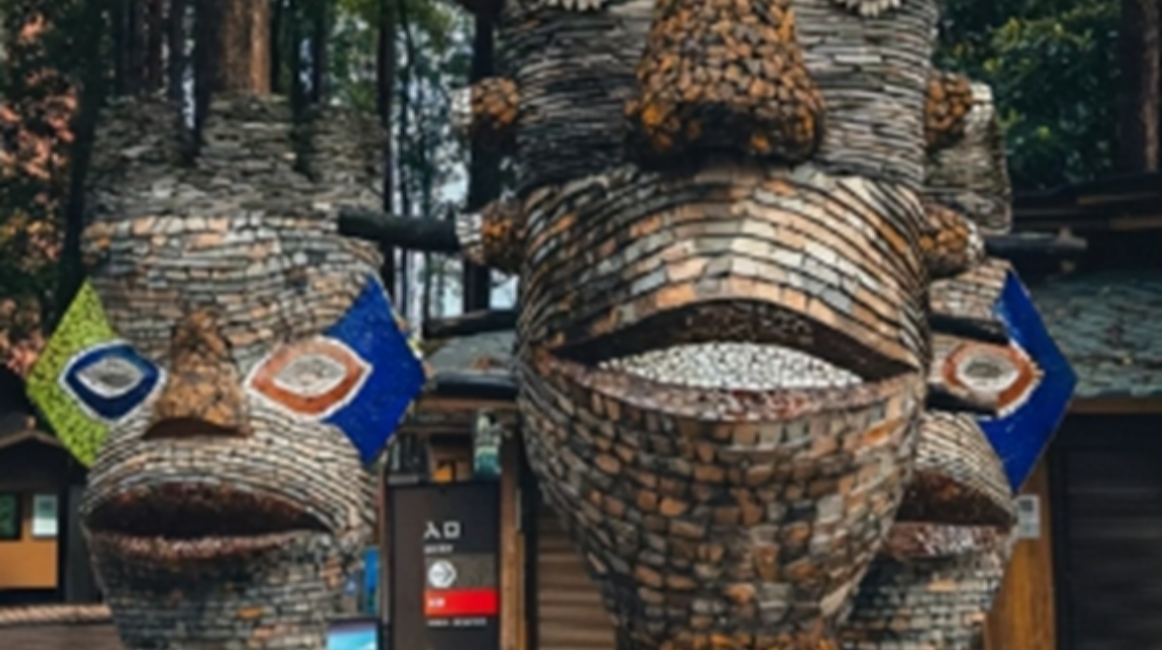
The soul of Yelang Valley lies in over 300 giant stone totems several meters tall. Inspired by the ancient Nuo opera masks of Guizhou, these stone statues are pieced together with broken stones, pottery shards and earthen jars. With exaggerated and bizarre expressions — some staring and baring teeth, others sticking out their tongues and smiling — they are primitive, bold and full of childlike fun. Standing along both banks of the river like guardians of the ancient Yelang Kingdom, they silently tell the mysterious legends of the lost ancient state, with every carving engraved with the wild charm of Nuo culture.
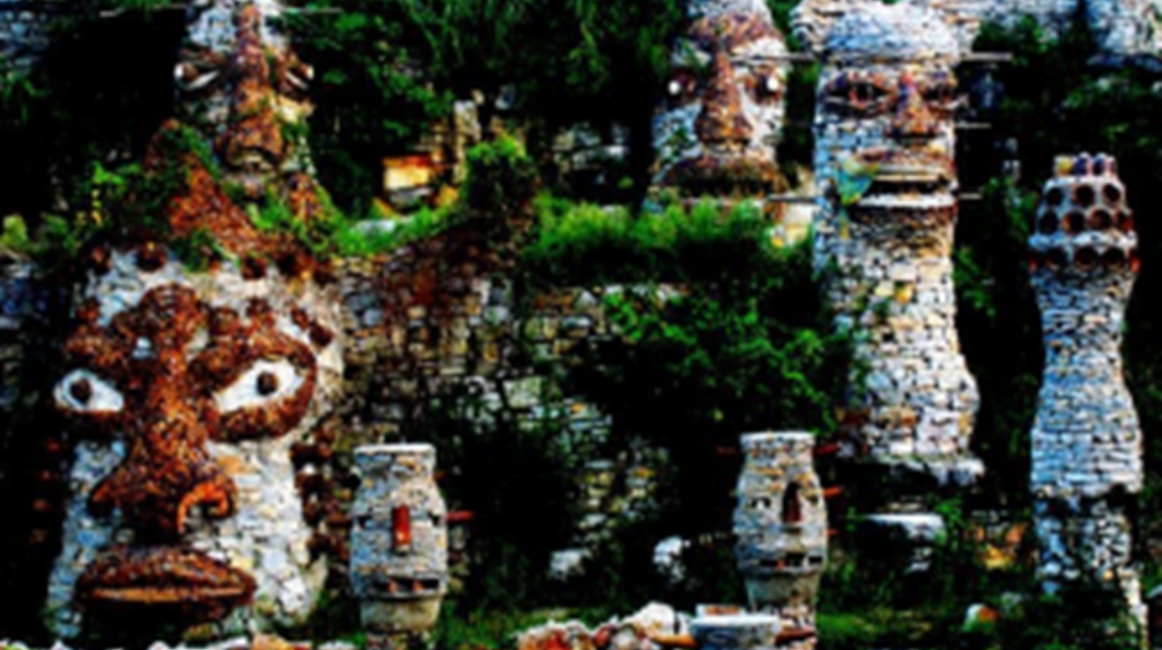
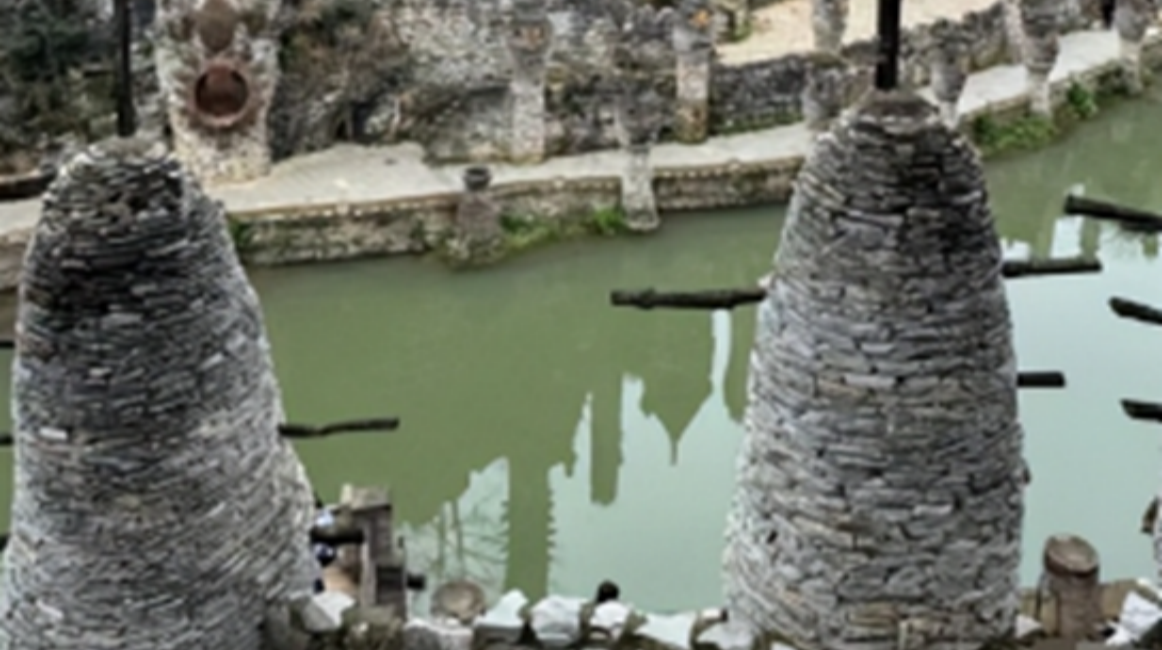
The Siyi River runs through the valley, connecting stone castles, stone bridges and stone walls. Green vines twine around the stone fortresses, and moss covers the stone walls. The emerald river mirrors the grotesque stone statues and floating clouds, blending landscapes and sculptures into one integrated whole, as if growing naturally out of the mountains and forests. Free from excessive commercial renovation, it boasts a 65% greening rate and unrestrained wild charm, a hidden wonder where art and karst ecology coexist in perfect harmony.
Behind the idiom "being arrogant like Yelang" lies the once splendid civilization of the ancient Yelang Kingdom. Taking stones as his medium, Song Peilun breaks historical prejudices and reshapes the imagination of Yelang culture. Totems such as the sun, birds and snakes on the statues integrate the beliefs of ethnic minorities including the Miao and Buyi peoples. Stone houses and ancient castles replicate the architectural style of Yelang, bringing the vanished civilization to life in the wilderness. Every stone pays tribute to local culture, and every sculpture conveys a profound retrospect of ancient history.
Now in his eighties, Song Peilun still keeps creating, turning Yelang Valley into a "living art museum". There are no cold cultural relics here, only sincere craftsmanship and endless imagination. Stepping into Yelang Valley is entering a millennium-long wilderness fantasy. Wandering among the stone formations, listening to the murmuring stream and gazing at the solemn stone statues, one seems to touch the soul of the ancient Yelang and feel the eternal vitality where art and nature grow together.

