


I. The Urban Rebirth of a Thousand-Year-Old Duck Cuisine
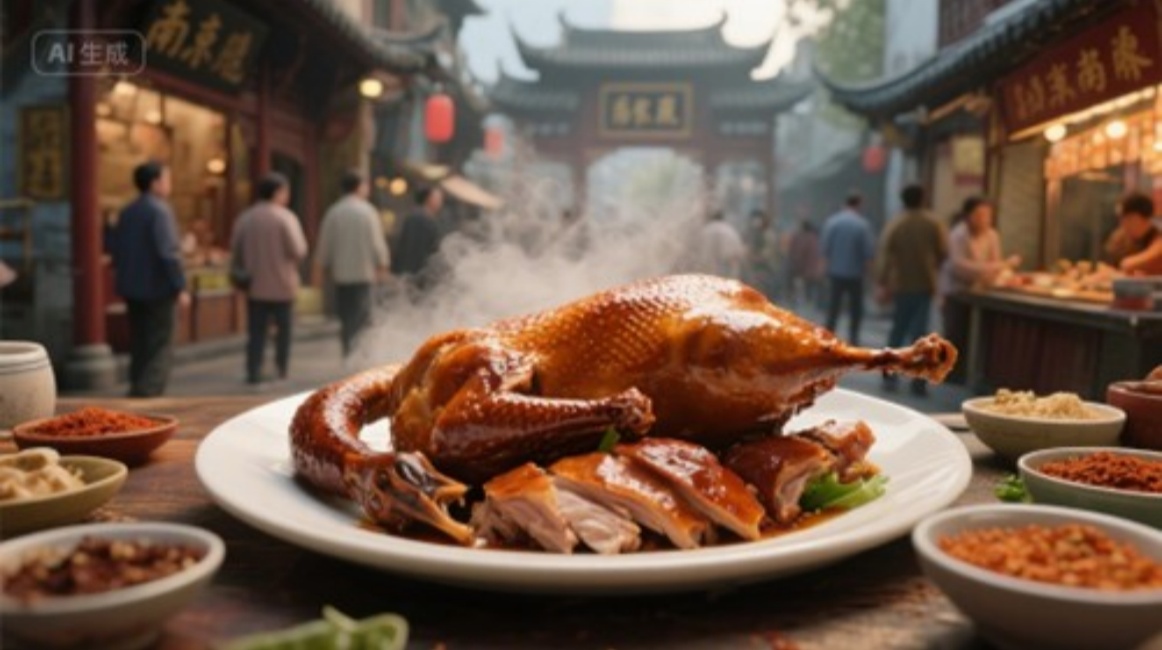
The culture of duck-based dishes in Nanjing, China, has long been etched into the city's fabric. From the "stewed wild duck soup" ("Er Fu") of the pre-Qin period to the imperial duck delicacies of the Ming and Qing dynasties, the reputation of Jinling (Nanjing's ancient name) as the "City of Ducks" has endured for millennia. Though seemingly a modern creation, Duck Blood Vermicelli Soup holds the code of a century-old heritage — during the Republican period, small stalls selling duck blood soup lined the streets of southern Nanjing, where boiling duck blood and intestines in clear water, sprinkled with chopped green onions, was a favorite among locals. It was not until the 1990s that vendors at Confucius Temple added vermicelli to enhance satiety, transforming the clear broth into a rich, creamy soup. This snack thus completed its final metamorphosis, evolving from street stalls to gain nationwide popularity and becoming a culinary symbol embodying Jinling's flavors.
II. The Soul Code of a Bowl of Rich Broth
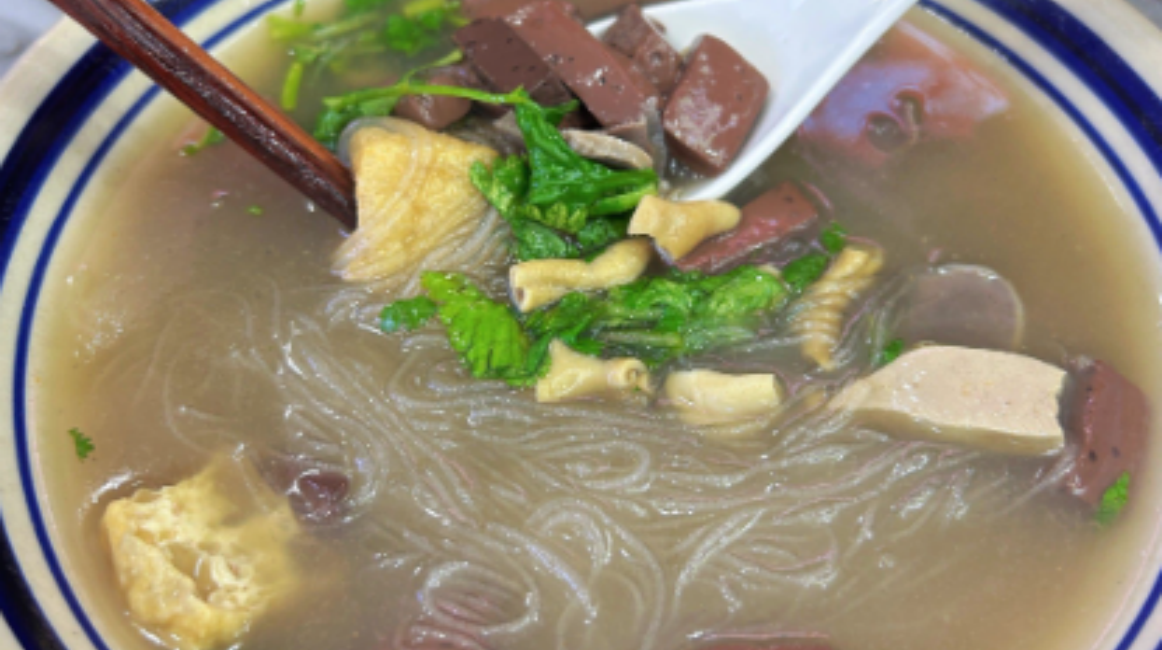
The essence of Duck Blood Vermicelli Soup lies entirely in its slow-simmered broth. Traditional restaurants adhere to the principle of "using ingredients in their prime," simmering whole ducks and duck bones with ginger slices and green onion segments over low heat for more than four hours. Some even add a touch of Chinese herbal spices, resulting in a milky-white broth that is fresh yet not greasy, mellow yet not turbid. After drinking, the mouth remains moist with a lingering aftertaste. This broth is not merely the base of flavor but also a accumulation of time — the marrow from duck bones, the fat and moisture from duck meat fully blend, engraving the essence of "freshness" into every drop. It lays a solid foundation for the subsequent combination of ingredients, which explains why old Nanjingers say, "Drink the soup first, then eat the ingredients" is the golden rule for tasting.
III. A Textural Symphony of Three Delicacies and One Strand
An authentic bowl of Duck Blood Vermicelli Soup boasts an exquisite combination of ingredients. Duck blood is sliced as thin as paper, so tender that it trembles when picked up, releasing a sweet flavor upon biting; duck intestines are repeatedly rinsed with salt and white vinegar, crisp and odorless, producing a crisp sound when chewed; duck liver is dense and moist, without the slightest dryness, its rich liver aroma perfectly merging with the soup's freshness. The white sweet potato vermicelli serves as the ideal carrier, absorbing the rich broth until it is soft yet not mushy, smooth yet not greasy. Slurping it down in one go, the tenderness of duck blood, crispness of duck intestines, creaminess of duck liver, and silkiness of vermicelli interweave in the mouth. Topped with chopped green onions, coriander, and a spoonful of chili oil, the layered flavors are utterly intoxicating.

IV. The Warmth of Daily Life in Streets and Alleys
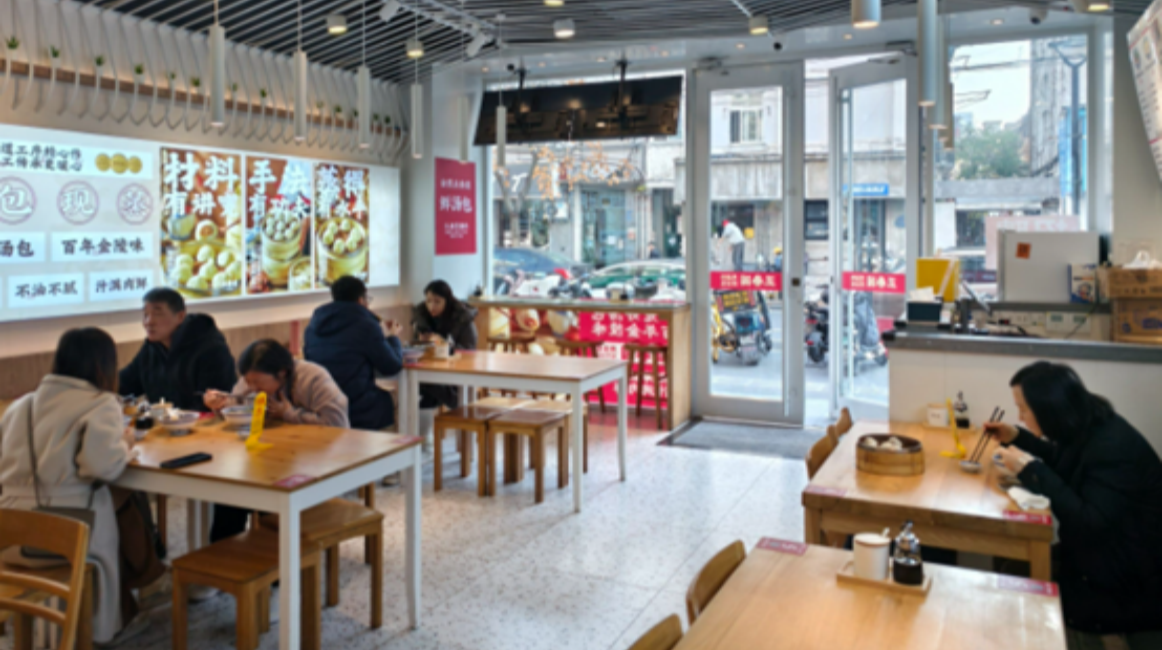
In Nanjing, the taste of Duck Blood Vermicelli Soup is inseparable from the warmth of urban daily life. In the small, unpretentious eateries of the old town, greasy tables, faded price lists, and creaking electric fans are standard fixtures. The landlady can accurately remember regular customers' preferences: "Uncle Wang doesn't want coriander" "Aunt Li wants extra duck liver." Diners sit on low stools or squat by the road, the sound of slurping vermicelli echoing constantly — the most straightforward praise for the delicacy. In morning breakfast shops, it pairs with duck oil sesame cakes; at late-night stalls, it comforts those returning home late; in scenic area restaurants, it greets tourists from all over the world. Regardless of status or destination, this bowl of hot soup brings the most down-to-earth warmth.
V. A Urban Taste Embodied in Homesickness
For Nanjingers, Duck Blood Vermicelli Soup has long transcended being merely a snack, becoming a carrier of homesickness and a symbol of identity. Overseas migrants often crave this bowl of soup as their first meal upon returning home; travelers working away from home find solace in instant versions of Duck Blood Vermicelli Soup to ease their homesickness. It is not exquisite but sincere, not expensive but heartwarming, using the most ordinary ingredients to brew the most enduring memories — memories of the dedication of old ducks, the accumulation of time, and the warmth of daily urban life. Today, it has not only been listed among the Top National Trendy Snacks but also obtained group standards and a collective trademark. This bowl of soup, carrying 600 years of Jinling's stories, is continuing the city's taste memory with a more vibrant posture.

