


For those accustomed to the delicate dim sum of Guangzhou or the fiery stir-fries of Sichuan, the cuisine of Northeast China—a region known simply as Dongbei—offers a different kind of revelation. This is a food born of harsh, frigid winters where temperatures can plummet to minus thirty degrees Celsius. It is a cuisine of generosity, practicality, and profound comfort, and at its soul lies a cooking tradition known in English as Northeastern iron pot stew. More than just a meal, it is a cultural ritual, a social event, and a centuries-old strategy for survival that has evolved into one of China's most beloved communal dining experiences.
To understand Northeastern iron pot stew, one must first picture the landscape of Dongbei. Covering the provinces of Heilongjiang, Jilin, and Liaoning, this is a land of vast, windswept plains and snow-laden forests. The region's culinary identity was forged by the need to stay warm and well-fed through the long winter months. Historians trace the roots of this cooking method back centuries to the nomadic peoples of the region, particularly the Manchu, who founded the last imperial dynasty. As hunter-gatherers and semi-nomadic tribes, they required a cooking technique that was portable, efficient, and capable of transforming tough game and foraged vegetables into a tender, nourishing meal. A single heavy iron pot placed over a fire was the perfect solution, giving birth to the "one-pot meal" tradition that defines Dongbei cooking to this day.
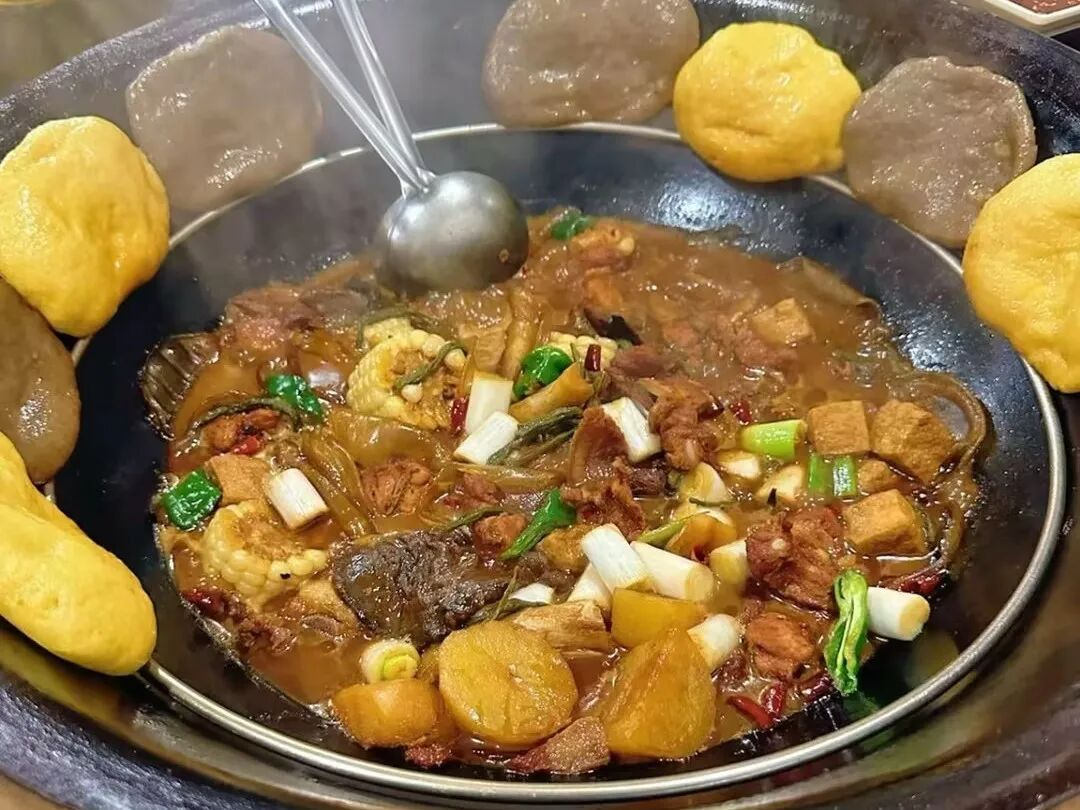
The setup of a Northeastern iron pot stew meal is immediately striking to any first-time observer. In a traditional restaurant, tables are built around a large, recessed stove top, into which a massive, shallow cast-iron wok is fitted. In more rustic settings, particularly in villages, the pot might still sit atop an earthen stove heated by crackling firewood. This is not the refined, divided hot pot of Sichuan or the swift, oil-kissed work of a Cantonese wok; this is rustic, hearty, and unapologetically robust. The pot is the undisputed star of the show, and its significance runs deep. The iron itself is often tied to local craftsmanship, with regions like Zhangqiu in Shandong province famed for their hand-hammered woks, created through thousands of precise strikes to achieve the perfect heat retention and slightly textured surface that improves with age.

When a diner sits down to order, they are handed a menu featuring a selection of main ingredients that will form the base of their stew. The most iconic and cherished choice is goose, a dish so famous it has its own proverb: "The first snowy day is the best time to eat stewed goose." The ideal goose is said to be a free-range bird that has foraged on grass in the summer and fattened on grains after the first snow, ensuring rich, flavorful meat. Another classic option is ribs, which stew until they are fall-off-the-bone tender, or a whole chicken, often paired with wild mushrooms foraged from the slopes of the Changbai Mountains, adding an earthy depth that no cultivated fungus can replicate. For those near the region's vast rivers and lakes, like the stunning alpine Jingpo Lake in Heilongjiang, a freshly caught fish is the only choice. Local fishermen still practice traditional methods, and the catch of the day—whether it be carp or other local species—goes straight from the net to the pot.
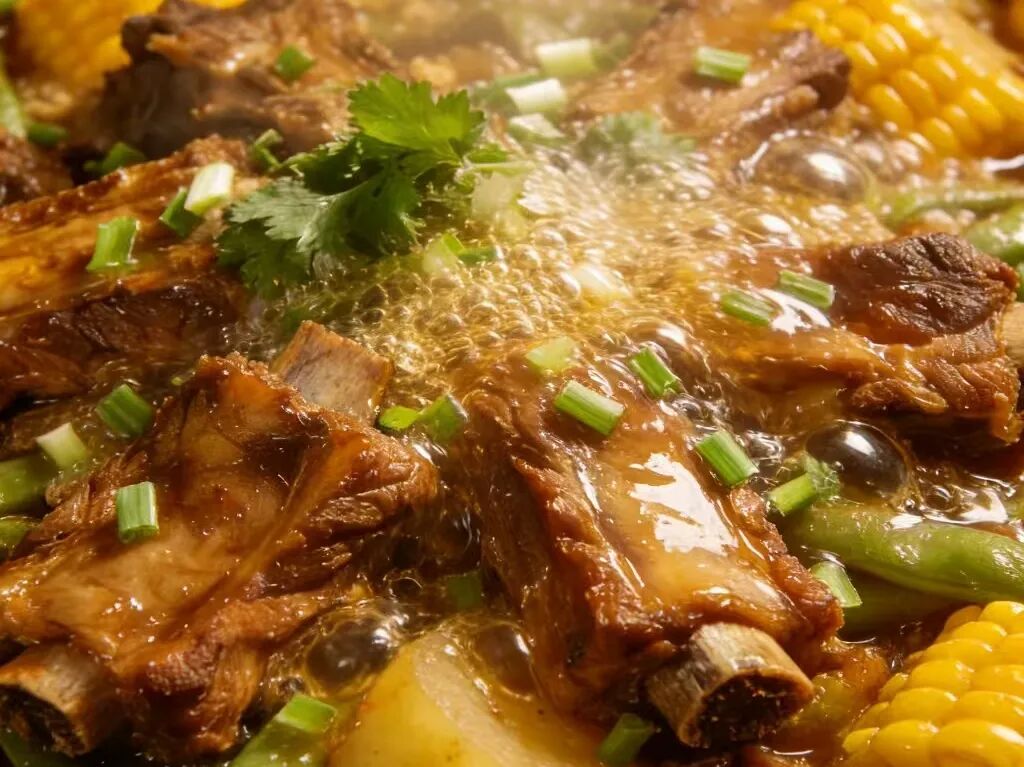
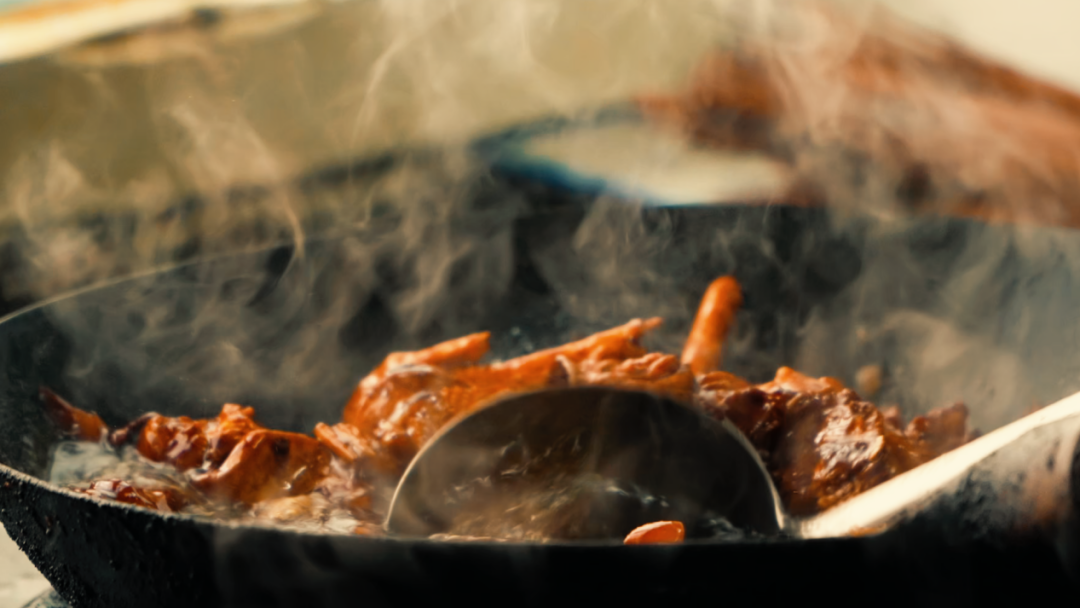
Once the protein is selected, the preparation begins. The raw ingredients are brought to the table, and the cooking process often starts right in front of the guests. A chef or server will first heat oil in the massive iron pot and briefly sear the meat, locking in flavor. Then comes a generous glug of soy sauce, the foundational seasoning of Dongbei cooking, along with ginger, scallions, garlic, and star anise for a subtle licorice note. Water or broth is added, and the pot is left to simmer, allowing the ingredients to meld into a rich, savory broth. Vegetables are piled in generously—chunky potatoes that will soften and absorb the sauce, sweet carrots, and perhaps some tofu or wide vermicelli noodles made from mung bean starch.

But what truly distinguishes Northeastern iron pot stew from other stews is its ingenious inclusion of the meal's carbohydrates. As the meat bubbles away, small, round cornbread cakes—known locally as tieguo tiezi—are expertly slapped onto the inside wall of the hot iron pot, just above the liquid line. There, they bake, developing a crispy, golden-brown crust on the bottom while remaining soft and steamy inside. Alongside them, fluffy white steamed buns, called huajuan, might be arranged to absorb the aromatic steam. This practice is colloquially known as yiguo chu, meaning "a whole meal in one pot." In a modern, playful twist on this tradition, some trendy restaurants in cities like Shanghai have begun shaping these staple foods into adorable plush-toy-like figures, decorating them with cute eyes and mouths, creating a delightful contrast between the rustic stew and whimsical presentation that has taken social media by storm.
As the stew finishes its slow cooking, the table is a picture of anticipation. The heavy iron lid is lifted to reveal a cloud of fragrant steam. The cornbreads are pried off the side of the pot, their bottoms satisfyingly crisp. The broth is dark, glistening, and intensely flavorful from the long simmer. Diners are armed with large spoons and chopsticks, ready to dig into the communal pot. The texture of the goose or pork is meltingly tender, the potatoes have broken down slightly to thicken the broth, and the cabbage, often locally preserved as suan cai (pickled Chinese cabbage), provides a tangy counterpoint to the richness of the meat.
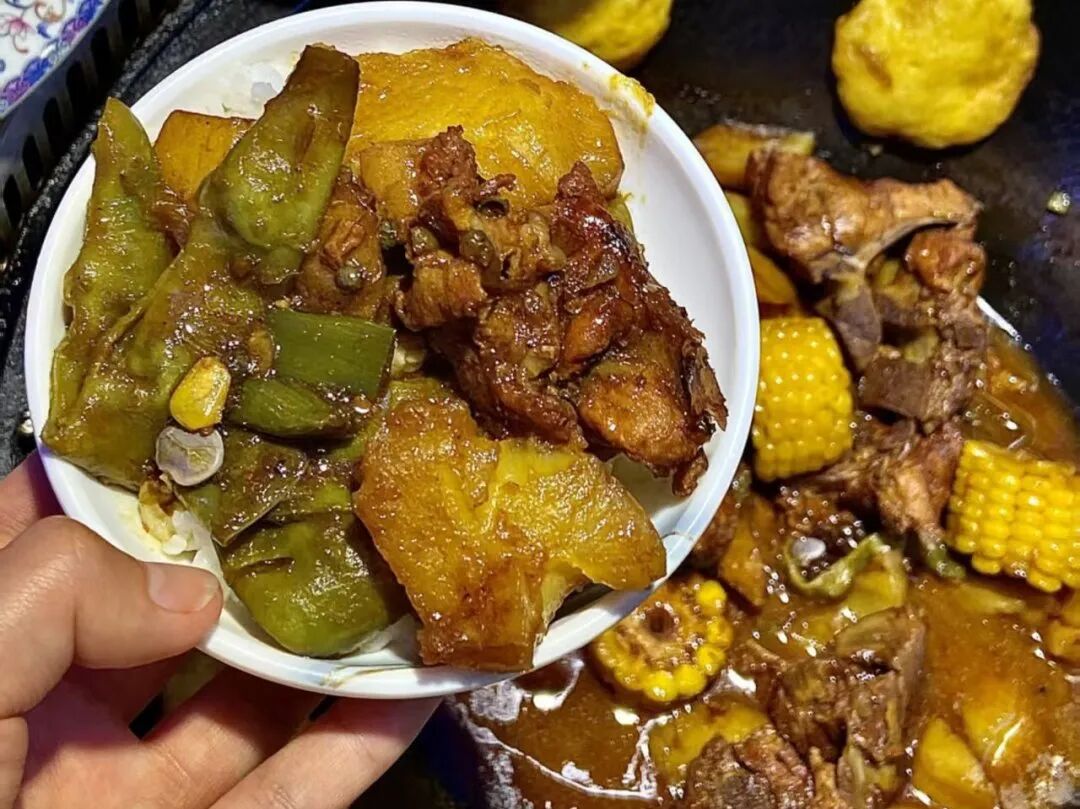
This style of eating is a direct reflection of the Dongbei spirit. The people of this region are famous throughout China for their warmth, hospitality, and straightforward nature. They are often described as "big plate" people, a term that speaks to their generosity and dislike for fussy, meager portions. Sitting around a steaming iron pot, sharing food directly from a common vessel, is the ultimate expression of this. It breaks down barriers and fosters a sense of community. There is no individual plating, no delicate ceremony; it is just a group of people, old friends or new, huddled together against the cold, sharing a meal that warms them from the inside out. A local villager from the Jingpo Lake region perfectly summed up the philosophy: "During the frigid winters of northeast China, it is an incredibly warm feeling for everyone to sit around an iron pot and share the stew together."
The cultural fabric of this dish is also woven with threads from beyond China's borders. The city of Harbin, in particular, acts as a culinary crossroads. Known as the "Ice City" for its spectacular winter ice festival, Harbin's history as a hub on the Trans-Siberian Railway brought a significant Russian influence. This fusion is evident in the local love for smoked, garlicky red sausage (hong chang) and hearty, dark Russian bread, which might sometimes find their way to the table as accompaniments to a stew meal. This blend of Han Chinese, Manchu, and European influences makes Dongbei cuisine a unique and unexpected tapestry of flavors.
In recent years, this once-regional specialty has embarked on a journey far beyond the borders of Dongbei. As domestic tourism booms, particularly to Harbin's winter wonderlands, visitors from the warmer south have returned home with a craving for the hearty stew that kept them warm. This has led to a proliferation of Northeastern iron pot stew restaurants in major metropolises like Beijing and Shanghai. In fact, during the 2024 winter season, search volume for the dish on the Chinese lifestyle platform Meituan skyrocketed by over 970 percent week-on-week, signaling its arrival as a national comfort food phenomenon.
For the uninitiated foreign visitor, approaching a Northeastern iron pot stew meal can be a lesson in cultural immersion. It is a dish that requires time. A proper stew is not fast food; it takes time for the collagen to break down, for the flavors to marry, and for the cornbread to bake. It is a meal that encourages lingering, conversation, and perhaps a glass or two of baijiu, the potent Chinese spirit, to further ward off the chill. It is also a dish of incredible variety. Beyond the famous goose and fish, one might find stews combining beef with potato and vermicelli noodles, or the more rustic "red cooking" style that uses a clever combination of soy sauce and sugar to give the meat a deep, reddish hue.
In the end, Northeastern iron pot stew is more than just a recipe; it is a narrative of a place and its people. It tells the story of resilience in a challenging climate, of the cultural blending that occurs at crossroads, and of a profound belief that the best meals are those shared. The iron pot, blackened by decades of use, is not just a cooking vessel but a family heirloom, a keeper of memories. Each stew is a link to the past, a taste of the present, and a warm embrace against the icy winds of the future. To pull up a stool, grab a piece of cornbread, and dip it into that rich, savory broth is to taste the very heart of Northeast China. It is to understand that true comfort is not found in elegance, but in the simple, profound warmth of a shared meal.

