


In Lanzhou’s food pedigree, beef noodles support the city’s flavor profile with its boldness and unrestrainedness, hand-caught mutton speaks of the magnanimity of the northwest with its richness and richness, while the gray beans hidden in the streets and slowly simmered in clay pots quietly capture the city’s softest thoughts with a touch of warm and sweet aroma. It doesn’t have any stunning ostentation or complicated and elegant ingredients. It’s just hemp-colored peas, red dates and water. After a long period of boiling in a stoneware jar, it becomes the most moving street fireworks on the bank of the Yellow River, and it becomes a nostalgic memory engraved in the bones and blood of the old Lanzhou people.
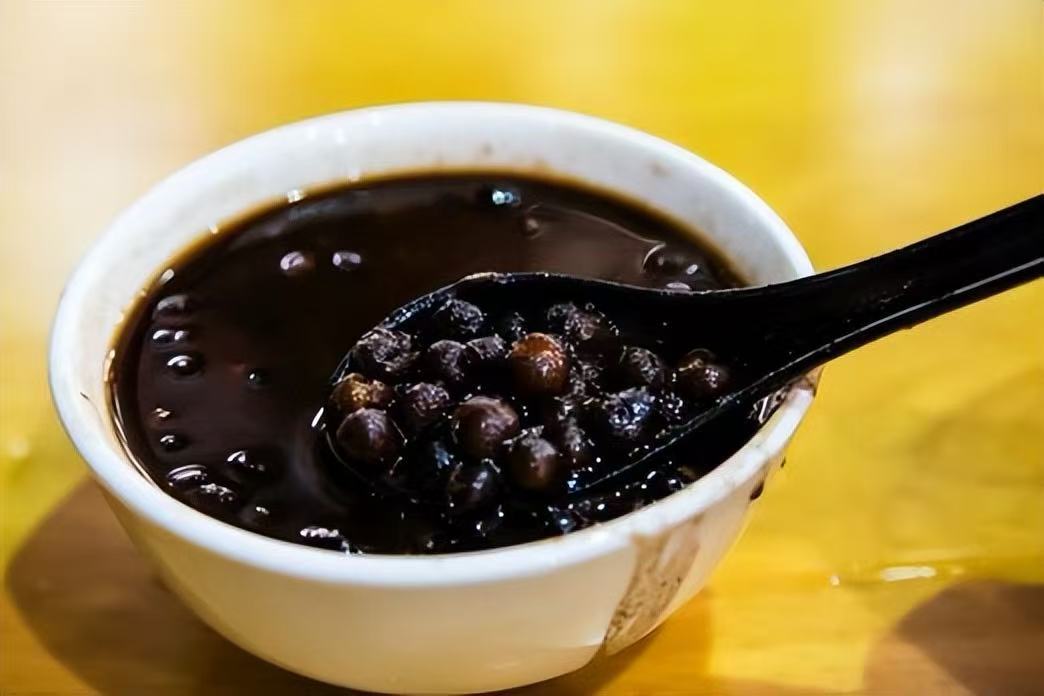
The birth of Gray Beans is a gentle legend belonging to the market. In the old days of Lanzhou, there were no dazzling array of dessert shops or exquisite and fancy Internet celebrity snacks. Only hawkers carrying burdens walking through the streets and alleys could cut through the morning mist and dispel the coldness of the night with a long "grey beans—hot gray beans—". One end of the load is a hot charcoal fire, and the other is a clay pot that has been stewed to a dense and thick consistency. The hot steam from the mouth of the pot, mixed with the fragrance of beans and the sweetness of dates, slowly spreads on the bluestone road. At that time, Lanzhou people, whether children rushing to school in the early morning, pedestrians returning home in the evening, or craftsmen working late at night, could always spend a few cents to grab a bowl of hot gray beans, which would warm their hands, stomach, and heart. It is never a delicacy that is only available in the house, but it is the comfort that is closest to life. Amidst the shouts of people carrying burdens and selling, it slowly takes root in the urban fabric of Jincheng and becomes the childhood taste imprint of one generation after another.
There are no shortcuts to making an authentic bowl of gray beans, it all depends on patience and heat. We use hemp-colored peas grown in the northwest plateau. They have plump grains, firm texture, and a mellow aroma endowed by the land. Soak for several hours in advance to allow the dry and hard beans to absorb water and swell slightly. This is the first step to achieve a dense taste. Then put the soaked peas into a coarse clay pot, add water, add a few red and plump red dates, and simmer over slow fire. The sand pot conducts heat evenly and locks in temperature for a long time, allowing the heat to slowly penetrate into each bean without burning, burning, or slowing down. After boiling over high heat, turn to low heat and simmer. After waiting for several hours, you watch the water gradually thicken, the peas slowly cook until they bloom and turn into sand, the originally clear soup turns into a warm brown color, the sweet aroma of red dates is completely integrated into the bean soup, and the bean aroma neutralizes the sweetness. The two complement each other and are natural.
This process is very similar to the temperament of Northwest people, not ostentatious, not impatient, silently settling, and accumulating. There are no high-tech quick fixes, no fancy additives, just time and patience to bring out the ultimate flavor from ordinary ingredients. Take a bowl out of the pot and put it on a spoon. The soup is thick and there is no residue. The beans melt in your mouth without any graininess, leaving only the mellow bean flavor and sweet jujube flavor in your mouth. The warm soup slides into the throat, and the warmth spreads from the tip of the tongue to the limbs, dispelling the cold and soothing impatience. Every mouthful is a simple healing, and every spoonful is the tenderness of the years.
Today's Lanzhou is full of high-rise buildings, bustling traffic, and endless new delicacies, but gray beans still firmly occupy the dining tables of Lanzhou people. You can always see it in the breakfast shop in the morning and the snack street in the evening. The old Lanzhou people picked up a bowl of gray beans, drank the familiar taste, and thought about the past years; tourists from other places came here to taste the authentic flavor and the heritage of Jincheng. It has long surpassed the meaning of a bowl of sweet soup and has become an irreplaceable symbol in Lanzhou’s food culture. It is the epitome of urban life and the concrete sustenance of nostalgia. The Yellow River keeps flowing and the years pass by, but the gray beans in the sand jar still tell the story of Jincheng in the simplest way. It hides the heaviness and simplicity of the northwest, the fireworks and warmth of old Lanzhou, the delicacy beneath the generosity, and the tranquility amid the hustle and bustle. A bowl of gray beans, the ingredients are cooked slowly, the time is accumulated, and the heart is warmed. Only by personally tasting this bowl of warm and sweet soup can we truly understand Lanzhou, understand the unique character of this city that is both bold and unrestrained, yet gentle and delicate, and understand the longest-lasting happiness and nostalgia hidden in the world of fireworks.

