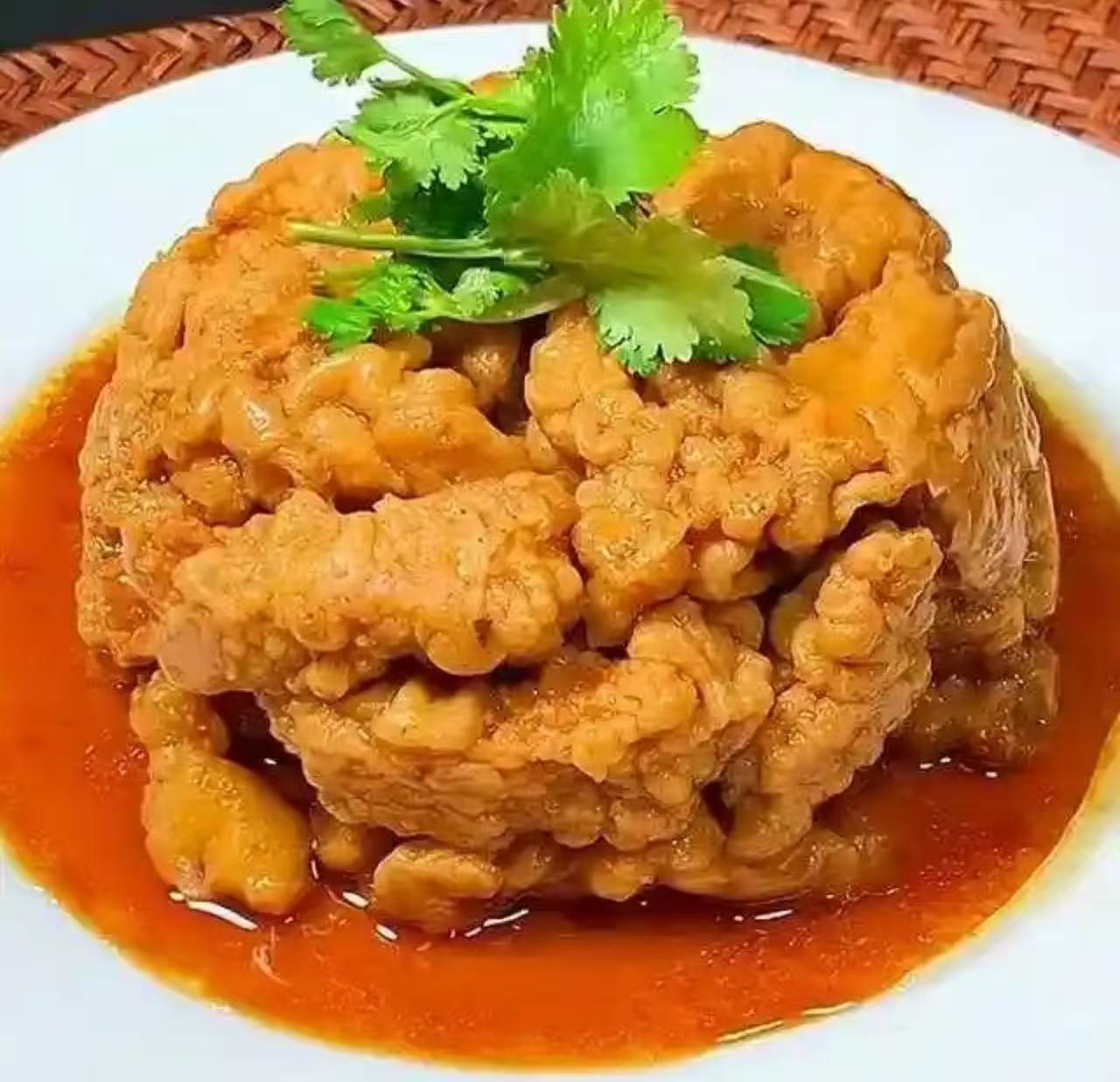


As the morning light glides over the eaves of Wenfeng Pagoda, Anyang's streets awaken to an enticing aroma. The culinary arts of Henan's Anyang blend traditional Yu cuisine with local flavors. This ancient capital, with over three millennia of history, is renowned not only for its oracle bone inscriptions and the Yin Ruins but also for its unique gastronomic culture that draws visitors from across the land. From street-side snacks to grand banquet dishes, every taste in Anyang carries the weight of history and stories.
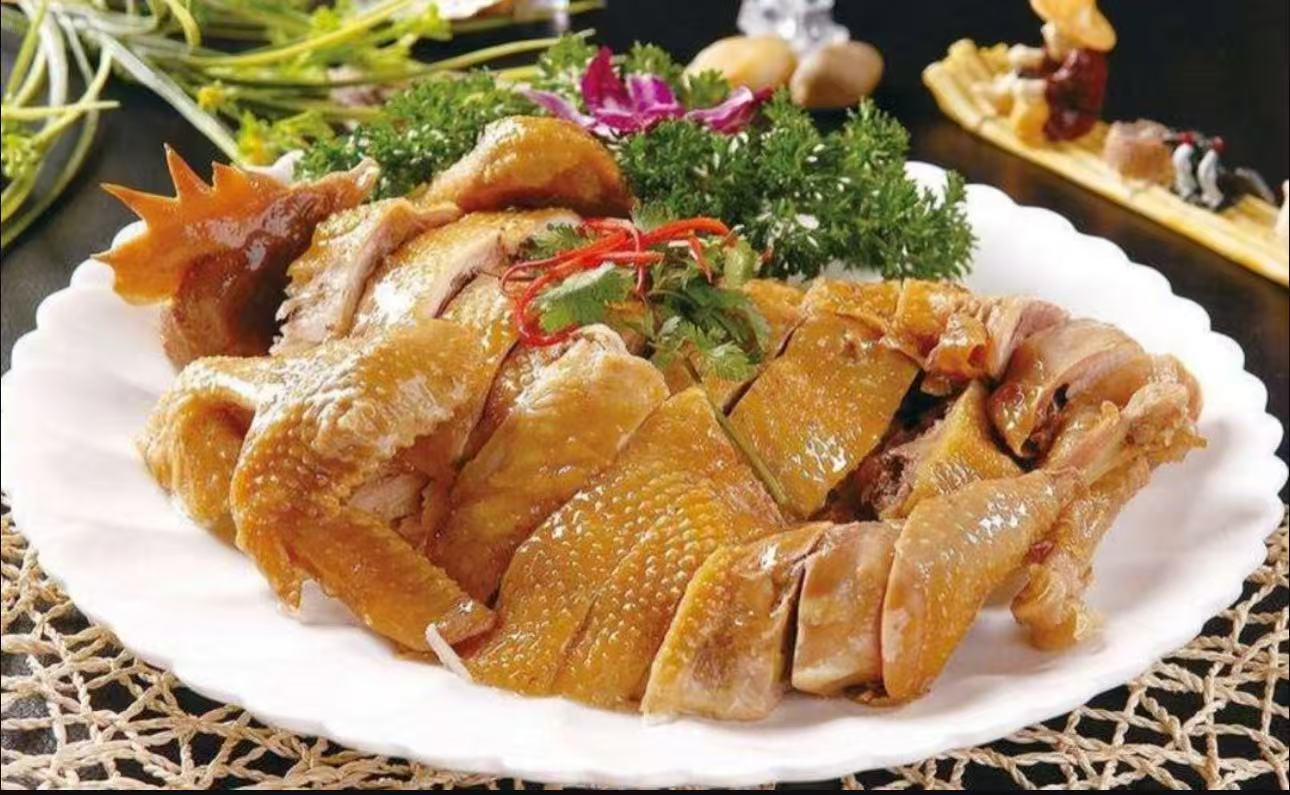
1. Dao Kou Roast Chicken, hailed as the "Number One Chicken in China," originated during the Shunzhi reign of the Qing Dynasty. It features a bright red color, a shape resembling a yuanbao (a traditional Chinese ingot), and is characterized by easily separable bones and meat, tender and succulent texture, and a rich, mellow aroma.
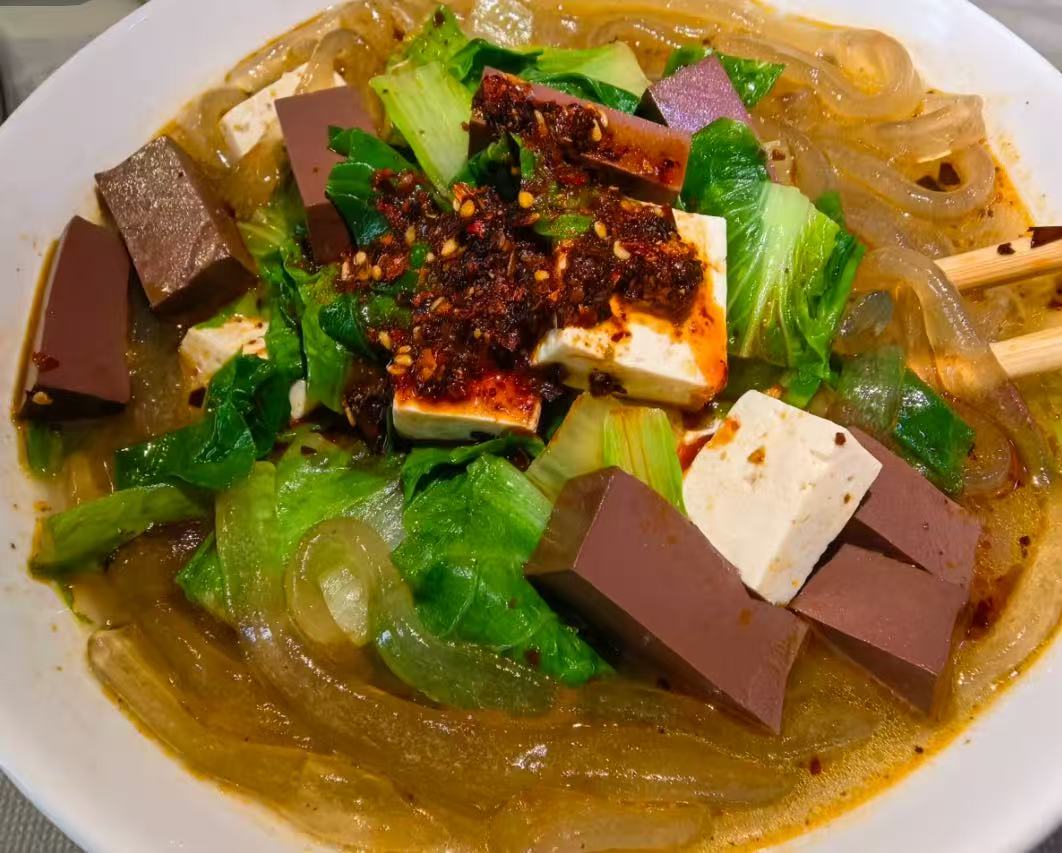
2. Flat Noodle Vegetable Anyang Classic Breakfast, primarily made with wide sweet potato noodles, is served with tofu, pork blood, and green vegetables, simmered in a broth of large bones. The essence lies in the aromatic yet non-pungent chili oil, often paired with fried dough cakes.
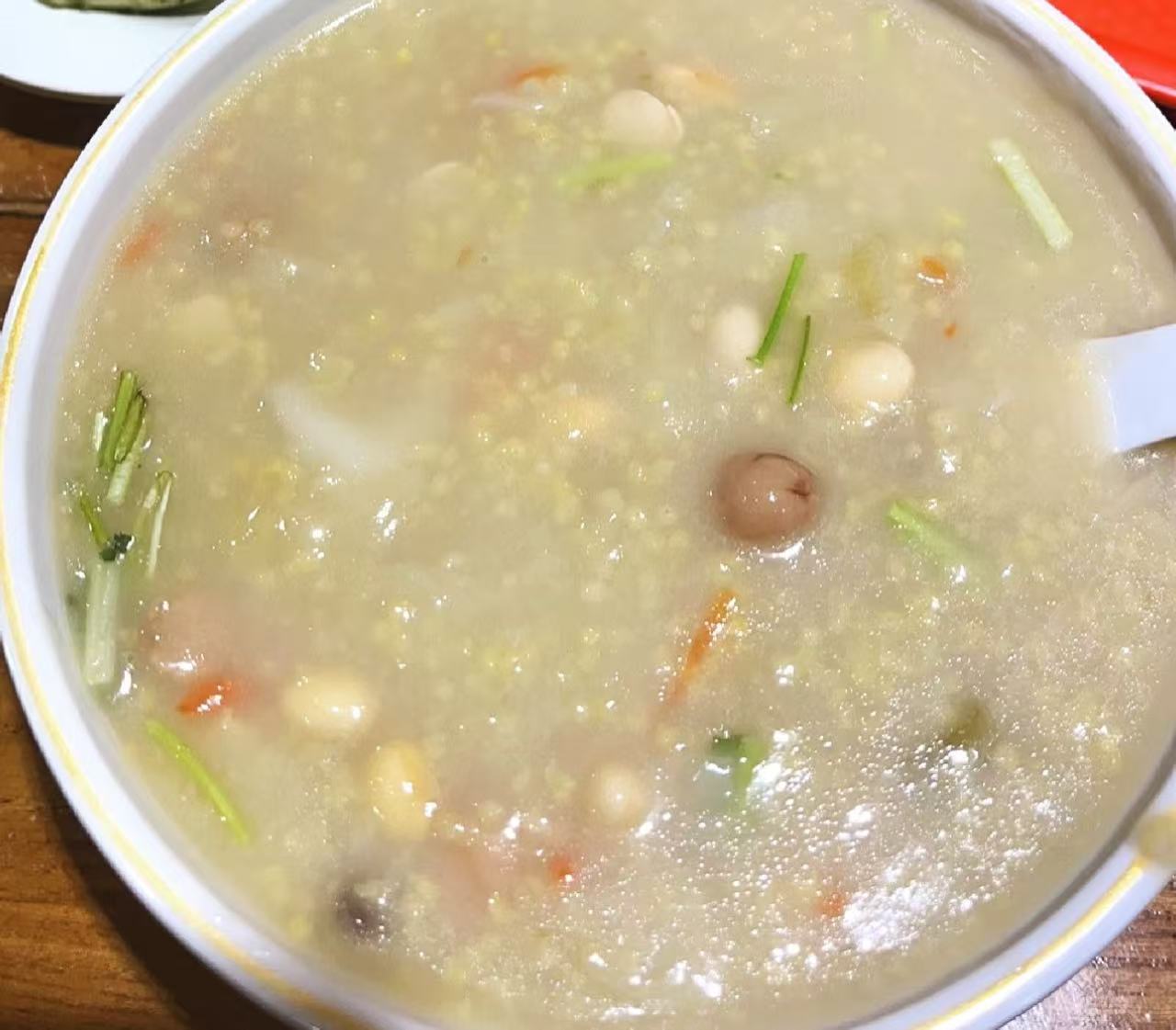
3. Powdered Slurry Rice, one of the "Three Treasures" of Anyang. It is prepared by fermenting green soy milk and then adding millet, peanuts, soybeans, etc., for simmering. The dish has a sour and fragrant taste, which is appetizing and heat-clearing.
4. Laomiao Beef originates from Laoyemiao Township in Huaxian County, with a history of over 300 years. It is prepared using fifteen types of seasonings and aged broth, cooked over charcoal fire, resulting in a rich and authentic aroma. It is hailed as the "Flower of Northern Henan and a Unique Delicacy of China."
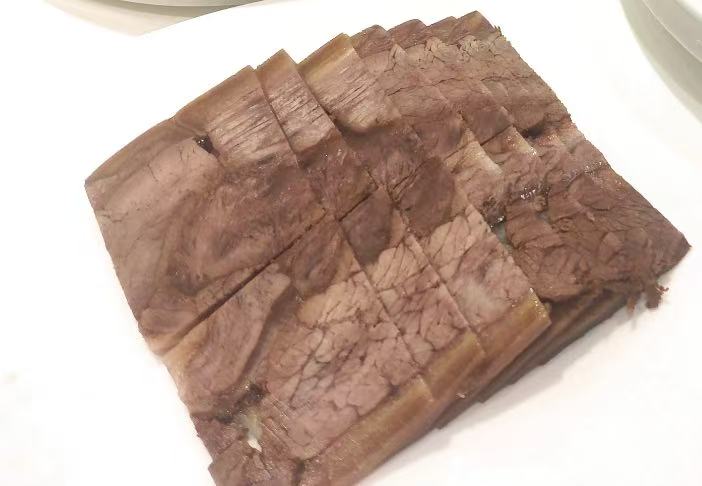
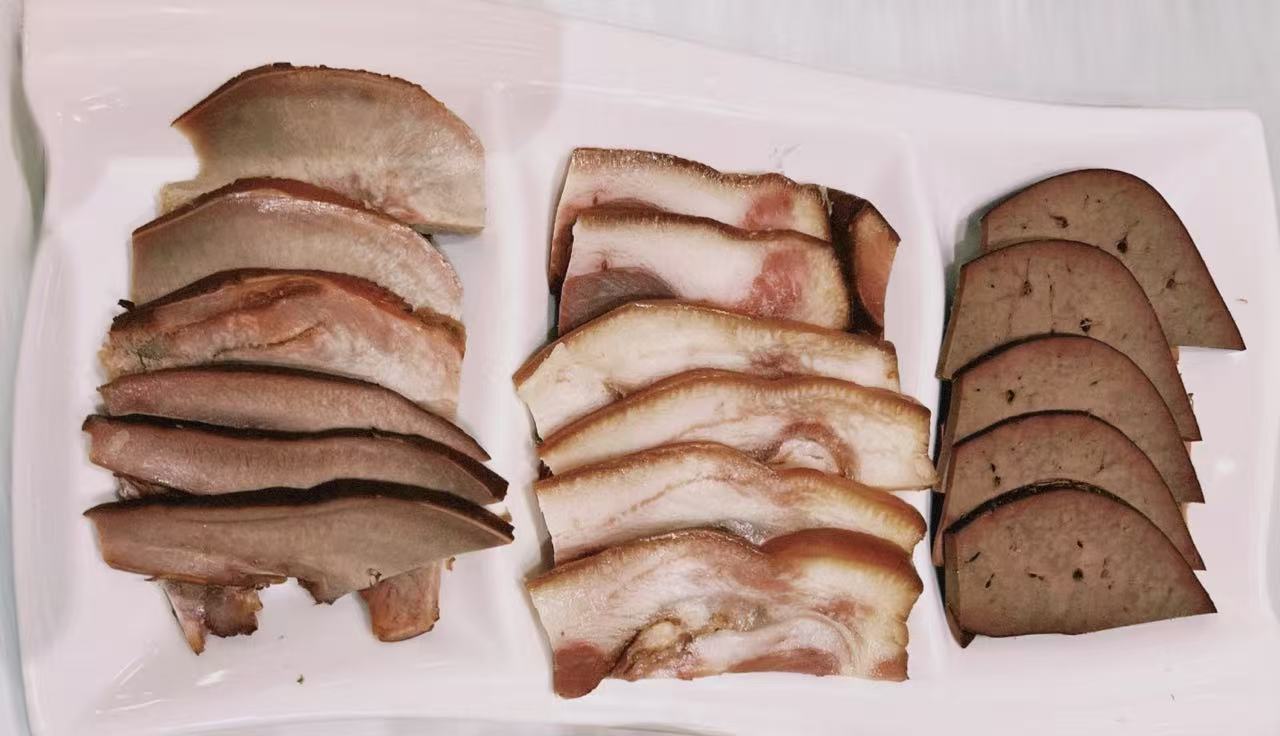
5. Anyang Sanxun (Three Smoked Dishes) includes smoked chicken, smoked eggs, and smoked pork head. After being braised, the ingredients are smoked and roasted with materials such as cypress branches. The finished product exhibits a rosy color, a rich smoky aroma, and is fatty yet not greasy.
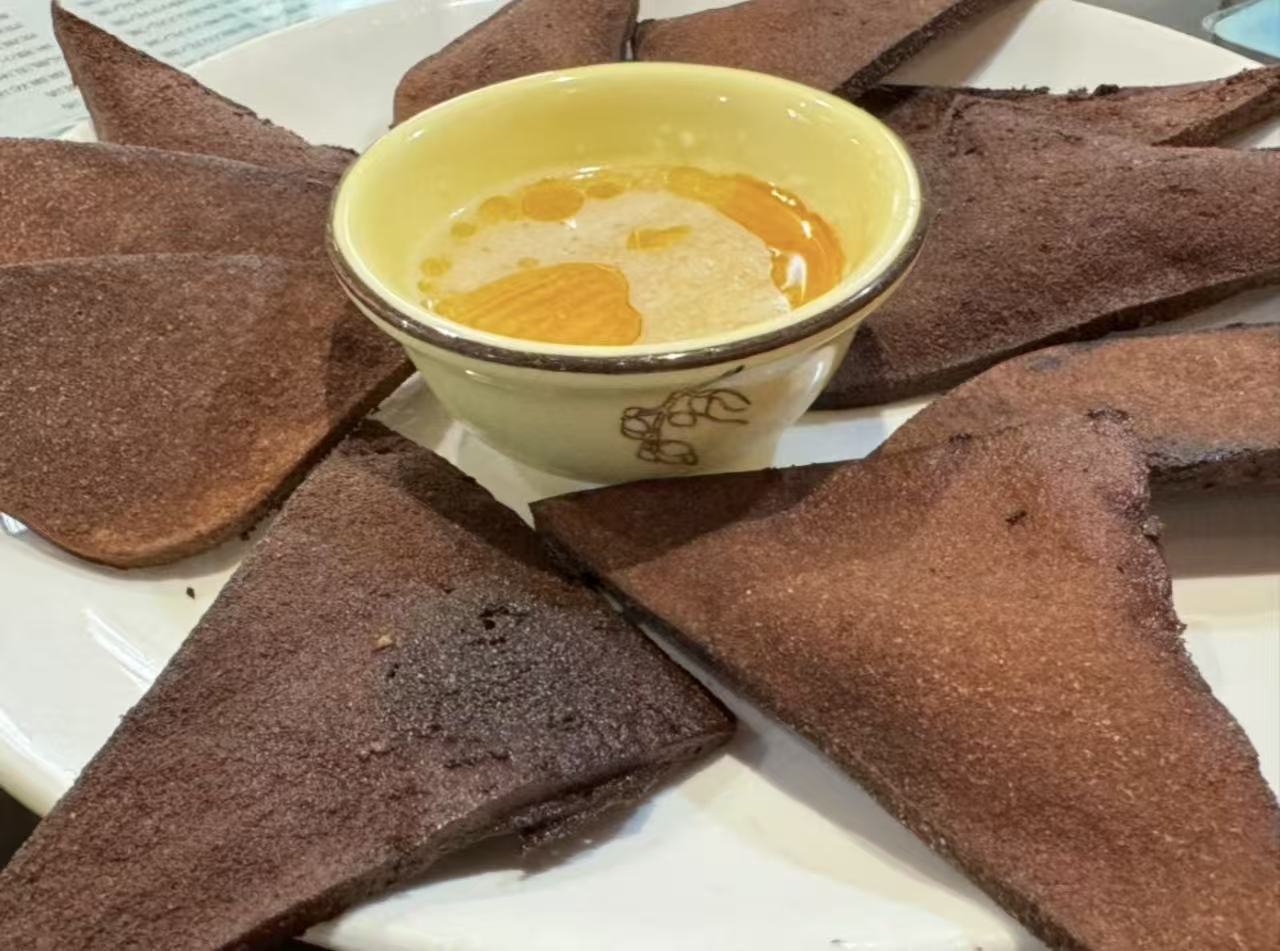
6. Blood Cake, a traditional Anyang snack, is made by steaming buckwheat noodles with pig blood and then frying them. The outer layer is crispy, while the inner part is soft and glutinous. It is commonly served with garlic sauce and is one of the "Three Treasures of Anyang".
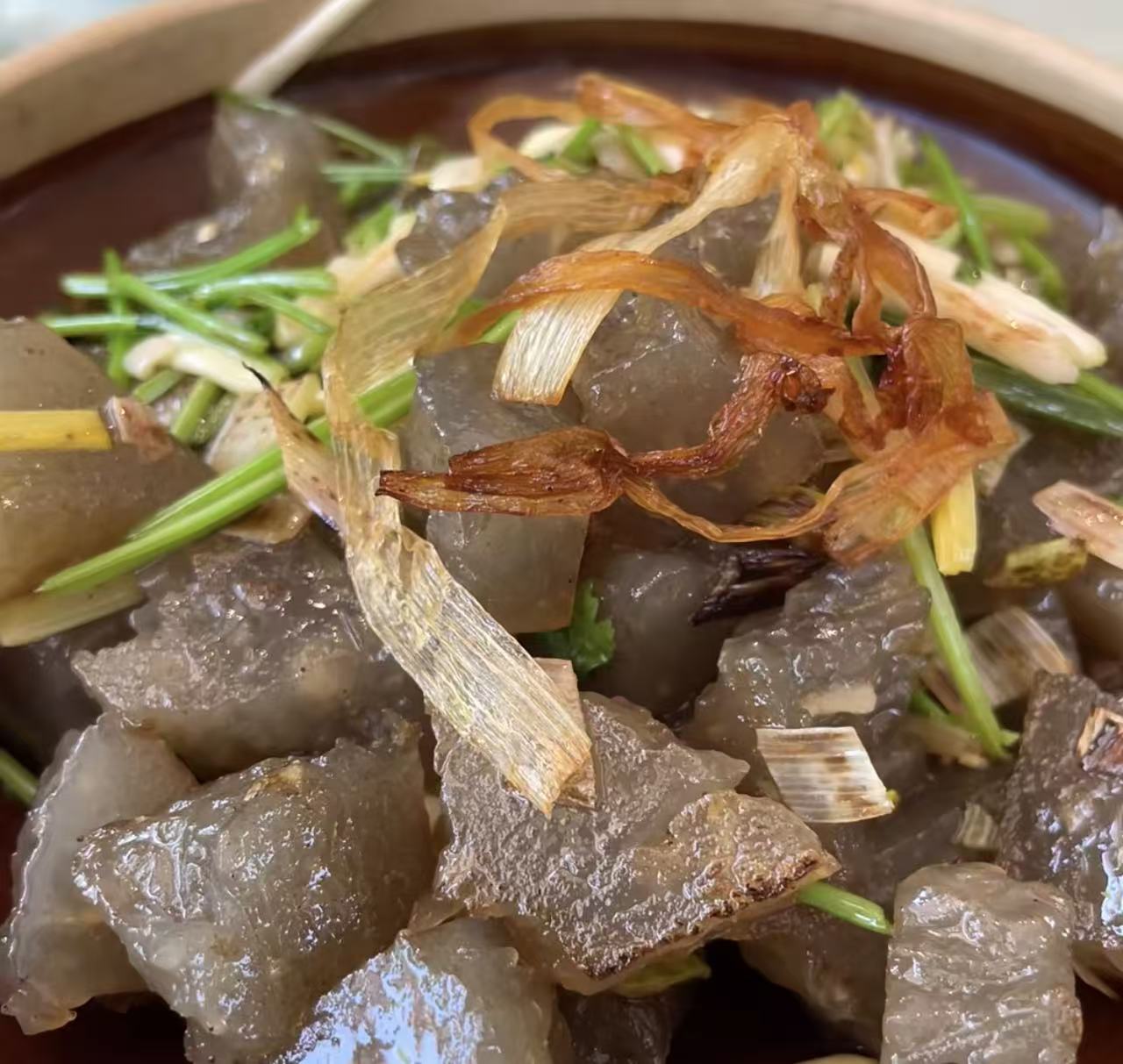
7. Skin residue, one of the "Three Treasures" of Anyang, is primarily made by steaming noodles with starch. It can be pan-fried, stir-fried, or stewed, resulting in a crispy exterior and tender interior. Often served with garlic sauce, it is a common ingredient in braised dishes.
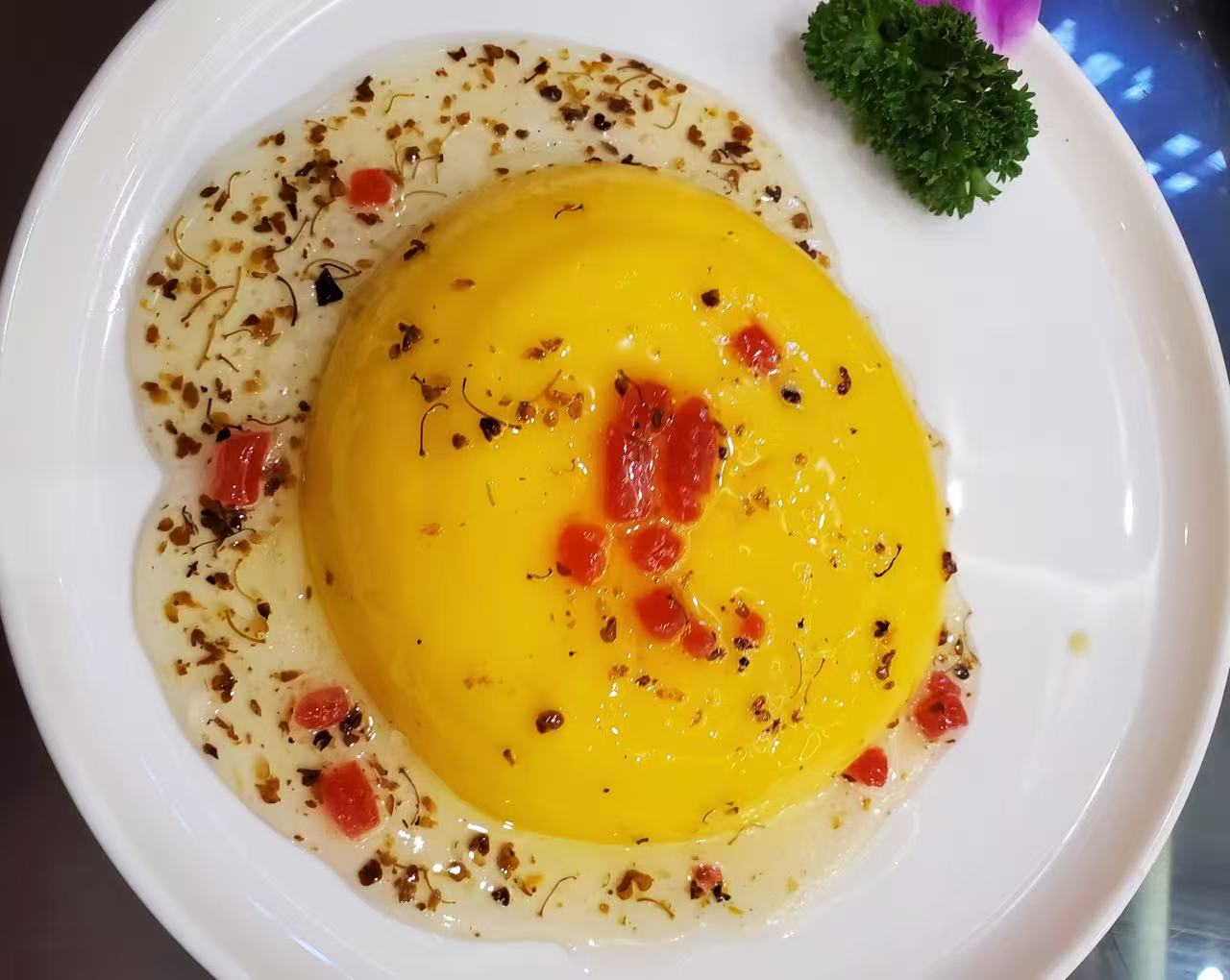
8. San Bu Zhan (Stir-Fried San Bu Zhan), a traditional renowned dish, is stir-fried with egg yolk, white sugar, and lard. It is named for its characteristic "not sticking to the plate, not sticking to the chopsticks, and not sticking to the teeth." The dish has a golden color and a soft, fragrant, and oily texture.
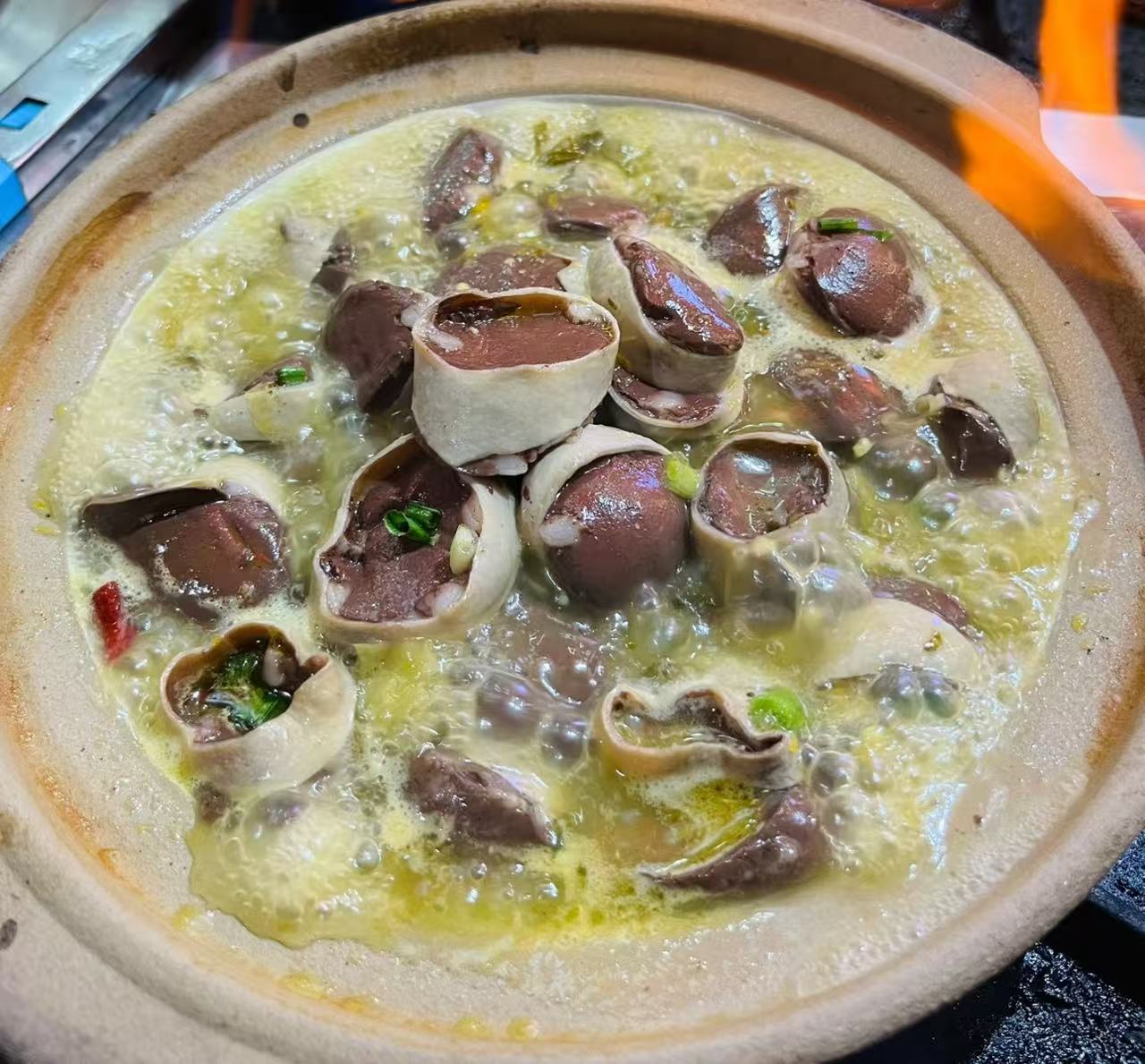
9. Neihuang Intestine Packing: A specialty of Neihuang County, made by filling pig blood, flour, and other ingredients into an intestinal casing. It can be served cold or fried, offering a tender texture or a crispy exterior with a soft interior. This dish is recognized as part of Anyang City's Intangible Cultural Heritage.
10. Kowen Su Rou (Stir-Fried Pork with Crispy Buns), a traditional Anyang banquet dish. The meat slices, coated with starch and fried to crispness, are then steamed with a savory sauce. The result is a dish that is fragrant, crispy, tender, and rich yet not greasy.